
What Happened: The Core Developments
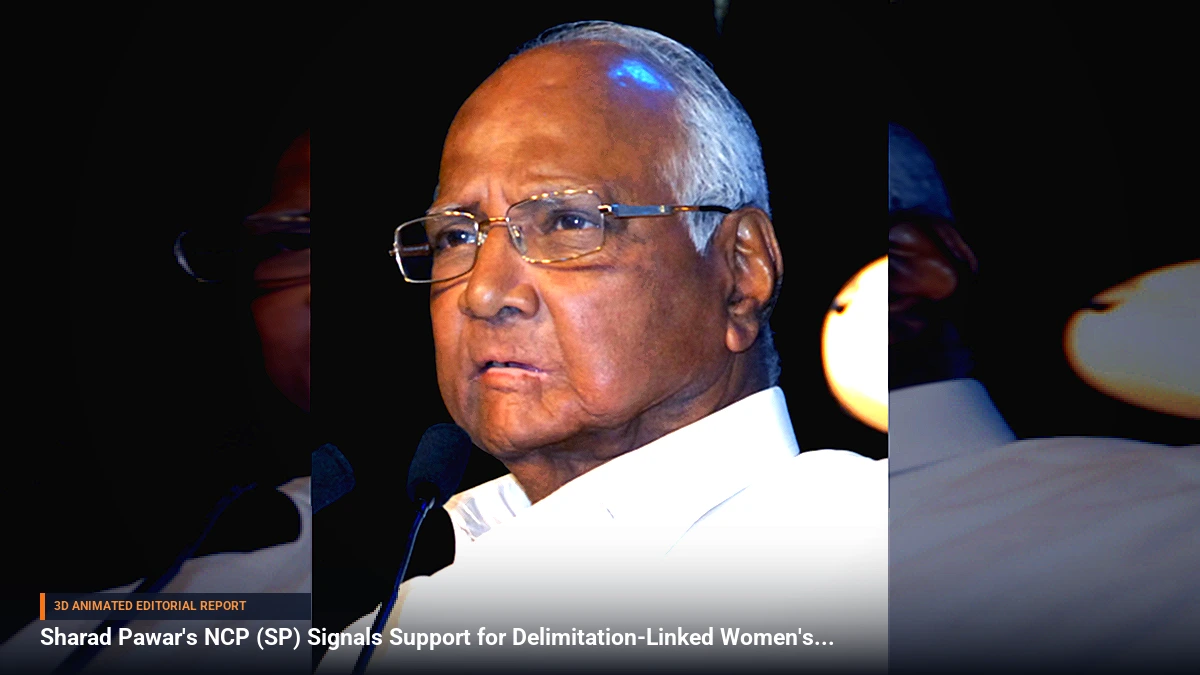
The political landscape within the opposition camp witnessed a notable tremor after the Nationalist Congress Party-Sharad Pawar (NCP-SP) publicly declared its support for the upcoming delimitation of Lok Sabha constituencies. The policy move, which deals with the redrawing of electoral district boundaries based on demographic and legislative frameworks, immediately triggered friction among key coalition partners.
While the NCP-SP chose to back the initiative, its primary alliance partner, the Indian National Congress, openly criticized the decision. Congress leaders termed the move "unfortunate," reflecting deep-seated anxieties over how constituency redrawing might disproportionately impact regional representation and political equations. Recognizing the potential for a broader coalition fallout, NCP-SP chief Sharad Pawar swiftly initiated contact with Congress leadership to explain his party's rationale and navigate the immediate political fallout.
Background & Key Context
Delimitation exercises have historically been a sensitive touchpoint in Indian politics, often entailing complex debates over federalism, population control, and regional representation. The freezing of Lok Sabha seat allocations has long been tied to ensuring that states achieving successful population stabilization are not politically penalized.
However, recent legislative proposals surrounding delimitation—including capped assembly seats and rotational reserved seats—have reignited intense national discourse. Within opposition coalitions like the Maha Vikas Aghadi (MVA) or broader national fronts, maintaining a unified narrative against ruling policies is critical. When individual constituents break ranks on foundational structural reforms such as delimitation, it exposes vulnerabilities and divergent regional priorities within the alliance.
Key Takeaways
- Alliance Divergence: NCP-SP broke ranks with Congress by announcing its support for the Lok Sabha constituency delimitation process.
- Public Discontent: Congress openly labeled the NCP-SP's policy stance as "unfortunate," highlighting internal ideological and strategic friction.
- Crisis Management: Veteran leader Sharad Pawar personally dialed Congress leadership to clarify his party's positioning and mitigate coalition damage.
- Structural Sensitivity: The delimitation debate touches upon delicate issues of federal balance, regional representation, and demographic weighting in Indian democracy.
Impact, Analysis & Global/National Reactions
The public disagreement underscores the intrinsic challenges of managing diverse coalition politics, where national opposition strategies often collide with regional party imperatives. Analysts note that while tactical disagreements are common, public rebukes from major partners like Congress signal a lack of synchronized messaging on major institutional reforms.
Political observers point out that the NCP-SP's support may stem from localized political calculations or a desire to engage constructively with structural legislative changes. Conversely, Congress remains wary of any process perceived to alter the existing political balance disadvantageously. The swift intervention by Sharad Pawar indicates an urgent desire to preserve unity, yet the episode highlights how complex policy matters can strain alliance cohesion.
What's Next: Looking Ahead
As the debate surrounding the delimitation bill progresses, all eyes will be on how opposition parties coordinate their stance in legislative forums. Stakeholders and political analysts will monitor whether the behind-the-scenes outreach by Sharad Pawar successfully harmonizes the MVA's approach or if further policy divergences will emerge. Future parliamentary sessions and coalition meetings will serve as a crucial test for whether opposition unity can weather structural policy disagreements.

Be the first to comment
Start a useful conversation around this story.