
What Happened: The Core Developments
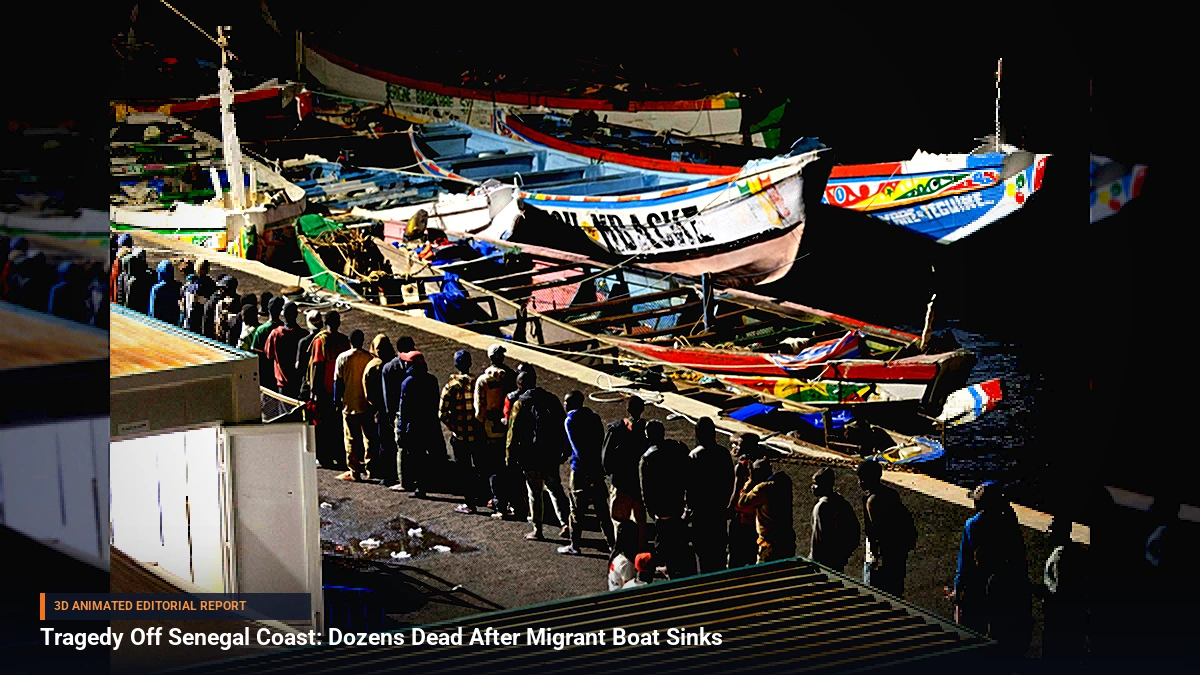
A small migrant vessel has capsized off the northwestern coast of Senegal, resulting in a significant loss of life and triggering massive emergency response operations. According to updates provided by the Senegalese Interior Ministry, rescue teams managed to pull at least one survivor from the turbulent waters shortly after the incident occurred.
Search and rescue missions remain active in the area, with naval patrols and local maritime authorities combing the region for additional survivors or bodies. However, early reporting has revealed a discrepancy in casualty statistics, with initial estimates citing at least 21 fatalities, while other updates place the death toll at 34 or higher. These evolving figures underscore the inherent difficulties in confirming passenger manifests and tallying victims in maritime accidents involving undocumented watercraft.
Background & Key Context
The Atlantic migration route from West Africa toward the Canary Islands and mainland Europe is widely recognized as one of the most perilous maritime journeys in the world. Despite heightened border patrols and awareness campaigns regarding the dangers of unauthorized sea crossings, desperate economic conditions, lack of local employment opportunities, and political instability continue to drive individuals to risk their lives on overcrowded and unseaworthy vessels.
Senegal has increasingly become a major transit and departure hub for migrants attempting this treacherous oceanic route. Local authorities, alongside international partners, have repeatedly pledged to crack down on human trafficking rings and unauthorized departures, yet smugglers continually adapt by utilizing remote departure points along the sprawling coastline.
Key Takeaways
- Fatal Sinking: A small migrant boat capsized off Senegal's northwestern coast, leading to a high number of casualties.
- Rescue Operations: The Senegalese Interior Ministry confirmed that at least one person has been rescued while active search operations continue.
- Casualty Discrepancies: Early reports show conflicting death tolls, varying between at least 21 and at least 34 fatalities.
- Dangerous Route: The incident highlights the persistent hazards of the West African maritime migration corridor toward Europe.
- Missing Data: Exact passenger capacities, precise geographical coordinates, and intended final destinations remain unverified due to the unregulated nature of the voyage.
Impact, Analysis & Global/National Reactions
This latest tragedy places renewed pressure on the Senegalese government and regional bodies to address the root causes of irregular migration. Human rights advocates argue that punitive border enforcement alone is insufficient, calling instead for expanded legal pathways, enhanced local economic development, and robust search-and-rescue infrastructure dedicated to West African coastal waters.
International migration watchdogs have expressed profound concern over the escalating frequency of fatal sinkings along the Atlantic route. Stakeholders emphasize that without comprehensive cooperation between West African nations and European Union states to dismantle smuggling networks and provide economic alternatives, vulnerable populations will continue to turn to perilous sea crossings.
What's Next: Looking Ahead
As ongoing search operations wind down, local authorities are expected to release finalized casualty figures and conduct forensic identifications for the victims. Investigators will likely intensify efforts to trace the organizers and operators responsible for facilitating the illegal voyage.
Meanwhile, regional policymakers face mounting scrutiny regarding the efficacy of current maritime security pacts. Future diplomatic discussions are expected to focus heavily on bolstering coastal surveillance, sharing intelligence on human trafficking syndicates, and addressing the socio-economic drivers that compel individuals to embark on these fatal journeys.



Be the first to comment
Start a useful conversation around this story.