
What Happened: The Core Developments
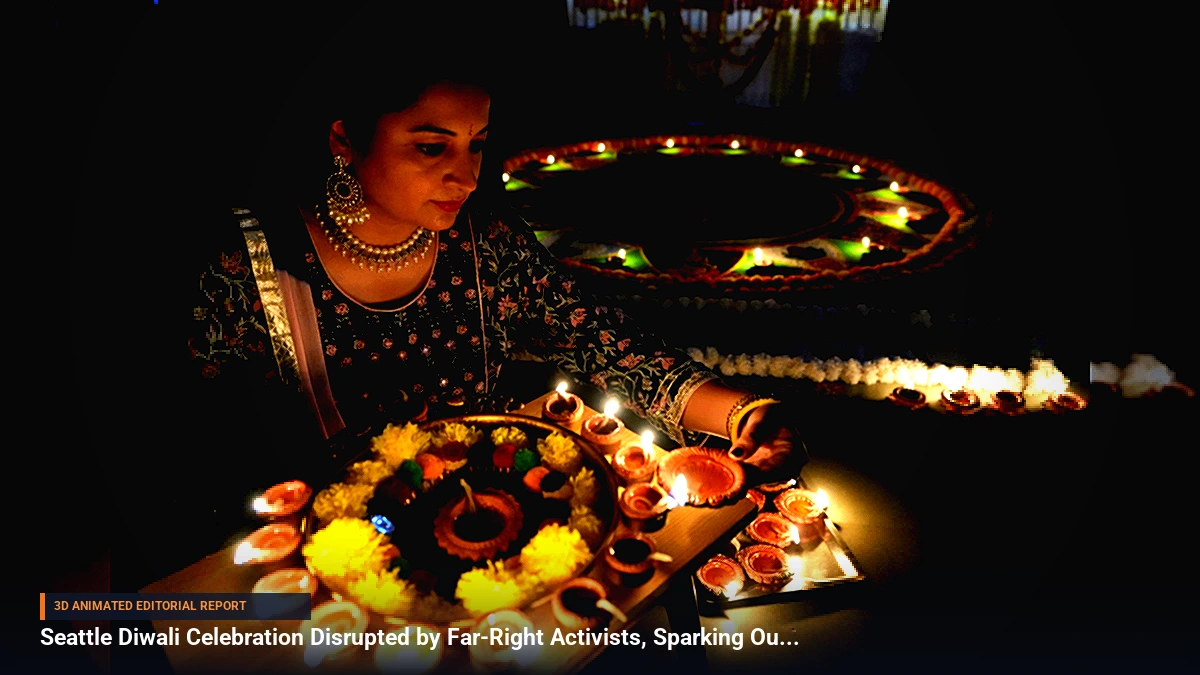
A public celebration of Diwali, the festival of lights, in Seattle was abruptly disrupted by conservative and far-right activists who targeted attendees with aggressive rhetoric. According to verified reports, the agitators deployed anti-Hindu slurs, including derogatory terms, and brandished signage that explicitly demanded deportations. The incident transformed what was meant to be a joyous, inclusive cultural gathering into a scene of hostility and intimidation.
Eyewitness accounts and video footage circulated widely across media platforms, revealing the tense confrontation. The demonstrators confronted participants openly, creating an atmosphere of fear and distress among families and community members gathered to mark one of the most significant celebrations in the Hindu calendar.
Background & Key Context
Diwali is celebrated globally by millions of Hindus, Jains, Sikhs, and Buddhists, serving as a vital anchor for cultural identity and community cohesion within the South Asian diaspora. In recent years, major Western urban centers like Seattle have increasingly embraced these multicultural events, hosting public gatherings that highlight diversity and cross-cultural exchange.
However, this growing visibility has also coincided with a troubling rise in localized xenophobic and far-right disruptions. Cultural and religious festivals organized by diaspora communities are increasingly becoming flashpoints for extremist groups seeking to amplify anti-immigrant narratives and nationalist rhetoric in public spaces.
Key Takeaways
- Direct Targeting: Far-right activists stormed a public Diwali celebration in Seattle, interrupting cultural proceedings.
- Xenophobic Slurs: Perpetrators utilized derogatory anti-Hindu language and signs demanding the deportation of community members.
- Immediate Condemnation: Indian-origin lawmakers and public figures swiftly denounced the disruption, labeling it unacceptable and bigoted.
- Growing Vulnerability: The incident underscores an alarming trend of cultural and religious diaspora festivals facing targeted harassment in Western cities.
Impact, Analysis & Global/National Reactions
The disruption sent shockwaves through the South Asian diaspora in North America and drew rapid condemnation from prominent political figures. Indian-origin lawmakers and US public officials expressed profound disgust over the episode, emphasizing that hate speech and bigotry have no place in multicultural societies.
Analysts note that such incidents reflect a broader, worrying normalization of nationalist hostility aimed at immigrant and minority communities. By targeting religious festivals, fringe groups seek to undermine the sense of safety and belonging that diaspora populations have built over decades in Western urban hubs.
What's Next: Looking Ahead
Civil rights organizations and community advocacy groups are calling for heightened security measures, stronger local government protections, and proactive community policing around upcoming cultural events. Stakeholders are pressing municipal leaders in Seattle and other major metropolitan areas to take a zero-tolerance stance against hate speech and targeted intimidation to ensure that public spaces remain safe for all communities.

Be the first to comment
Start a useful conversation around this story.