
What Happened: The Core Developments
The Indian entertainment industry is currently presenting a striking duality, dominated on one hand by unprecedented financial blockbusters and on the other by stark systemic vulnerabilities. The high-budget epic feature 'Ramayana: Part 1', starring Ranbir Kapoor, Yash, and Sai Pallavi, has officially crossed the Rs 1,300 to Rs 1,400 crore mark globally by its second week of release.
Demonstrating exceptional theatrical stamina, the film sustained massive momentum through its second weekend, adding substantial daily figures well into its second week. Analysts note that these numbers place the mythological spectacle well ahead of the lifetime hauls of several prominent contemporary blockbusters, including previous heavyweights like 'RRR' and 'Dhurandhar'.
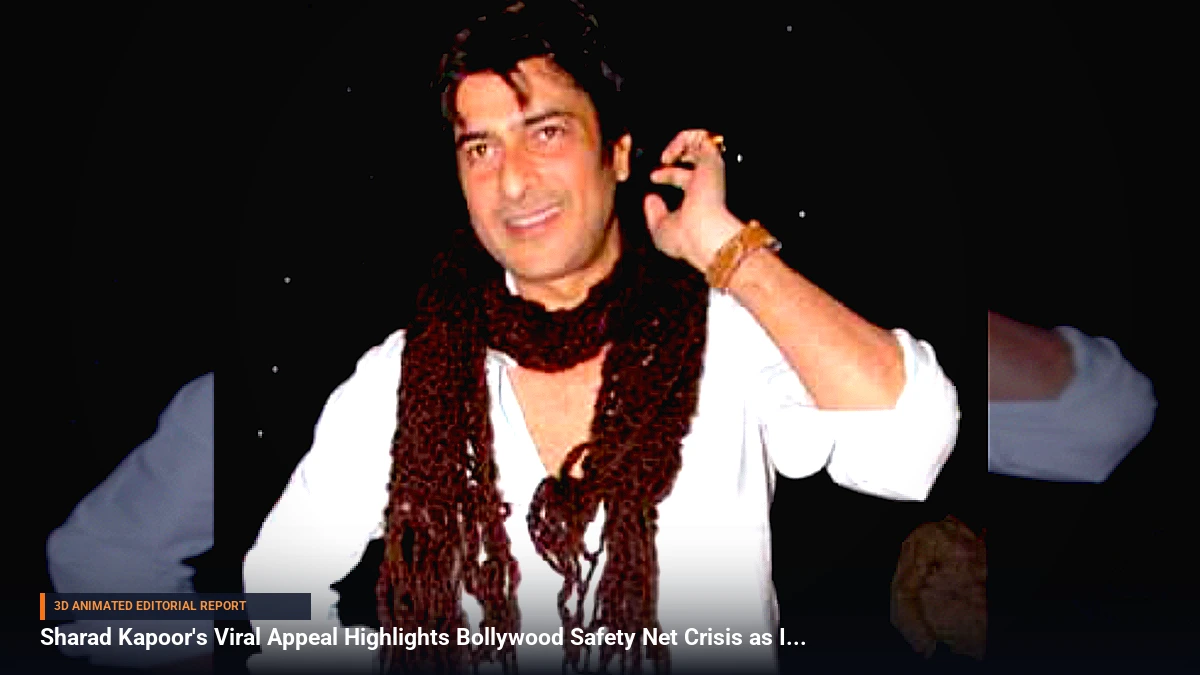
Conversely, a parallel narrative has gripped industry headlines regarding artist welfare. Renowned Bollywood and regional actor Sharad Kapoor recently issued a public appeal for work and financial support following a debilitating leg injury that severely restricted his mobility. In response to the appeal, actor Sonu Sood stepped forward to meet and extend personal support to Kapoor, drawing widespread appreciation from industry bodies such as the All Indian Cine Workers Association (AICWA).
Background & Key Context
The astronomical success of 'Ramayana: Part 1' reflects a broader trend of big-budget, VFX-heavy cinematic events capturing post-pandemic theatrical audiences at an unprecedented scale. Backed by star-studded casting across India’s regional film industries—bringing together Bollywood and Southern cinematic powerhouses—the production set out with massive financial backing and elevated expectations.
At the same time, the plight of veteran artists like Sharad Kapoor sheds light on the historic lack of robust social safety nets within the Indian film ecosystem. Unlike organized corporate sectors, independent artists often face severe economic vulnerability during periods of injury, illness, or professional hiatus, relying heavily on informal networks of peer support rather than institutional mechanisms.
Key Takeaways
- Global Box Office Milestone: 'Ramayana: Part 1' has surged past the Rs 1,400 crore mark globally within its first two weeks.
- Surpassing Giants: The film's theatrical gross has officially eclipsed the lifetime earnings of major hits like 'RRR' and 'Dhurandhar'.
- Sustained Momentum: Strong second-weekend and weekday collections underscore the deep audience appetite for large-scale mythological and action dramas.
- Industry Duality: While multi-crore blockbusters dominate trade news, individual artists continue to face acute financial and career instability.
- Peer Solidarity: Actor Sonu Sood's intervention to support Sharad Kapoor highlights the vital role of individual philanthropy in the absence of structured industry welfare.
Impact, Analysis & Global/National Reactions
The commercial triumph of 'Ramayana: Part 1' reaffirms the immense pulling power of pan-Indian cinematic collaborations. Trade experts emphasize that the film's success signals a permanent shift toward tentpole projects capable of generating high footfall across diverse domestic and international territories.
However, cultural critics and industry associations point out that the stark contrast between record-breaking collections and individual artist distress demands a serious reassessment of industry-wide welfare policies. The AICWA publicly lauded individuals like Salman Khan and Sonu Sood for stepping in, stating that "real stars stand beside their own people in their time of need," while simultaneously urging major production houses and guilds to institutionalize medical and financial safety nets for aging or injured crew and cast members.
What's Next: Looking Ahead
As 'Ramayana: Part 1' inches closer to the Rs 1,500 crore milestone, trade analysts will closely monitor its ability to sustain screens against upcoming multi-language releases. Meanwhile, industry stakeholders face mounting pressure to translate box office prosperity into sustainable welfare frameworks that protect veteran artists from sudden economic precarity.


Be the first to comment
Start a useful conversation around this story.