
What Happened: The Core Developments
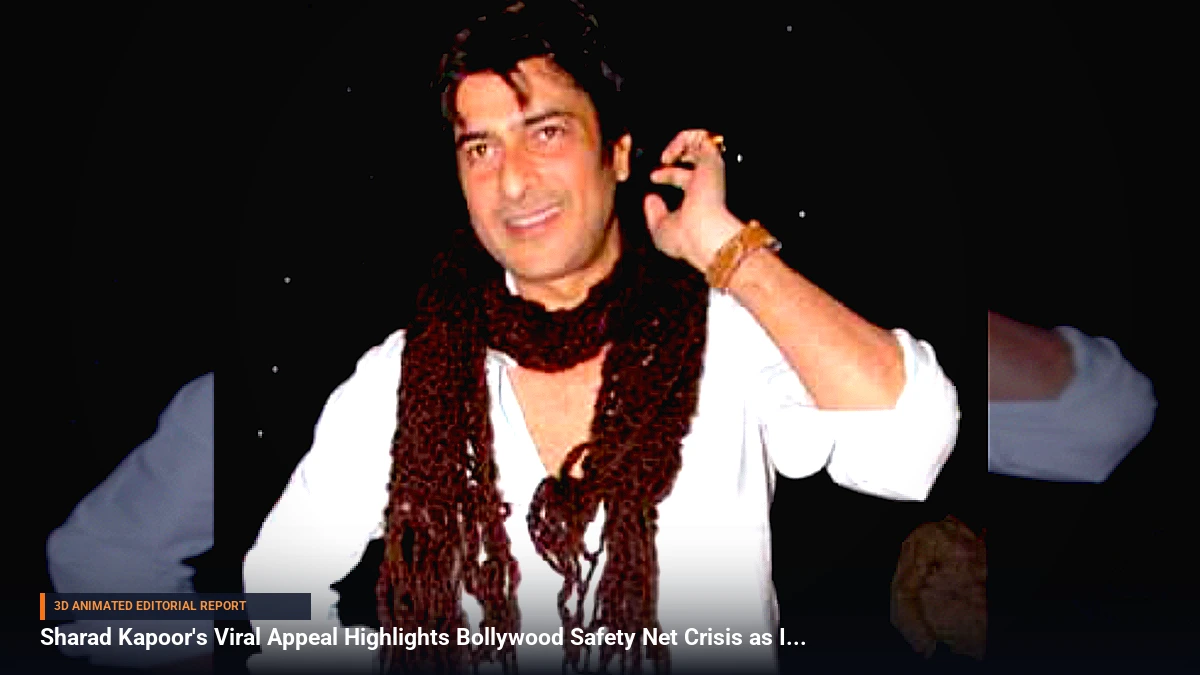
The Indian film fraternity has been thrown into a state of intense introspection following a viral video released by actor Sharad Kapoor. Best known for his memorable villainous roles and his appearance in the 2000 hit film Josh, Kapoor posted a deeply vulnerable video appeal to the industry and his fans. In the footage, which quickly circulated across major social media platforms, he revealed that he had been rendered bedridden for years due to a severe leg injury.
Along with his physical immobility, Kapoor candidly discussed his ongoing battle with depression and a severe lack of professional opportunities. The emotional appeal struck a raw nerve globally, prompting swift responses from compassionate members of the entertainment world. Philanthropist and actor Sonu Sood personally met with Kapoor to evaluate his condition and coordinate immediate medical assistance. Meanwhile, industry heavyweights Salman Khan and Amitabh Bachchan reportedly extended their support to aid the struggling actor through this dark chapter.
Background & Key Context
The vulnerability experienced by character actors and supporting stars in Bollywood is a systemic issue that rarely gains mainstream attention until a crisis occurs. While headline stars command astronomical paychecks and benefit from robust private wealth management, mid-tier actors often lack formal safety nets, health insurance schemes, or institutional pensions.
Sharad Kapoor’s trajectory mirrors the precarious nature of a freelance creative career. After achieving considerable fame in the late 1990s and early 2000s, sudden medical emergencies or extended periods away from the screen can drain personal savings completely. Kapoor's situation escalated not just from professional stagnation, but from the debilitating intersection of physical trauma—a severe leg injury—and the subsequent mental health toll of isolation and depression.
Key Takeaways
- Viral SOS: Actor Sharad Kapoor posted a widely shared video detailing his years of being bedridden and battling clinical depression.
- Plea for Work: Beyond financial aid, Kapoor explicitly urged the film industry to provide him with professional opportunities to rebuild his life.
- Peer Intervention: Sonu Sood personally met with Kapoor to arrange medical help, while icons Salman Khan and Amitabh Bachchan also reportedly extended assistance.
- International Lifeline: Amid the crisis, Kapoor reportedly received an offer to make his Hollywood film debut, signaling a potential career revival.
- Industry Blind Spots: The incident has reignited heavy debates regarding the lack of institutional welfare and medical safety nets for veteran and supporting actors in India.
Impact, Analysis & Global/National Reactions
The viral nature of Kapoor's plea has cast a harsh spotlight on the unseen struggles behind the glamorous facade of Indian cinema. Trade analysts and industry watchdogs have pointed out that while individual philanthropy—such as the swift actions taken by Sonu Sood, Salman Khan, and Amitabh Bachchan—is commendable, it highlights a structural vacuum.
Labor bodies and associations, including the All Indian Cine Workers Association (AICWA), have previously voiced concerns regarding the "black truth" of how aging or injured artists are routinely forgotten by production houses once they cease to be commercially viable. Social media users and fans have similarly expressed outrage and deep concern, sparking widespread conversations about empathy, mental health advocacy, and the urgent need for structured health insurance and welfare boards dedicated to film industry workers.
What's Next: Looking Ahead
While the immediate crisis of medical care and financial panic has been partially mitigated by the intervention of his peers, Kapoor’s long-term rehabilitation remains a priority. On a brighter note, reports indicate that Kapoor has received an offer for a Hollywood film project, which could offer him an unexpected global platform to stage a professional comeback.
Industry stakeholders are now under mounting pressure to formalize better welfare policies, ensuring that veteran artists do not have to rely on social media viral appeals to secure basic medical treatment and livelihood support in their times of greatest need.



Be the first to comment
Start a useful conversation around this story.