
What Happened: The Core Developments
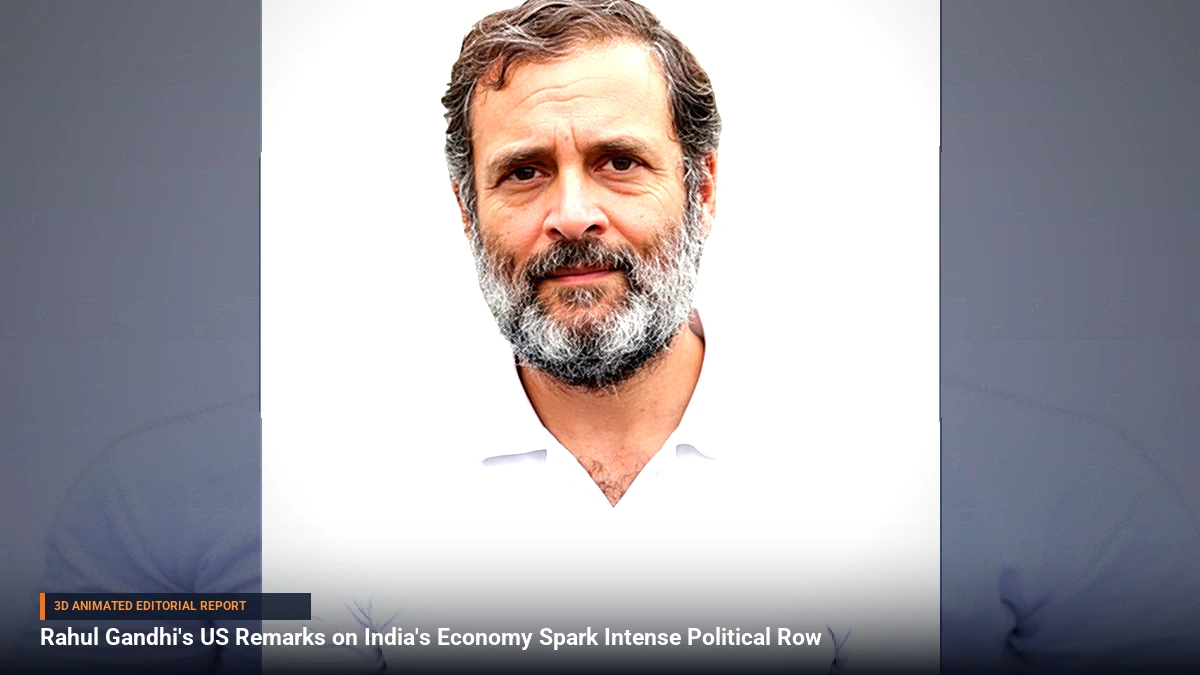
During a high-profile academic interaction at Columbia University in the United States, senior Indian opposition leader Rahul Gandhi delivered a stark critique of India's current trajectory, asserting that the nation is sitting on an "economic disaster" and a deep-rooted "economic crisis." In addition to his critique of macroeconomic conditions, Gandhi reiterated his ongoing allegations regarding the Election Commission, including references to vote integrity issues.
The remarks, delivered on an international platform, quickly reverberated back to New Delhi, prompting a swift and aggressive counter-offensive from the ruling Bharatiya Janata Party (BJP). The governing party accused Gandhi of intentionally undermining India's global standing and projecting a distorted image of the nation's economic realities to foreign audiences.
Background & Key Context
Taking domestic political battles to international universities has long been a flashpoint in Indian politics. Opposition figures frequently utilize overseas forums to voice systemic concerns, arguing that global academic institutions offer an open space for dialogue on democratic health and institutional governance. Conversely, the ruling establishment routinely decries these foreign-soil addresses, viewing them as deliberate attempts to besmirch the country's image for partisan electoral gains.
In this instance, Gandhi's comments touched upon core sensitivities surrounding economic performance and institutional credibility—two pillars of the current administration's narrative of national progress and development.
Key Takeaways
- International Forum Used for Domestic Critique: Rahul Gandhi addressed students and academics at Columbia University, flagging severe concerns about India's economic path.
- Core Allegations Raised: Gandhi warned of an economic crisis and repeated controversial charges directed at the Election Commission.
- Fierce Ruling Party Backlash: The BJP strongly condemned the remarks, labeling the opposition leader "anti-India" and deploying severe historical metaphors such as the "Mir Jafar of India."
- Economic Counter-Offensive: To refute claims of a "dead economy," the ruling party highlighted positive macroeconomic projections, including robust growth forecasts from financial institutions like Goldman Sachs.
Impact, Analysis & Global/National Reactions
The immediate fallout from the Columbia University interaction underscores the deep polarization characterizing contemporary Indian politics. The BJP's fierce rhetorical response signals that the ruling coalition intends to maintain zero tolerance for criticisms voiced beyond national borders. Party spokespersons argued that systematically running down the national growth story damages investor confidence and plays into the hands of external detractors.
Conversely, supporters of the opposition defended Gandhi's right to articulate systemic economic anxieties, arguing that public debate on job growth, wealth inequality, and institutional oversight remains vital. Independent financial analysts point out that while headline growth numbers remain among the highest globally, concerns regarding underlying employment generation, consumption patterns, and localized economic distress continue to fuel legitimate policy debates.
What's Next: Looking Ahead
As political sparring intensifies ahead of upcoming domestic electoral cycles, both political fronts are expected to double down on their respective economic narratives. The ruling administration will likely continue pointing to international financial endorsements and GDP metrics to validate its governance model, while the opposition aims to keep public focus on structural economic challenges and institutional independence.






Be the first to comment
Start a useful conversation around this story.