
What Happened: The Core Developments
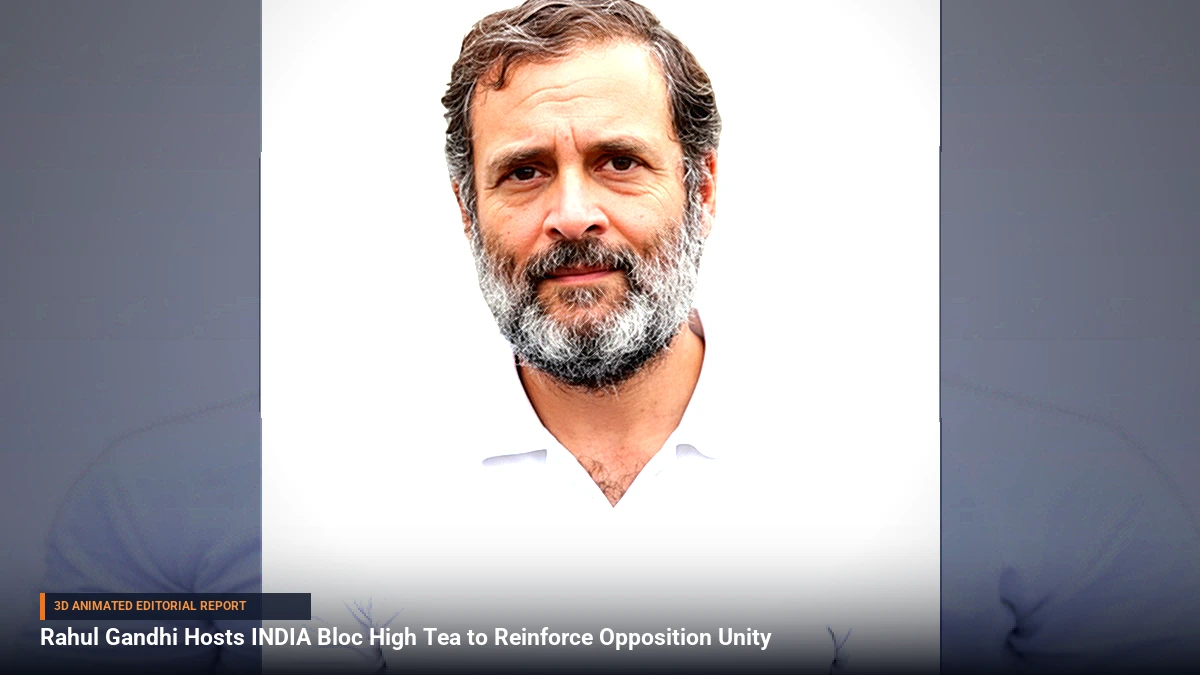
In an effort to fortify political alignment and present a united front, senior opposition leader Rahul Gandhi hosted a high tea gathering for key members of the INDIA bloc at his official residence in New Delhi. The strategic huddle came directly on the heels of intensive street protests organized across the capital by various opposition factions, signaling a shift from decentralized demonstrations to more cohesive parliamentary and political strategy.
The meeting was particularly noteworthy for its strong attendance turnout, helping to dispel recent rumors and media speculation regarding internal friction and waning participation among key regional partners. Prominent figures from various constituent parties gathered to evaluate ongoing political campaigns and coordinate upcoming legislative maneuvers.
Background & Key Context
The formation of the INDIA bloc was conceptualized to counter the ruling administration through a consolidated electoral and parliamentary opposition. However, maintaining long-term coalition discipline has periodically tested alliance leaders, especially when coordinating synchronized national protests alongside regional state-level priorities.
Prior to this high tea gathering, critics had pointed to occasional absenteeism among certain partner delegations during crucial opposition events. This latest meeting at Gandhi's residence served as a direct counter-narrative, explicitly designed to mend communication gaps, reassure alliance partners, and reaffirm collective resistance against government policies.
Key Takeaways
- High-Level Coordination: Rahul Gandhi hosted key INDIA bloc leaders at his New Delhi residence for strategic consultations.
- Timing of the Huddle: The meeting took place exactly one day after widespread street protests organized by the opposition.
- Overcoming Absenteeism: Strong attendance from major regional partners helped silence rumors regarding internal friction and missed meetings.
- Reaffirmed Solidarity: Leaders emphasized that the collective resistance against government policies will continue unabated.
- Unified Front: The gathering underscored the bloc's intent to synchronize future parliamentary actions with grassroots agitation.
Impact, Analysis & Global/National Reactions
The robust turnout at the high tea—most notably featuring a strong contingent of 22 lawmakers from the Samajwadi Party alongside representatives from the Uddhav Thackeray-led Shiv Sena faction—sent a clear signal to political observers. Earlier concerns regarding the commitment of these critical regional allies were decisively addressed through their active participation.
Political analysts note that while street demonstrations capture immediate public attention, sustaining a unified opposition coalition requires continuous behind-the-scenes dialogue. By bringing together diverse ideological factions under one roof, the alliance leadership sought to project organizational resilience. Samajwadi Party MP Awadhesh Prasad underscored this sentiment, reiterating that the "INDIA bloc was formed for a major cause" and that collaborative efforts would persist despite external pressures.
What's Next: Looking Ahead
As the political calendar progresses, the focus for the INDIA bloc now shifts toward translating this renewed camaraderie into concrete legislative strategies during upcoming parliamentary sessions. Alliance coordinators are expected to finalize joint agendas addressing pressing national issues, electoral reforms, and institutional independence.
Observers will be monitoring upcoming opposition conclaves to see whether this momentum translates into synchronized floor strategies in parliament and sustained grassroots mobilization leading into future electoral cycles.

Be the first to comment
Start a useful conversation around this story.