
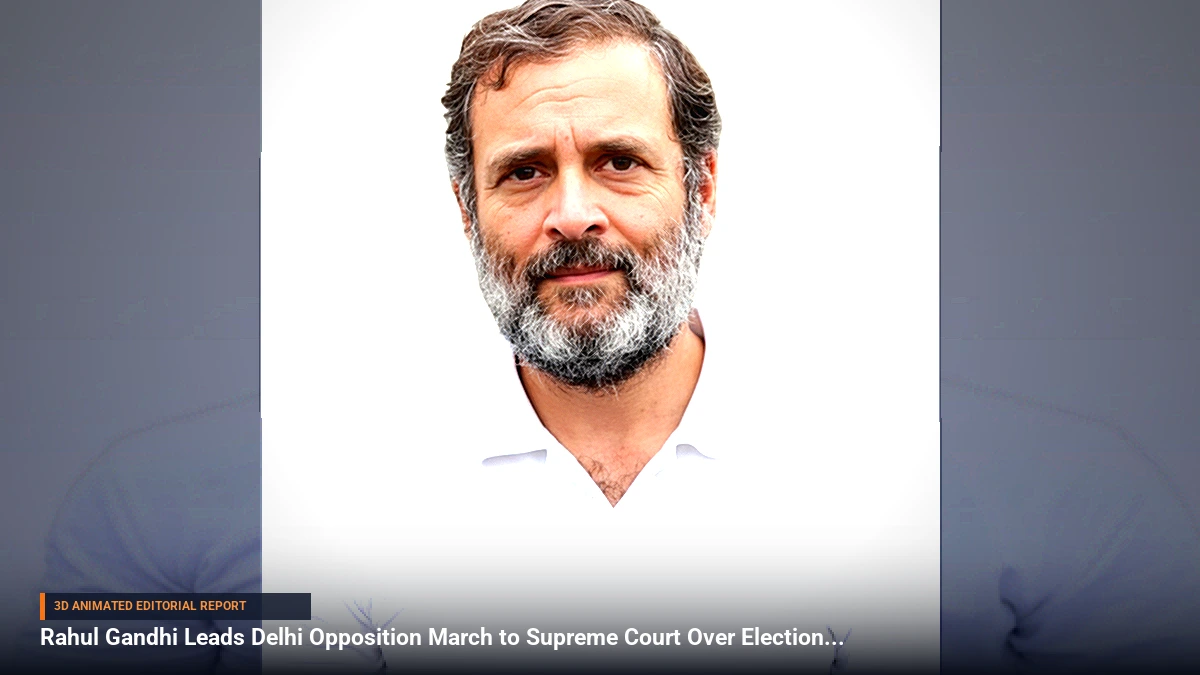
What Happened: The Core Developments
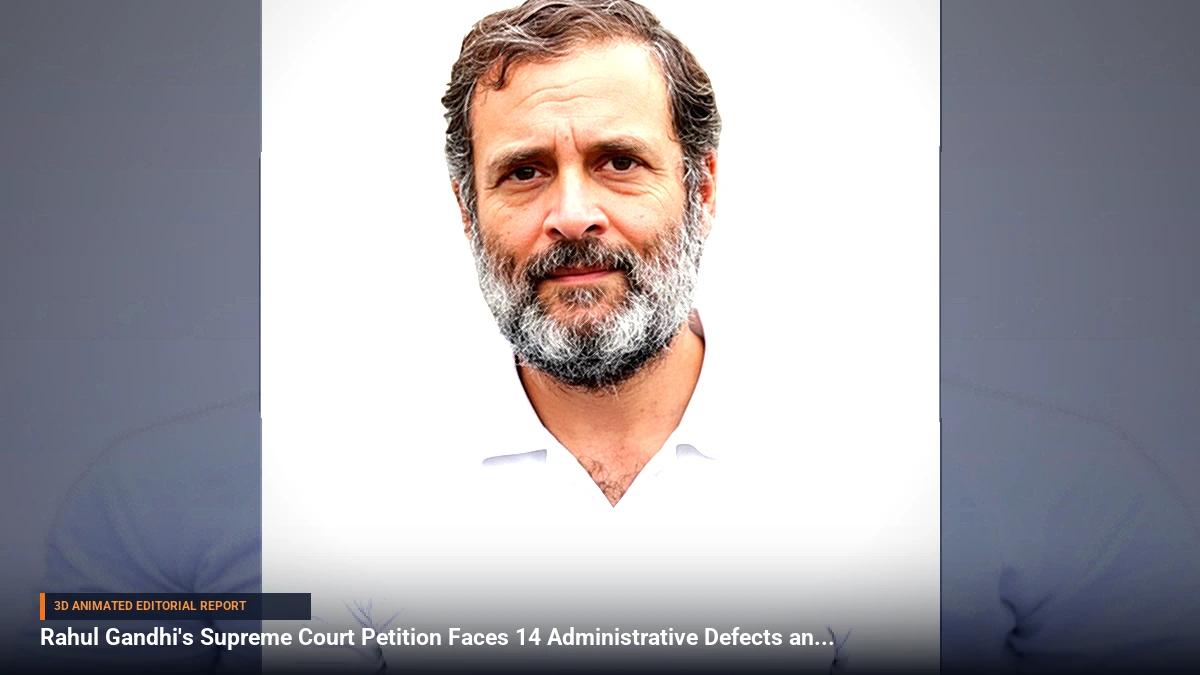
Tensions escalated sharply in India's capital as opposition figures, spearheaded by senior Congress leader Rahul Gandhi, led a high-profile march through the streets of New Delhi toward the Supreme Court. The demonstration, organized by the broader INDIA bloc, served as a direct challenge to the current administration of the Election Commission of India (ECI). Protesters demanded the resignation of the election chief and voiced vehement opposition to the controversial Special Intensive Revision (SIR) of electoral rolls.
Simultaneously, the opposition's legal team lodged a comprehensive joint petition at the top court, seeking 10 distinct forms of relief. However, the legal maneuver immediately hit administrative roadblocks. The Supreme Court registry flagged 14 technical defects in the filing, which notably included missing documentation and a Rs 220 court fee shortfall.
Background & Key Context
The street protests follow weeks of escalating political friction surrounding voter roll management and transparency in democratic processes. The ECI's Special Intensive Revision process has become a major flashpoint, with opposition parties claiming that the executive measures disproportionately impact marginalized voters and lack adequate judicial oversight. Demonstrations have increasingly drawn crowds from across civil society and student organizations, reflecting deep-seated anxieties over institutional autonomy.
Prior to the Supreme Court march, capital police deployed heavy barricades and temporarily shut down several metro stations to manage the crowds, echoing similar crackdowns witnessed over preceding weekends.
Key Takeaways
- Opposition Mobilization: Rahul Gandhi and INDIA bloc leaders led thousands through Delhi to the Supreme Court gates.
- Core Demands: The protests explicitly target the election commissioner, demanding resignation and accountability over the Special Intensive Revision (SIR).
- Legal Action: A joint petition was submitted to the apex court outlining 10 requests, including a stay on the SIR, an audit of voter deletions, and access to ECI files.
- Administrative Hurdles: The Supreme Court registry flagged 14 distinct errors in the petition, alongside a minor Rs 220 court fee deficit.
- Public & Security Response: Heavy police deployments, barricades, and public transport restrictions marked the capital's response to the growing civil unrest.
Impact, Analysis & Global/National Reactions
The convergence of mass political mobilization and procedural legal scrutiny highlights the volatile state of India's democratic discourse. While opposition leaders frame the movement as an existential defense of constitutional integrity against government overreach, administrative hiccups like the Supreme Court's defect flagging provide critics with ammunition to question the rigor of the opposition's legal preparations.
Political analysts note that the dual-track strategy—combining street-level agitation with judicial intervention—is designed to maximize public pressure. By drawing attention to voter roll revisions, the opposition aims to galvanize the electorate ahead of upcoming electoral cycles.
What's Next: Looking Ahead
All eyes now turn to the Supreme Court registry and the petitioners' legal representatives to rectify the 14 flagged defects and settle the fee shortfall. Once the procedural hurdles are cleared, the bench is expected to review the maintainability of the petition and decide whether to entertain the 10 sweeping requests, which could profoundly impact the timeline and execution of the ongoing electoral roll revisions.

Be the first to comment
Start a useful conversation around this story.