
What Happened: The Core Developments
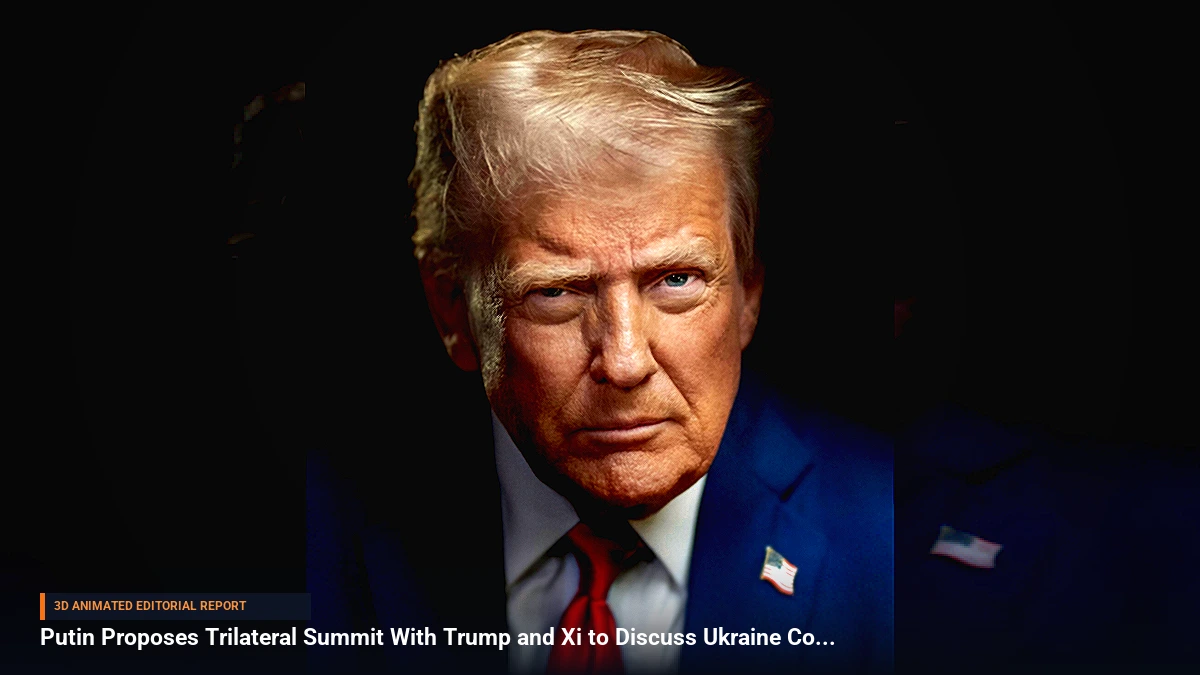
In a major diplomatic overture, Russian President Vladimir Putin has formally proposed a three-way summit involving himself, US President Donald Trump, and Chinese President Xi Jinping. According to reports emerging from the Kremlin and international financial publications, the primary focus of this unprecedented gathering would be to chart a path toward a negotiated settlement for the protracted conflict in Ukraine.
Kremlin officials have indicated that the proposed trilateral dialogue could potentially take place in China as early as next month. This diplomatic maneuver represents a dramatic pivot in the international discourse surrounding the war, bringing together three of the world's most influential leaders in a single forum to directly address European security architecture and the future of Eastern Europe.
Background & Key Context
The initiative comes at a critical juncture in global geopolitics. As the war in Ukraine approaches prolonged operational phases, traditional diplomatic channels between Moscow and Western capitals have largely frozen. By proposing a framework that includes Beijing, Moscow is signaling its preference for a multipolar negotiation architecture—one that elevates China's role as a primary diplomatic broker alongside the United States.
Concurrently, regional leadership in Kyiv, led by President Volodymyr Zelenskyy, has been actively working to manage and ease diplomatic tensions with Washington. The prospect of major global powers discussing the fate of Ukraine in a trilateral format has naturally triggered wariness within Ukrainian administrative circles, where officials have repeatedly insisted that no decisions regarding their sovereignty should be made without their direct participation.
Key Takeaways
- Trilateral Proposal: Vladimir Putin has suggested a summit featuring himself, Donald Trump, and Xi Jinping.
- Proposed Timeline and Location: The Kremlin has floated the possibility of hosting the meeting in China as early as next month.
- Core Agenda: The stated purpose of the potential gathering is to negotiate a political settlement to the Ukraine conflict.
- Geopolitical Shift: The move emphasizes Moscow's push for a multipolar negotiation framework that includes Beijing as a key stakeholder.
- Kyiv's Concerns: Ukrainian leadership has expressed caution and apprehension regarding high-level summits discussing national sovereignty without direct inclusion.
Impact, Analysis & Global/National Reactions
The announcement of a potential summit has sent ripples through international foreign policy circles. Analysts note that while a direct dialogue channel between the US, Russia, and China could theoretically accelerate peace talks, it also risks sidelining European allies and, most crucially, Ukraine itself.
"Any framework that attempts to bypass the sovereign government in Kyiv while carving out spheres of influence among superpowers will face severe legitimacy challenges," noted one senior diplomatic observer. Meanwhile, markets and international policy forums are watching closely to see whether Washington and Beijing will formally accept the Kremlin's invitation or demand significant precondition changes before committing to a date.
What's Next: Looking Ahead
As the diplomatic community awaits formal confirmations from the White House and Beijing, attention will focus on preparatory diplomatic communications. Key questions remain regarding whether Ukrainian representatives will be integrated into the summit's framework, how European Union leaders will respond to being excluded from high-level trilateral talks, and whether specific dates in China can be finalized for the proposed meeting next month.



Be the first to comment
Start a useful conversation around this story.