
What Happened: The Core Developments
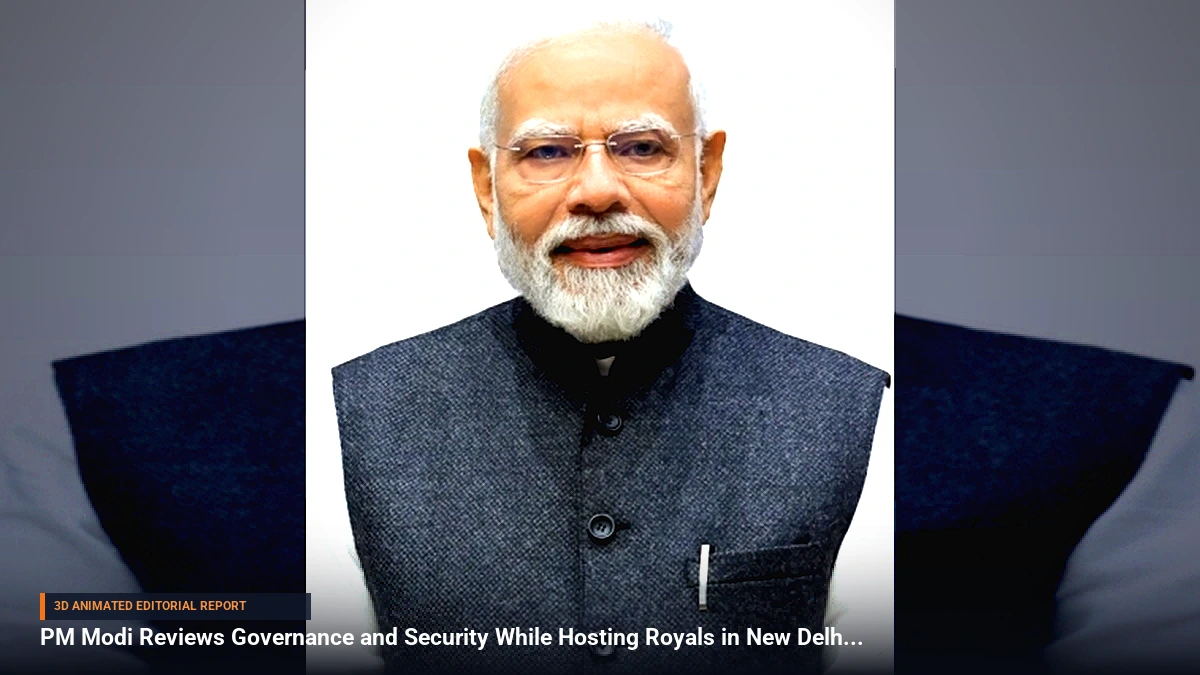
Indian leadership has maintained a dual-track focus, balancing rigorous internal policy evaluations with significant international diplomatic engagements. Prime Minister Narendra Modi recently convened a comprehensive meeting of the Council of Ministers in New Delhi to review major governance initiatives, socio-economic metrics, and internal security updates.
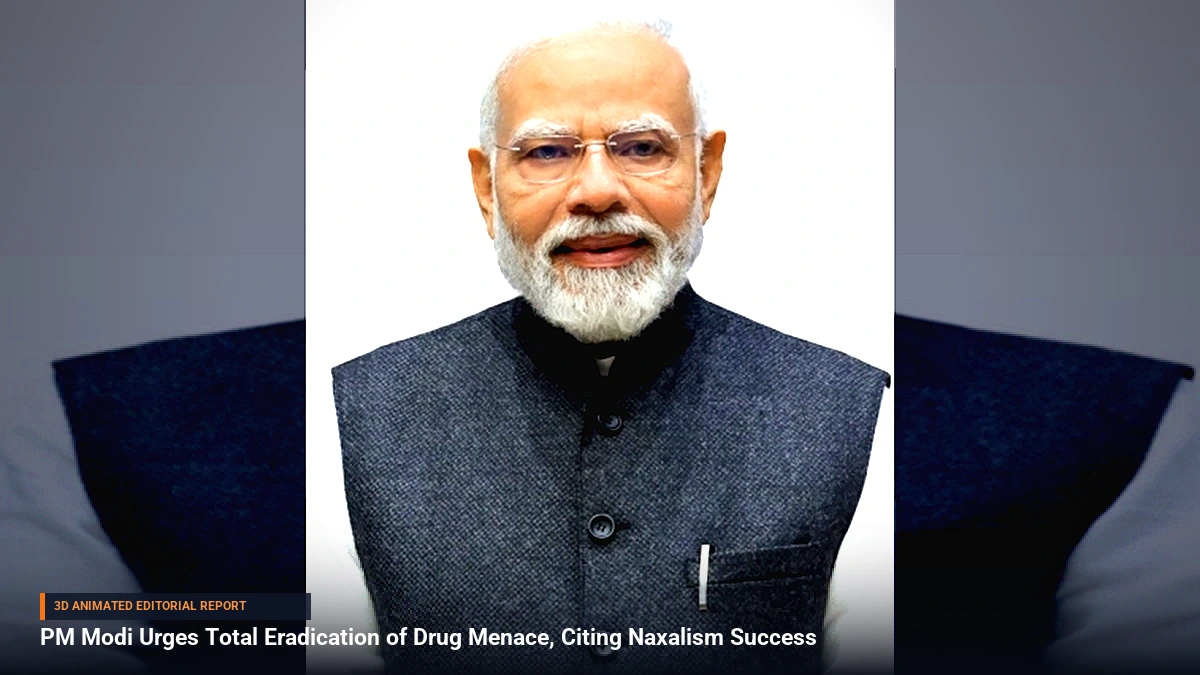
During the high-level administrative gathering, discussions centered heavily on a recent World Bank report tracking poverty trends across the nation, alongside a formal assessment regarding the significant decline of Naxalism in historically affected regions. Beyond systemic economic and security evaluations, the Prime Minister turned his attention toward public health and fiscal responsibility. He issued strict directives calling for an intensified, sustained national campaign against the illicit drug trade, emphasizing that eradicating the drug menace must remain a top administrative priority.
Simultaneously, the capital city witnessed prominent international diplomatic activity. Prince William and Kate met with Prime Minister Modi in New Delhi during the final leg of their high-profile India tour, a visit that notably featured their attendance at the prestigious annual Earthshot Prize.
Background & Key Context
The Council of Ministers meetings serve as critical internal checkpoints for the Indian government to evaluate ministry performances, track structural reforms, and align administrative machinery with long-term national development goals. The inclusion of the World Bank's poverty assessment highlights the administration's ongoing reliance on empirical international data to gauge the efficacy of its welfare delivery systems.
Simultaneously, the notable decline of Naxalism represents a major milestone in India's internal security landscape, reflecting years of coordinated security operations, infrastructural expansion, and developmental interventions in remote districts. On the public health front, the renewed push against narcotics builds upon mounting concerns over illicit trafficking routes and substance abuse among urban and rural youth. On the diplomatic front, the unexpected addition of a meeting with British royals underscores India's growing stature as a hub for both global environmental innovation—highlighted by the Earthshot Prize—and high-level bilateral diplomacy.
Key Takeaways
- Governance Review: PM Modi chaired a Council of Ministers meeting to evaluate key public administration and welfare delivery initiatives.
- Socio-Economic Progress: Officials reviewed positive findings from a World Bank report detailing poverty reduction trends in India.
- Security Milestones: The meeting addressed the tactical decline of Naxalism, marking a major shift in India's internal security dynamics.
- Anti-Narcotics Crackdown: The Prime Minister called for an aggressive, sustained nationwide drive to dismantle the illegal drug trade.
- Fiscal Discipline: Participants were reminded to maintain strict financial prudence across all government departments and spending initiatives.
- Global Diplomacy: The administrative review coincided with high-profile international engagements, including a New Delhi meeting with Prince William and Kate.
Impact, Analysis & Global/National Reactions
The simultaneous management of complex domestic security updates, economic metrics, and high-profile international diplomacy illustrates the multi-layered responsibilities currently resting on India's federal leadership. Analysts note that emphasizing anti-narcotics campaigns alongside poverty alleviation signals an integrated approach to social welfare, wherein public safety and economic upliftment are treated as mutually reinforcing objectives.
Furthermore, the government's insistence on financial prudence reflects a conscious effort to balance ambitious welfare spending with macro-fiscal stability. On the diplomatic stage, the royal visit and interactions with global environmental leaders reinforce India's strategic positioning as an active participant in global climate initiatives and cultural exchange.
What's Next: Looking Ahead
As the administration transitions from evaluation to execution, federal ministries are expected to roll out targeted directives stemming from the Council of Ministers meeting. Observers will be closely watching for the formal rollout of the intensified anti-narcotics strategy, alongside legislative and budgetary measures reflecting the mandated financial prudence.
On the diplomatic front, the successful conclusion of the British royals' tour and their engagement with Indian leadership is anticipated to foster deeper cultural and environmental cooperation between the two nations, setting the stage for future bilateral partnerships focused on sustainable development.



Be the first to comment
Start a useful conversation around this story.