
What Happened: The Core Developments
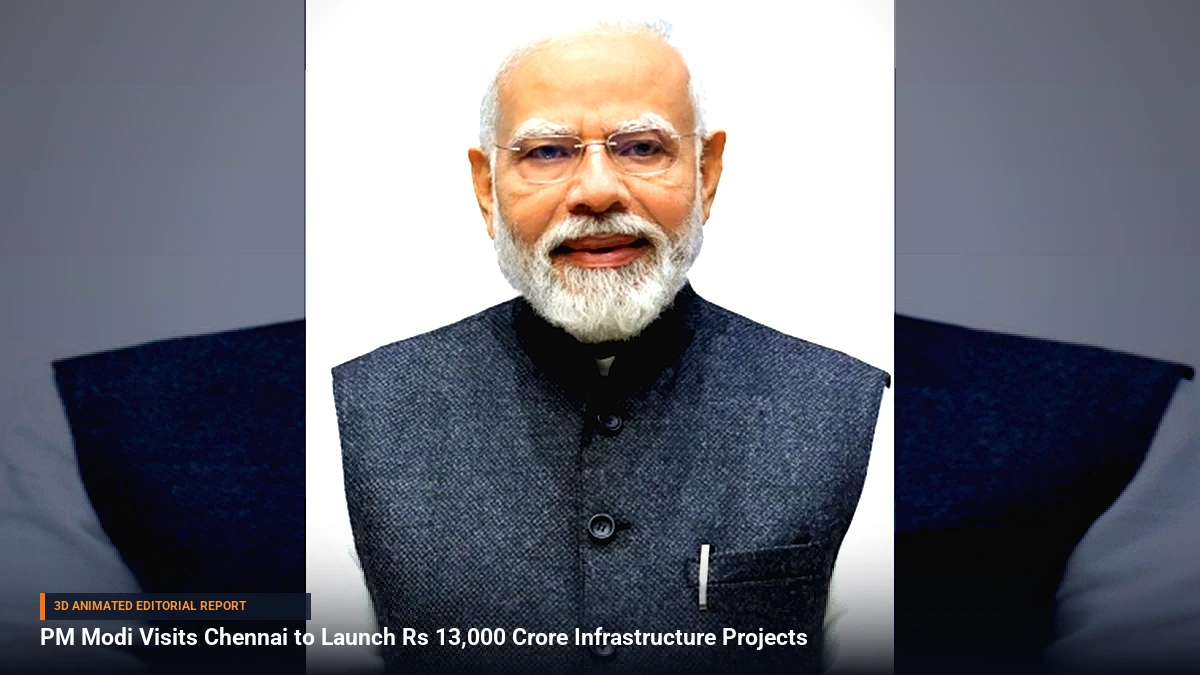
Prime Minister Narendra Modi has arrived in Chennai for a packed official itinerary centered around accelerating urban mobility and civic infrastructure in Tamil Nadu. The centerpiece of the visit is the formal launch of transformative development projects valued at over Rs 13,000 crore.
Among the marquee initiatives is the official rollout of the Chennai Metro Rail Phase 2, a critical undertaking designed to ease severe urban congestion and modernize the metropolitan transit network. Highlighting the launch, the Prime Minister is scheduled to take a firsthand metro ride from the Porur Bypass Station to the Poonamallee Bypass Station and back. In addition to transit and structural developments, the itinerary includes a spiritual stop at the historic Jalakandeswarar Temple for prayers.
Background & Key Context
Tamil Nadu has witnessed a significant push toward large-scale urban infrastructure development over recent years, with metropolitan Chennai acting as a prime focal point. The Chennai Metro Rail Phase 2 project has been one of the most anticipated transit initiatives in southern India, aiming to connect sprawling suburban corridors with the heart of the capital city.
Logistical preparations across Chennai have been heavily ramped up to accommodate the high-security visit, prompting local traffic police to announce comprehensive traffic diversions and temporary restrictions along key thoroughfares to ensure smooth transit for the Prime Minister's motorcade.
Key Takeaways
- Massive Investment: Prime Minister Modi is launching infrastructure projects worth over Rs 13,000 crore in Chennai.
- Metro Expansion: The Chennai Metro Rail Phase 2 is a major highlight of the visit, aimed at transforming the city's commuter landscape.
- Interactive Engagement: The Prime Minister will personally experience the new transit infrastructure by taking a metro ride between Porur Bypass and Poonamallee Bypass stations.
- Cultural Stop: The itinerary includes a scheduled visit to offer prayers at the revered Jalakandeswarar Temple.
- Logistical Adjustments: Extensive traffic diversions have been implemented across the city to manage the high-profile security and transit requirements.
Impact, Analysis & Global/National Reactions
Infrastructure analysts point out that the infusion of Rs 13,000 crore into Tamil Nadu's civic framework underscores a concerted national strategy to upgrade tier-1 urban centers into globally competitive economic hubs. Efficient mass rapid transit systems directly correlate with reduced carbon emissions, lower logistic costs, and enhanced productivity for millions of daily urban commuters.
Political observers also note the broader strategic undertones of high-value central investments in southern states, where cooperative federalism and developmental diplomacy play a vital role in shaping political narratives and regional alliances.
What's Next: Looking Ahead
With the formal inauguration of Chennai Metro Rail Phase 2 underway, attention will shift toward the execution timelines and phased operationalization of the newly launched corridors. State and central transit authorities will coordinate closely to ensure that subsequent milestones of the metro expansion meet deadlines, minimizing commuter disruption while maximizing connectivity across Tamil Nadu's rapidly growing industrial and residential zones.


Be the first to comment
Start a useful conversation around this story.