
What Happened: The Core Developments
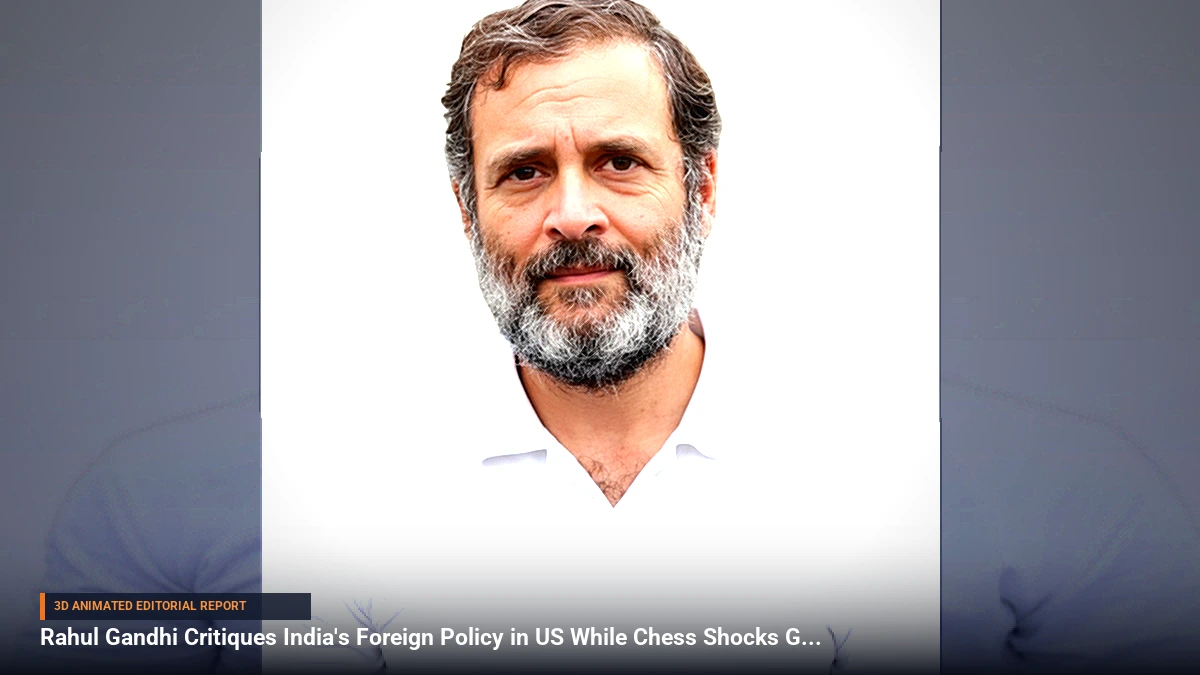
Recent international headlines have been dominated by intersecting narratives of high-stakes political discourse and unexpected sports controversies. During a public appearance in the United States, senior Indian opposition figure Rahul Gandhi addressed a diverse audience, casting a critical eye on New Delhi's current diplomatic footprint. Gandhi asserted that India has diminished to a "side player" on the global stage, pointing to external geopolitical maneuvers—such as Pakistan's involvement in US-Iran diplomatic communications—as evidence of shifting regional influence.
Simultaneously, the global sports arena witnessed a major talking point when chess legend Magnus Carlsen made the controversial decision to forfeit a Fast Classic match against Kazakhstan's Bibisara Assaubayeva. This unexpected move sent shockwaves through competitive chess communities, generating intense debate among analysts and enthusiasts alike regarding sportsmanship and tournament dynamics.
Background & Key Context
Foreign policy debates have remained a central pillar of India's domestic political arena, with opposition leaders frequently scrutinizing the ruling administration's diplomatic postures. Gandhi's remarks in the US build upon a continuous narrative from the opposition bloc questioning bilateral engagements, strategic alignments in the Middle East, and regional security frameworks.
In the realm of chess, Carlsen's forfeiture adds to a growing list of dramatic incidents involving top-tier grandmasters navigating fast-paced tournament formats. While specific motivations behind Carlsen's decision continue to be dissected by tournament officials, the event highlights the intense psychological and competitive pressures inherent in elite modern chess.
Key Takeaways
- Foreign Policy Critique: Rahul Gandhi argued in the US that India's global diplomatic standing has weakened, referencing recent geopolitical developments involving Pakistan.
- Condition for Dialogue: Responding to an inquiry from a Pakistani national about moving beyond the "blame game," Gandhi maintained that meaningful bilateral talks can only occur if Islamabad definitively halts its support for cross-border terrorism.
- Broader Geopolitical Stance: The discussions also touched upon complex international relations, including ties with Israel and humanitarian concerns in Gaza.
- Chess Controversy: Grandmaster Magnus Carlsen sparked widespread debate by forfeiting his Fast Classic game against Bibisara Assaubayeva.
Impact, Analysis & Global/National Reactions
Rahul Gandhi's commentary on foreign policy has reignited domestic debates concerning India's strategic autonomy and diplomatic efficacy. While supporters of the ruling administration argue that India has secured unprecedented global influence and successfully navigated multipolar relationships, critics and opposition analysts point to evolving regional dynamics as areas of vulnerability.
Addressing a direct question concerning regional reconciliation, Gandhi emphasized a firm boundary: "Dialogue could happen only if Pakistan stops supporting terrorism in India." This clear stance underscores the bipartisan domestic consensus regarding national security prerequisites, even amidst broader criticisms of diplomatic execution.
Meanwhile, the chess community continues to grapple with the fallout from Carlsen's forfeiture. Analysts note that such high-profile incidents draw vital public attention to competitive chess while raising questions about regulatory frameworks and player welfare.
What's Next: Looking Ahead
As political campaigns and international summits progress, foreign policy will undoubtedly remain a focal point of debate within India's legislative and public spheres. Stakeholders will closely monitor how New Delhi responds to shifting diplomatic alignments in South Asia and the Middle East.
In competitive sports, governing bodies in chess are expected to review the circumstances surrounding the Fast Classic tournament, potentially introducing clearer guidelines to manage unexpected player forfeitures and maintain tournament integrity.

Be the first to comment
Start a useful conversation around this story.