
What Happened: The Core Developments
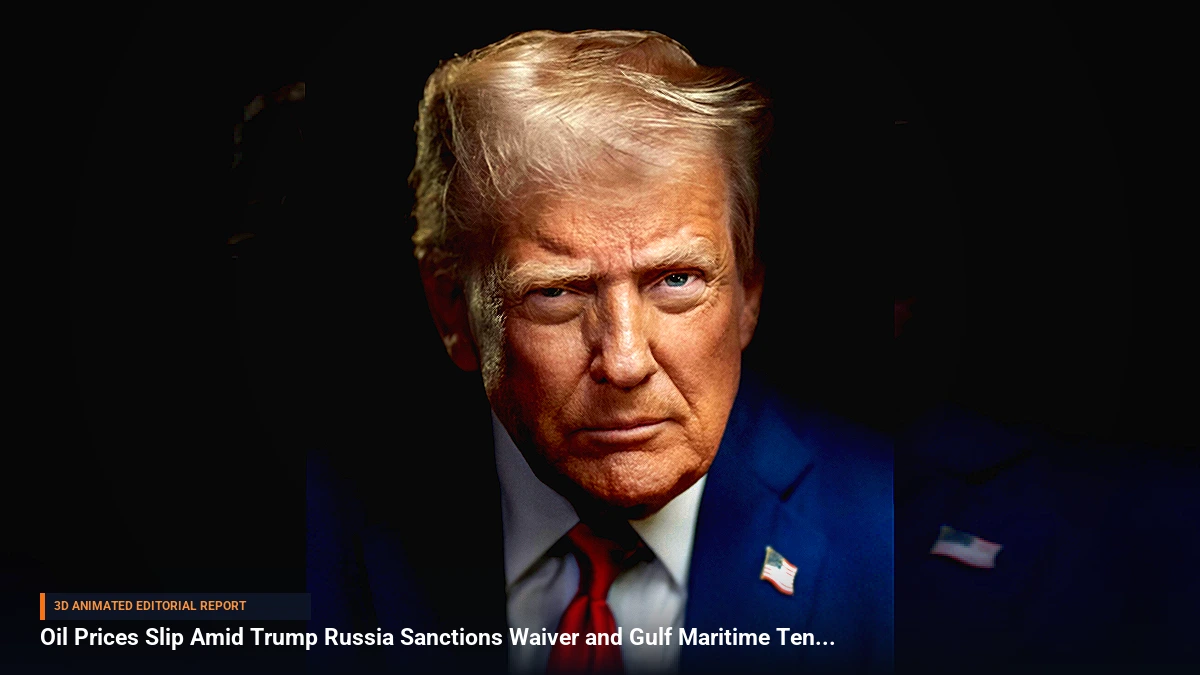
Global energy markets experienced a notable downward correction as crude oil prices slipped and tumbled following widespread reports regarding potential sanctions waivers from the United States administration. The proposed policy shifts could pave the way for increased volumes of Russian fuel supplies to re-enter global commercial channels, easing supply tightness concerns.
At the same time, regional stability faced mounting pressures following reports that oil tankers were struck in vital maritime chokepoints, including the Strait of Hormuz and the Gulf of Oman. These concurrent developments have created an unpredictable trading environment where diplomatic easing attempts are juxtaposed against physical supply chain threats.
Background & Key Context
The complex architecture of international energy sanctions has long been a centerpiece of Western foreign policy regarding Moscow's military actions. However, the enforcement and secondary impacts of these restrictions have drawn intense diplomatic friction. The US administration recently indicated the practical difficulties faced by major importing nations, such as India, in immediately weaning themselves off deeply integrated Russian energy networks.
Defending plans to potentially ease certain restrictions, the Trump administration pointed toward an ongoing 60-day strategic review framework led by officials like Marco Rubio to navigate domestic and international backlash. Meanwhile, diplomatic efforts to institute universal secondary tariffs on major buyers like India and China stumbled after European allies reportedly declined to join the proposed concerted push.
Key Takeaways
- Sanctions Relief: The Trump administration is weighing sanctions waivers that could ease constraints on Russian energy exports.
- Market Reaction: Global oil prices tumbled following news of the potential supply inflows, offering temporary relief to consumers.
- Strategic Realities: US officials acknowledged the immense logistical hurdles for nations like India in moving away from Russian hydrocarbons.
- Policy Pushback: European allies reportedly declined to back a US-led initiative for secondary tariffs on India and China over Russian oil purchases.
- Maritime Security: Independent reports of oil tankers being struck in the Strait of Hormuz and the Gulf of Oman have heightened geopolitical risk.
Impact, Analysis & Global/National Reactions
The intersection of shifting US regulatory stances and maritime disruptions highlights the fragile balance governing global energy corridors. Analysts note that while waivers aimed at increasing Russian fuel supply can cool immediate price spikes, they complicate broader geopolitical objectives designed to isolate Moscow's economy.
Defenders of the 60-day review process argue that pragmatism must override rigid enforcement when global market stability is at stake. Conversely, critics caution that easing sanctions undermines unified Western leverage. The inability to secure European backing for secondary tariffs on major Asian importers further illustrates the fractured nature of global economic statecraft.
What's Next: Looking Ahead
Market participants are closely monitoring the conclusion of the administration's 60-day sanctions review, which will determine the definitive scope and scale of any granted waivers. Any concrete policy announcements regarding Russian fuel exemptions will likely dictate oil price trajectories in the near term.
Concurrently, security developments in the Persian Gulf, the Strait of Hormuz, and the Gulf of Oman will remain under intense scrutiny by shipping lines, insurers, and naval coalitions. The interplay between diplomatic exemptions and physical transit security will define the volatility parameters of the global commodities market for the foreseeable future.


Be the first to comment
Start a useful conversation around this story.