
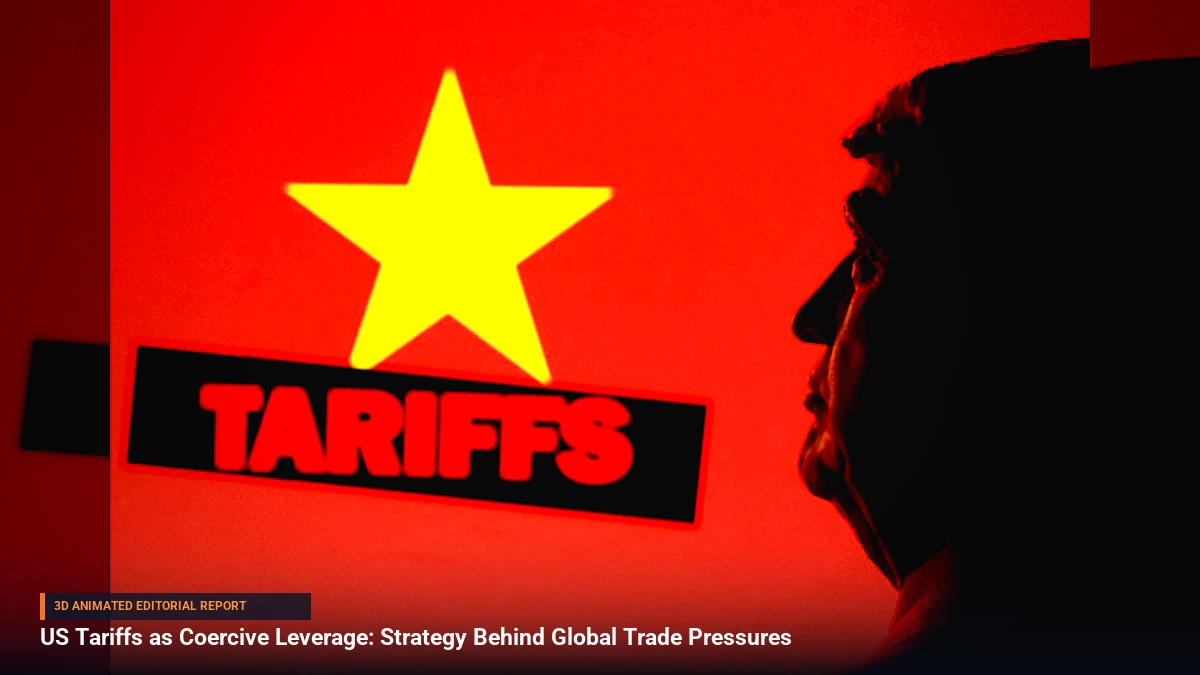
What Happened: The Core Developments
The landscape of international trade is experiencing renewed volatility as the United States deploys aggressive tariff policies aimed directly at key manufacturing nations. Recent policy directives signal potential tariff hikes targeting major trading partners—including China, India, and Vietnam—should ongoing bilateral trade negotiations fail to yield outcomes favorable to Washington.
Rather than functioning merely as traditional protectionist barriers designed to shield domestic industries, these proposed tariffs are being actively deployed as high-stakes leverage. For instance, the US administration has floated a planned 25% tariff against India, officially citing concerns over excess manufacturing capacity. However, independent trade data and local analysts have pointed out significant discrepancies, suggesting that the stated rationale does not fully align with empirical market realities.
Background & Key Context
Trade policy has long been utilized as an instrument of foreign policy, but the current strategic deployment marks an escalation in economic statecraft. By dangling the threat of severe import levies—such as a staggering 40% tariff threat directed at China and conditional hikes for other emerging economies—Washington aims to force trading partners back to the negotiating table.
In response to these mounting pressures, targeted nations are attempting varied diplomatic and economic maneuvers. India, for example, has reportedly proposed a 17% US tariff offer in an effort to avert harsher penalties. Nevertheless, domestic exporters and trade bodies have cautioned that this concession might still fall short of enhancing true export competitiveness when stacked against regional Asian rivals who face similar economic pressures.
Key Takeaways
- Coercive Leverage: International trade experts widely characterize the proposed US tariffs as calculated "bait" designed to extract one-sided trade concessions.
- Targeted Nations: Major Asian manufacturing hubs, notably China, India, and Vietnam, remain primary focal points for these potential fiscal escalations.
- Contested Rationales: Official justifications provided by the US—such as India's alleged excess manufacturing capacity—are frequently challenged by conflicting empirical trade data.
- Defensive Concessions: Emerging economies are attempting preemptive compromises, such as India's proposed 17% tariff framework, though local exporters remain skeptical about the long-term competitive edge.
- Negotiation Deadlines: The ultimate implementation of these threatened hikes hinges entirely on the success or failure of ongoing bilateral trade talks.
Impact, Analysis & Global/National Reactions
The strategic use of tariffs as a coercive mechanism creates profound uncertainty for global supply chains and multinational corporations. Economists note that treating trade policy primarily as a negotiation weapon risks triggering retaliatory measures, destabilizing global markets, and forcing unnecessary restructuring of long-established manufacturing networks.
Institutional analysts and trade observers emphasize that while this hardline approach may yield short-term diplomatic compliance, it fundamentally alters the rules of multilateral commerce. Exporters in developing nations find themselves caught in a difficult bind: either absorb the costs of protective tariffs or agree to lopsided bilateral terms that may undermine their domestic industrial growth.
What's Next: Looking Ahead
As bilateral negotiations continue, the immediate future of global trade policy rests on whether targeted nations can successfully negotiate exemptions or if Washington will proceed with enacting the threatened tariff hikes. Stakeholders across manufacturing, logistics, and corporate strategy are closely monitoring diplomatic channels for signs of compromise, while preparing for potential supply chain disruptions should the talks collapse.



Be the first to comment
Start a useful conversation around this story.