
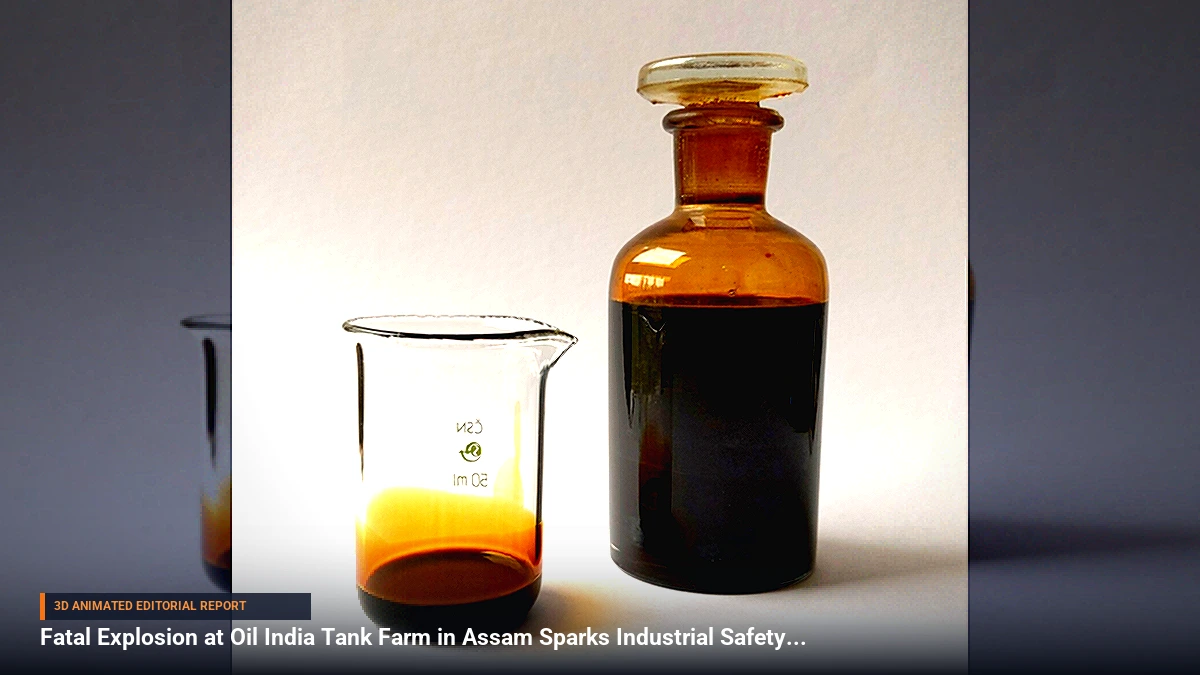
What Happened: The Core Developments
A catastrophic industrial accident struck an Oil India facility tank farm in Assam, resulting in one fatality and leaving six workers in critical condition. The incident unfolded when personnel were actively operating a valve within the crude oil storage section of the facility. The mechanical manipulation triggered an unexpected explosion, which rapidly escalated into a massive fire across the tank farm infrastructure.
Emergency response teams and local fire services were swiftly mobilized to contain the blaze and rescue trapped personnel. While the fire's immediate expansion was halted through coordinated containment efforts, the human toll has deeply shaken the local community and industry workforce. The six critically injured individuals were rushed to specialized medical facilities for urgent trauma care.
Background & Key Context
Oil India Limited operates extensive petroleum exploration and production networks throughout Assam, a region foundational to India's domestic hydrocarbon sector. Tank farms—complex installations featuring massive storage reservoirs, high-pressure piping, and critical valve assemblies—form the backbone of these upstream operations.
Historically, industrial facilities handling volatile hydrocarbons maintain stringent standard operating procedures (SOPs) to mitigate the risks inherent in valve management and crude storage. Incidents involving sudden pressure releases or mechanical failures during valve operations highlight the persistent vulnerability of heavy industrial infrastructure, even within established public-sector enterprises.
Key Takeaways
- Casualties: The explosion resulted in one confirmed fatality and left six workers fighting for their lives in critical condition.
- Location & Setting: The disaster struck the crude oil storage tank farm at an Oil India facility located in Assam's Dibrugarh district.
- Trigger Mechanism: Preliminary operational reports indicate the blast was triggered while workers were engaged in manual or automated valve operations.
- Emergency Response: Plant safety units and local emergency services deployed rapid containment measures to battle the intense flames and evacuate victims.
- Regulatory Focus: The fatal accident has ignited immediate concerns regarding workplace safety enforcement and equipment maintenance standards across regional energy installations.
Impact, Analysis & Global/National Reactions
The tragedy has sent shockwaves through India's energy sector, reviving critical debates surrounding occupational health and safety (OH&S) enforcement. Labor unions and safety advocates have raised pressing questions regarding whether mechanical wear, operational fatigue, or procedural lapses contributed to the catastrophic failure.
Industrial safety experts emphasize that valve operations in crude storage sectors demand rigorous safety checks, pressure monitoring, and advanced automated shut-off systems to prevent localized sparks or catastrophic pressure spikes. Stakeholders across the public sector are now calling for comprehensive independent safety audits across all regional petroleum installations to protect frontline workers.
What's Next: Looking Ahead
In the wake of the disaster, attention shifts toward ongoing official investigations by state authorities and internal safety panels to determine the exact technical root cause of the explosion. Regulatory bodies are expected to review compliance records, valve maintenance logs, and emergency preparedness protocols at the facility.
Furthermore, management faces mounting pressure to deliver transparent compensation packages for the affected families and implement rigorous corrective measures. The findings from these upcoming safety probes will likely dictate new operational mandates for hydrocarbon handling across Assam's critical energy infrastructure.





Be the first to comment
Start a useful conversation around this story.