
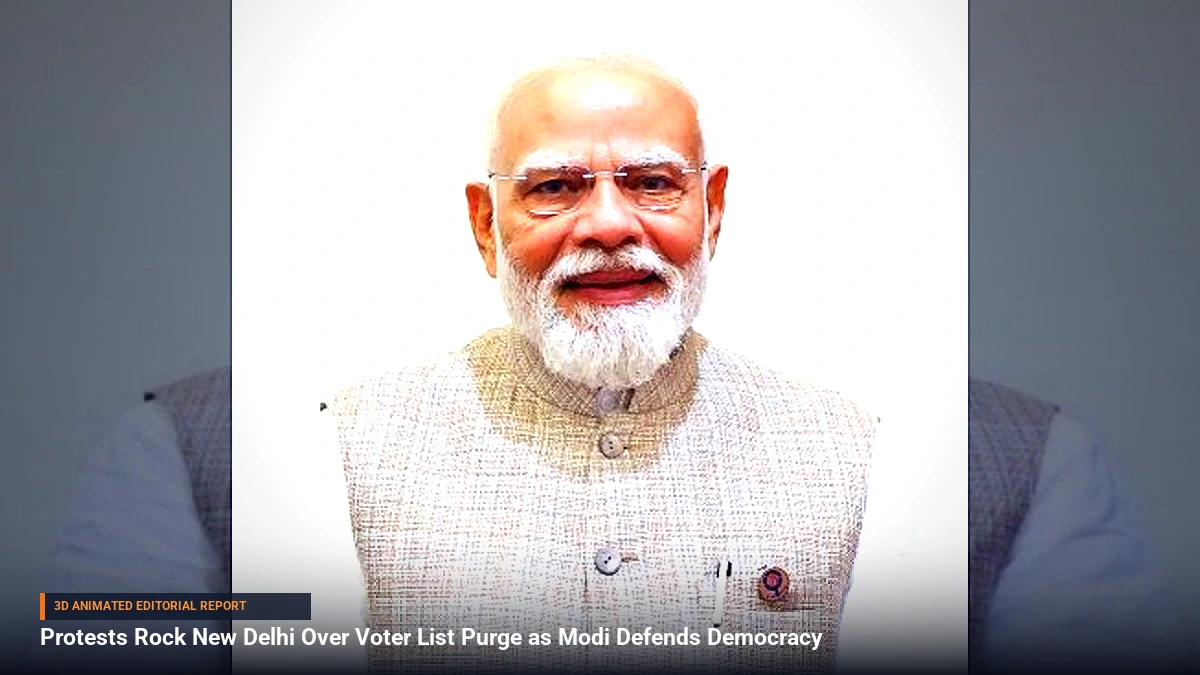
What Happened: The Core Developments
Tensions have reached a boiling point in the heart of India's capital as opposition parties and civic movements descend upon New Delhi. Demonstrators have flooded major thoroughfares to protest what they characterize as a systematic voter list purge designed to disenfranchise opposition-leaning constituencies.
Protesters, operating under civic banners including the so-called 'Cockroach' movement, are actively demanding the resignation of key election officials and transparency in electoral roll management. The demonstrations have met with a heavy security footprint, resulting in widespread police interventions, thousands of detentions, and a tense standoff between civil society and state authorities.
Background & Key Context
Electoral integrity has long been a fiercely contested arena in the world's largest democracy. The latest wave of discontent follows mounting allegations from political opponents that administrative changes to electoral databases disproportionately strip marginalized and opposition-aligned voters from registries. Critics argue that these manipulations directly benefit Prime Minister Narendra Modi’s ruling party.
Simultaneously, the administration has doubled down on its national and international narrative. Addressing a high-profile conclave in New Delhi, PM Modi forcefully defended the nation's governance model, declaring India to be the 'mother of democracy.' He emphasized that the country thrives on open debate and democratic values, creating a stark paradox between official rhetoric and the scenes playing out on the capital's streets.
Key Takeaways
- Capital Demonstrations: Opposition parties and grassroots groups have launched intense street marches in New Delhi to protest alleged voter roll tampering.
- Allegations of Bias: Protesters assert that the systemic purging of voter lists unfairly tilts electoral advantages toward Prime Minister Narendra Modi’s party.
- Government Defense: PM Modi recently proclaimed India the 'mother of democracy,' maintaining that national issues are continuously resolved through robust democratic debate.
- Mass Detentions: Law enforcement agencies in New Delhi have responded aggressively, detaining thousands of activists and movement leaders.
- Civic Resistance: The unfolding events reflect broader public frustrations, highlighting what analysts describe as India's resilient yet fractured political landscape.
Impact, Analysis & Global/National Reactions
The dual narrative of a vibrant democracy on the global stage versus domestic suppression has drawn sharp international and domestic scrutiny. Civil rights organizations warn that administrative purges of voter rolls undermine the foundational pillars of free and fair elections.
"When basic electoral trust is eroded by perceived institutional capture, the democratic fabric frays," note political analysts tracking the unrest. Conversely, government defenders argue that routine list updates are administrative necessities designed to remove duplicate or deceased voters, dismissing opposition claims as politically motivated panic.
What's Next: Looking Ahead
As the 'Cockroach' protests and opposition marches continue to gain momentum, all eyes turn toward the Election Commission of India for an official response to the transparency demands. Political stakeholders are preparing for prolonged legal and legislative battles ahead of upcoming electoral cycles. The capacity of institutions to restore public confidence in voter databases will likely dictate the political temperature in New Delhi for the foreseeable future.
Be the first to comment
Start a useful conversation around this story.