
What Happened: The Core Developments
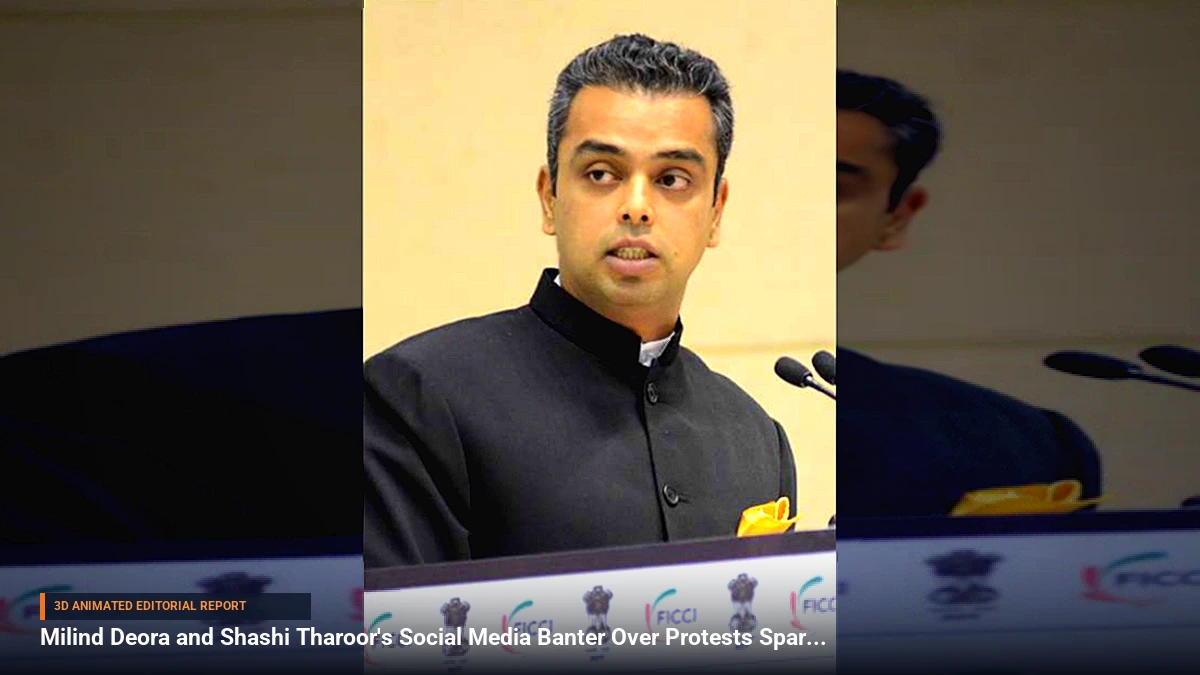
In an unexpected digital interaction, prominent Indian politicians Milind Deora and Shashi Tharoor engaged in a witty exchange on social media regarding ongoing protests and political demonstrations. The conversation initially kicked off following a post by Milind Deora that referenced a seismic earthquake event in Panama.
What began as a geographical observation quickly pivoted into a metaphorical discussion on political movements, street protests, and institutional shifts. The online banter immediately caught the attention of digital observers, political analysts, and the general public, demonstrating how modern politicians utilize wit and wordplay to navigate sensitive topics online.
Background & Key Context
Digital platforms have increasingly become the primary arena for political engagement, allowing leaders to bypass traditional communication channels and speak directly to constituents. Both Deora and Tharoor are known for their active presence on social media networks, frequently leveraging humor, articulate vocabulary, and timely commentary to capture public interest.
Political banter between cross-party or ideologically distinct figures is not entirely unprecedented, but it offers a unique lens into how interpersonal dynamics play out publicly. While severe political disagreements often dominate the news cycle, moments of shared humor or clever linguistic play provide a different dimension to public discourse.
Key Takeaways
- The Catalyst: The social media exchange started after Milind Deora posted about an earthquake in Panama.
- Digital Engagement: Shashi Tharoor joined the conversation, leading to lighthearted banter connecting tectonic shifts to political protests.
- Public Reaction: The interaction rapidly gained traction across social media platforms, sparking commentary from political watchers.
- Communication Evolution: Highlights the growing trend of politicians using informal, witty online dialogue to engage audiences.
Impact, Analysis & Global/National Reactions
Analysts note that while the exchange was jovial in tone, it underscores the constant scrutiny under which public figures operate online. Every post, metaphor, and reply is dissected by followers and media outlets alike, transforming casual commentary into subjects of widespread news coverage.
Observers have pointed out that lighthearted interactions can humanize politicians, bridging divides in an otherwise polarized environment. However, critics often caution that reducing complex socio-political protests to social media banter risks trivializing serious civic grievances.
What's Next: Looking Ahead
As digital campaigning and social media strategy continue to dictate the pace of modern politics, interactions of this nature are expected to become even more frequent. Stakeholders and political strategists will continue monitoring how leaders balance serious governance with digital engagement, ensuring that online wit does not overshadow substantive policy debates.
Be the first to comment
Start a useful conversation around this story.