
What Happened: The Core Developments
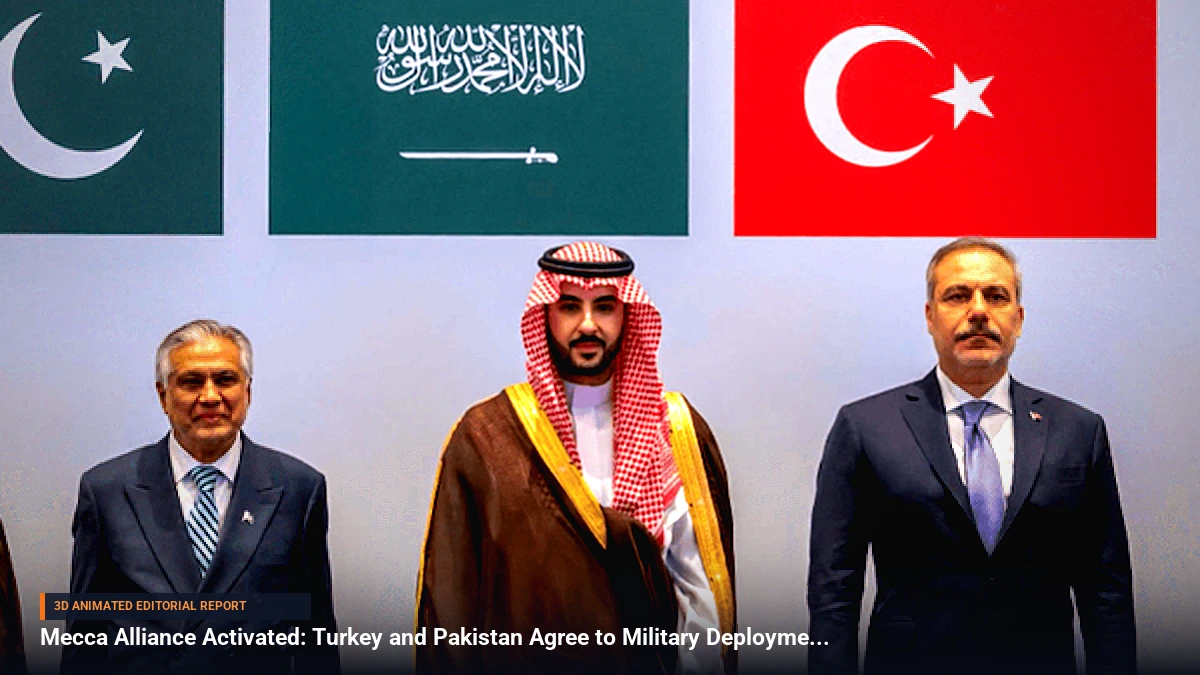
In a decisive move that reshapes security dynamics across the Middle East and South Asia, Turkiye, Pakistan, and Saudi Arabia have formally agreed to activate collective deterrence measures under the newly prominent Mecca Alliance. The high-stakes agreement involves direct military deployments to the Kingdom of Saudi Arabia, designed to fortify regional defenses and project a unified front against escalating security threats.
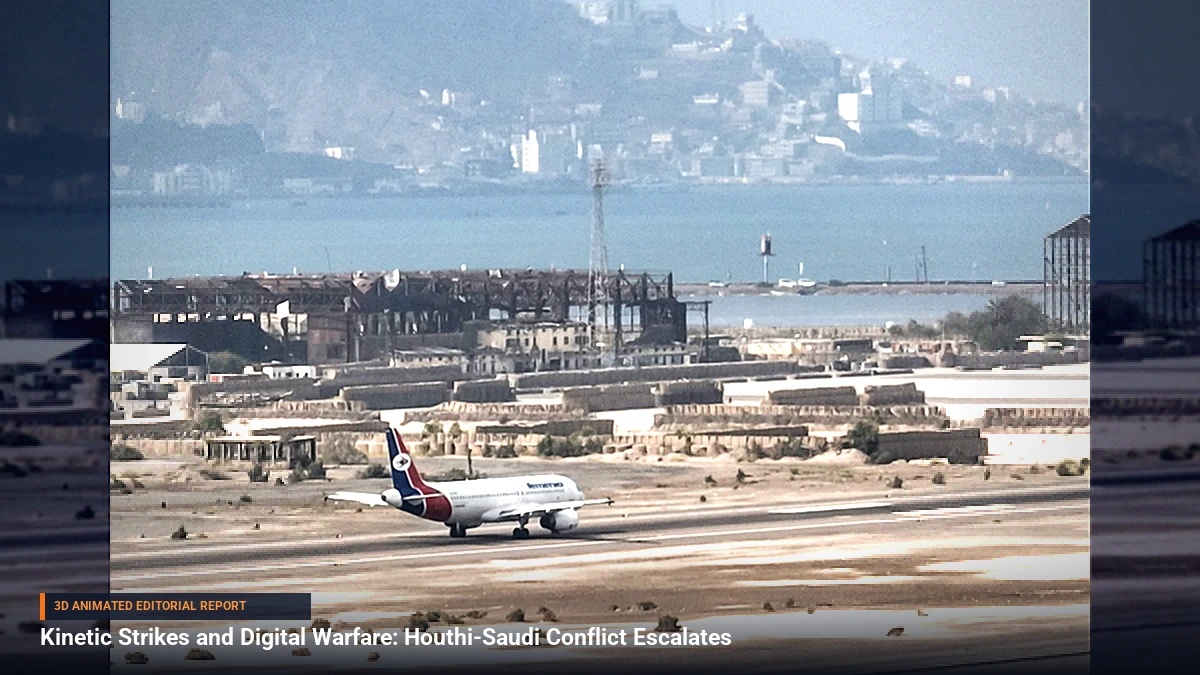
The swift activation of the defense pact comes as a direct response to a series of aggressive and persistent assaults by Yemen’s Houthi movement targeting Saudi territory. Officials confirmed that the coordinating committee for the Mecca pact convened in Riyadh to operationalize the strategic framework, transitioning the alliance from a diplomatic framework into an active operational partnership.
Background & Key Context
The formalization of the Mecca Alliance marks a fascinating evolution in cross-regional military cooperation. Historically, security architectures in the Middle East have relied heavily on Western guarantees or bilateral partnerships. However, the convergence of Turkish military industrial capabilities, Pakistan's extensive conventional military expertise, and Saudi Arabia's strategic leadership creates a formidable indigenous defense axis.
Relations among the three nations have experienced steady consolidation over recent years, driven by shared economic interests and a mutual desire for strategic autonomy. The escalation of cross-border attacks from Yemen provided the critical catalyst needed to operationalize a collective defense mechanism that had previously been discussed primarily in diplomatic corridors.
Key Takeaways
- Tripartite Defense Pact: Turkiye, Pakistan, and Saudi Arabia have formally activated the Mecca Alliance to counter escalating regional threats.
- Direct Military Deployment: The agreement includes concrete military deployments from allied nations to Saudi soil to enhance territorial defense.
- Catalyst for Action: The activation was triggered directly by a series of relentless attacks launched by Yemen’s Houthi forces against the Kingdom.
- Strategic Committee Convening: High-level stakeholders and committee members gathered in Riyadh to establish immediate operational protocols.
- Geopolitical Realignment: The pact represents a major step toward indigenous, multi-regional security frameworks independent of traditional Western oversight.
Impact, Analysis & Global/National Reactions
International defense analysts are closely monitoring the unfolding situation, noting that the deployment represents a historic milestone—particularly for Pakistan, which is stepping up its direct security footprint in the Gulf. By institutionalizing mutual defense, the alliance signals to regional adversaries that aggression against one member state will be met with a coordinated, multi-national response.
While specific troop numbers and deployment timelines remain tightly guarded operational details, the political message is unmistakable. Regional stakeholders have signaled that they are prepared to take collective ownership of their security architecture. Markets and diplomatic channels have reacted cautiously, weighing the potential for immediate deterrence against the risk of broader regional escalation.
What's Next: Looking Ahead
As the Mecca Alliance committee finalizes its operational roadmap in Riyadh, all eyes will be on the ground to observe the practical implementation of the military deployments. Observers expect further announcements detailing joint command structures, aerospace defense integration, and the precise scope of the collective deterrence measures. The coming weeks will test the operational readiness of the coalition and set a new precedent for security cooperation across the Islamic world.




Be the first to comment
Start a useful conversation around this story.