
What Happened: The Core Developments
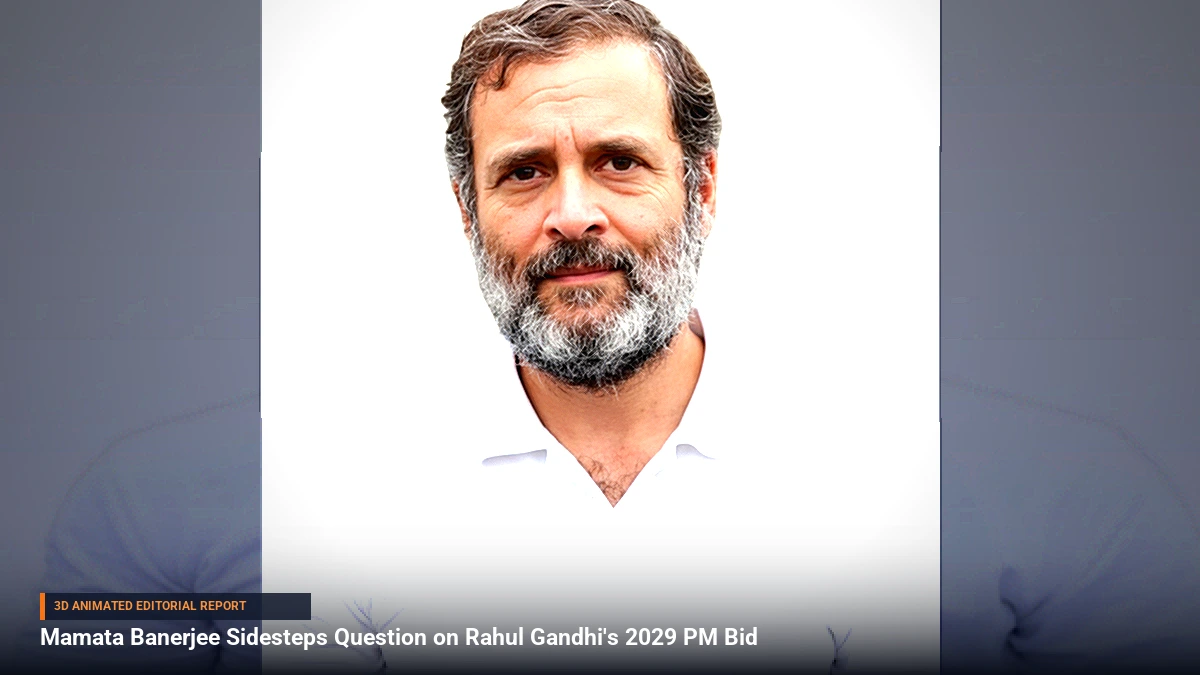
During a recent media interaction that drew intense national attention, West Bengal Chief Minister and Trinamool Congress (TMC) supremo Mamata Banerjee was directly asked if she would support Congress leader Rahul Gandhi as the prime ministerial candidate for the opposition bloc in the upcoming 2029 general election. Rather than offering a definitive commitment or an outright dismissal, Banerjee adroitly sidestepped the question.
Her calculated response underscores the ongoing fluidity within the anti-BJP opposition alliance. While regional leaders have consistently emphasized the necessity of a united front to challenge the ruling establishment at the national level, projecting a single, pre-determined leadership face years ahead of an electoral cycle remains a contentious and carefully managed subject.
Background & Key Context
The dynamics within the opposition coalition—collectively known as the INDIA bloc—have experienced numerous phases of negotiation, tactical alignment, and internal friction. Previous high-level meetings of the coalition have showcased both public displays of camaraderie, such as notable interactions between senior Congress leadership and regional figureheads, and underlying tensions regarding seat-sharing and leadership hierarchy.
Regional chieftains like Banerjee have historically prioritized state-level supremacy and operational autonomy, making premature endorsements for national leadership positions a rare occurrence. By keeping her options open regarding 2029, Banerjee retains crucial bargaining power and ensures that the TMC's regional clout is neither marginalized nor taken for granted by national partners.
Key Takeaways
- Calculated Ambiguity: Mamata Banerjee chose not to commit to Rahul Gandhi as the opposition's prime ministerial face for 2029.
- Strategic Autonomy: The response highlights regional leaders' desires to maintain leverage and independence within broader coalition frameworks.
- Alliance Unity vs. Leadership Projection: The INDIA bloc faces the perpetual challenge of balancing immediate anti-BJP collaboration with long-term leadership ambitions.
- Electoral Horizon: With the 2029 general election years away, parties are currently prioritizing ground-level organization and immediate state polls over premature national projections.
Impact, Analysis & Global/National Reactions
Political analysts view Banerjee’s hesitation as a textbook demonstration of pragmatic federal politics. In coalitions comprising powerful regional potentates, premature coronation of any single leader can alienate alternate contenders and disrupt fragile local equations.
While senior Congress figures and supporting allies continue to advocate for unified messaging and centralized leadership, regional partners frequently argue that collective leadership or a post-poll consensus is a more viable path forward. This tactical divide allows opposition parties to cooperate on legislative and electoral fronts without binding themselves to a rigid national hierarchy prematurely.
What's Next: Looking Ahead
As political parties pivot toward upcoming state-level electoral battles and organizational restructuring, discussions surrounding the 2029 national leadership are expected to remain fluid. The INDIA bloc's immediate focus will likely center on localized seat-sharing arrangements, policy coordination, and strengthening grassroots momentum rather than finalizing a definitive prime ministerial candidate.
Observers will monitor how regional stalwarts like Banerjee navigate upcoming national strategy sessions and whether the alliance moves toward establishing a formal consensus mechanism for leadership projection as the electoral horizon draws closer.

Be the first to comment
Start a useful conversation around this story.