
What Happened: The Core Developments
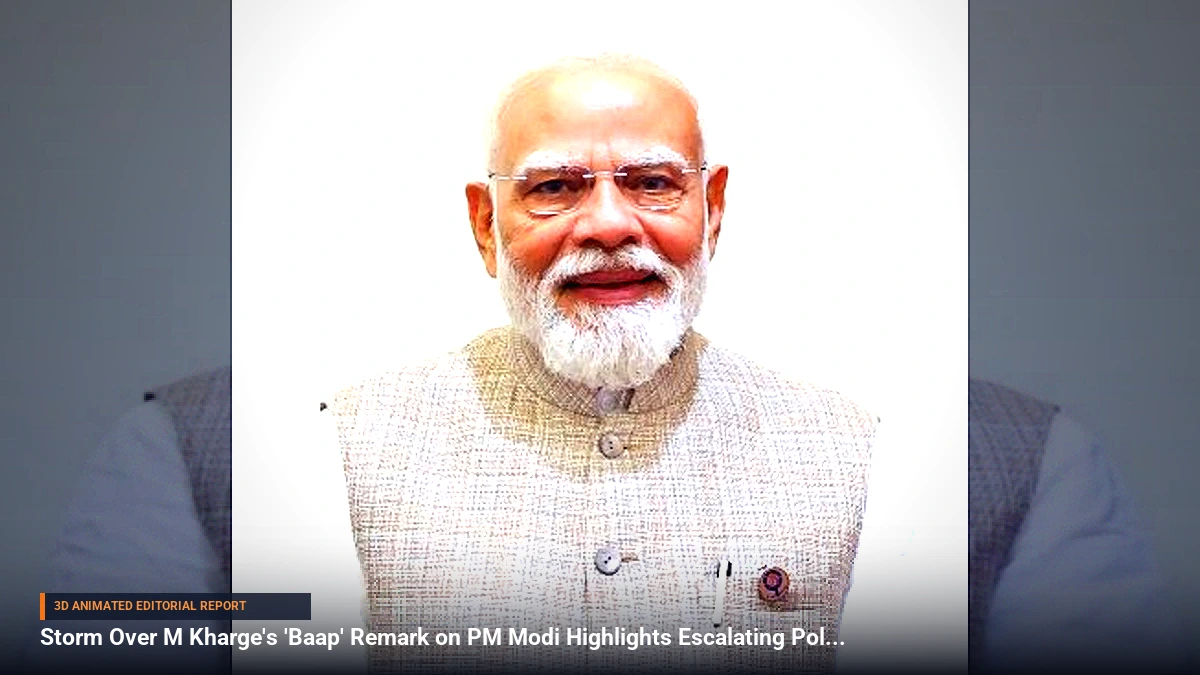
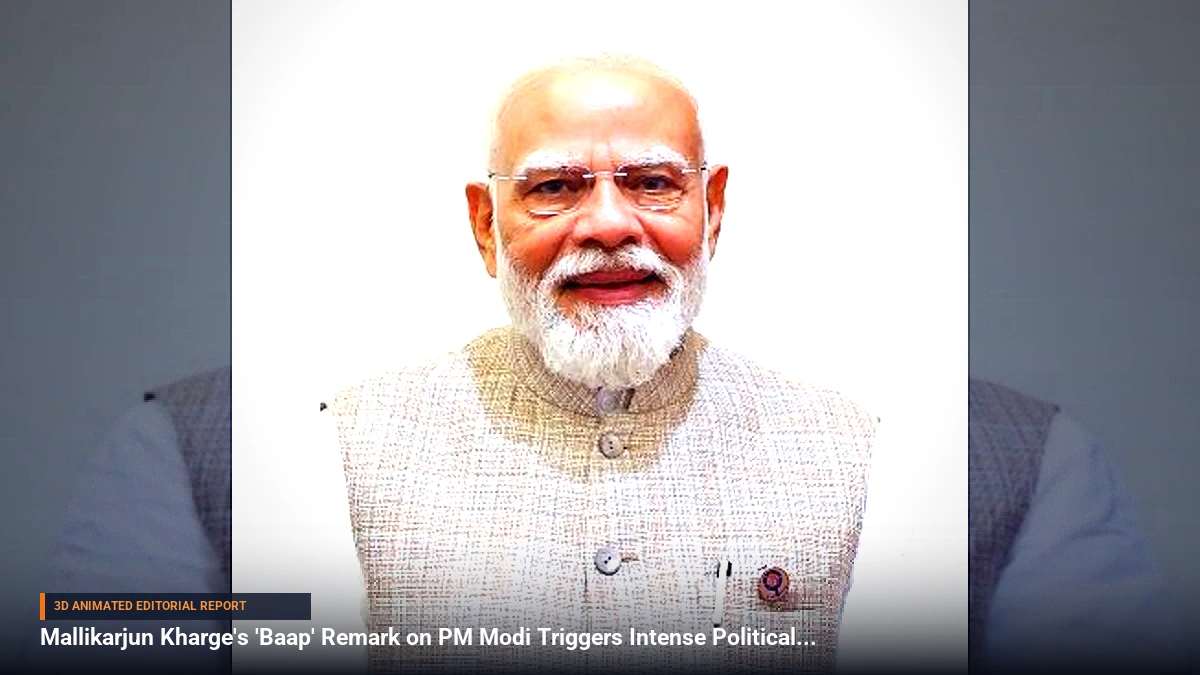
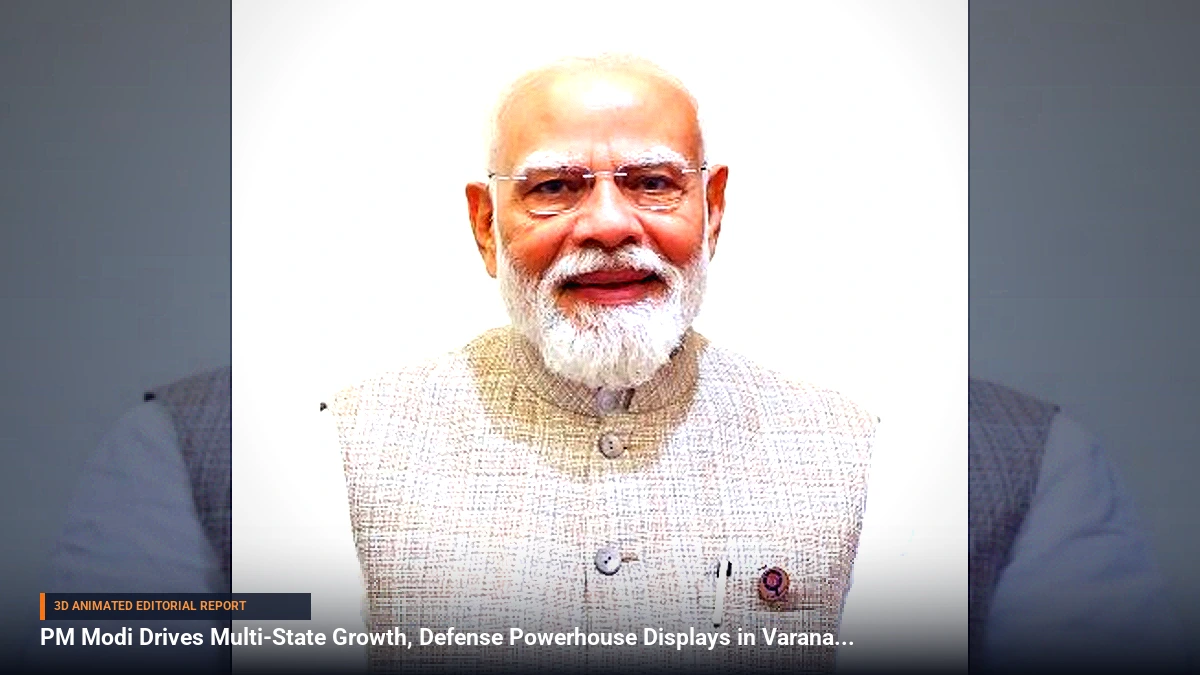
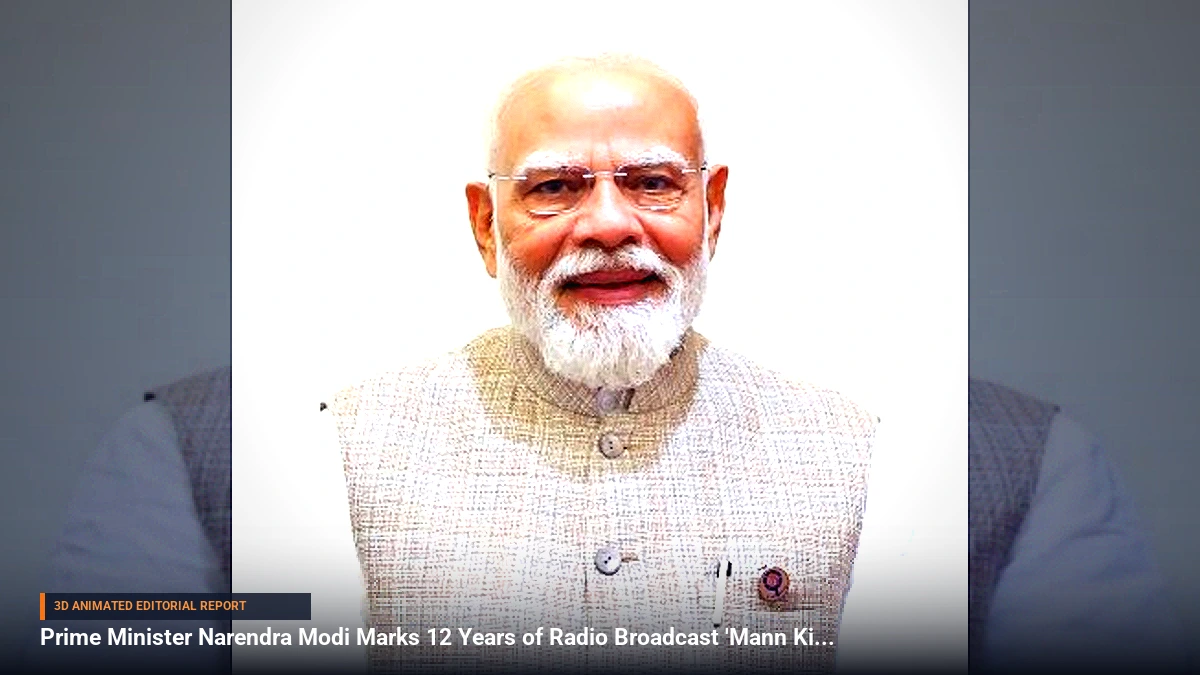
A fresh political confrontation has erupted in Indian politics following a controversial remark made by Congress President Mallikarjun Kharge. During a public address, Kharge used an expression involving the word 'baap' directed at Prime Minister Narendra Modi, immediately drawing sharp reactions from the ruling Bharatiya Janata Party (BJP).
The comment swiftly dominated media cycles, triggering fierce debates across television networks and social media platforms. While opposition circles offered varying interpretations and dismissed the controversy as a potential misunderstanding, the ruling dispensation launched an all-out offensive, arguing that the remark crossed foundational lines of political decorum and respect for the highest office in the country.
Background & Key Context
Verbal escalations between the grand old party and the ruling establishment are hardly unprecedented, but the frequency of personalized attacks has markedly intensified in recent years. Mallikarjun Kharge, a veteran parliamentarian and seasoned politician, has previously found himself at the center of intense political rows over sharp characterizations of Prime Minister Modi.
Over successive electoral cycles, political discourse in India has increasingly gravitated toward aggressive personal jibs, overshadowing policy-centric debates on economic growth, foreign policy, and legislative agendas. The latest controversy fits into a broader historical pattern where ideological battles frequently manifest as direct clashes between top leadership figures, resulting in polarized public reactions and entrenched partisan stances.
Key Takeaways
- The Controversial Remark: Congress chief Mallikarjun Kharge sparked a national debate with a speech featuring a 'baap' jibe directed at PM Narendra Modi.
- BJP's Fierce Backlash: The ruling party strongly condemned the comment, with prominent BJP leaders drawing mythological comparisons to criticize Kharge's language.
- Pattern of Escalation: This incident represents the latest addition to a long line of sharp rhetorical exchanges between opposition leaders and the Prime Minister.
- Differing Interpretations: While critics argue the statement was a deliberate and derogatory political attack, defenders have attempted to frame it as a linguistic misunderstanding.
- Impact on Discourse: The recurring focus on personal rhetoric continues to divert public attention away from substantive governance and policy debates.
Impact, Analysis & Global/National Reactions
The immediate aftermath of the remark saw senior BJP figures swiftly stepping forward to denounce the Congress leadership. In a scathing reaction, a prominent BJP leader likened Kharge's political demeanor to Duryodhana, the iconic villainous character from the ancient Hindu epic Mahabharata, symbolizing arrogance and political decay.
Political analysts suggest that such rhetorical escalations are strategically calculated by both sides to galvanize their respective voter bases. For the ruling party, highlighting aggressive opposition rhetoric serves to reinforce the narrative of a besieged leader working tirelessly against entrenched political adversaries. Conversely, opposition parties often deploy aggressive critiques to project fearlessness and assert political resistance against a dominant executive.
However, civil society and neutral observers have repeatedly expressed concern that the continuous degradation of political vocabulary lowers the standard of democratic debate. When personal invective replaces policy critique, the electorate is left with polarized soundbites rather than substantive evaluations of governance.
What's Next: Looking Ahead
As political temperatures remain elevated, this controversy is expected to echo through upcoming parliamentary sessions and regional campaign trails. Both the BJP and the Congress party are likely to leverage the incident to mobilize grassroots support ahead of future electoral battles.
Stakeholders and political watchers will be closely monitoring whether political parties choose to moderate their language or if the rhetoric will escalate further as electoral stakes grow higher. Ultimately, the onus remains on political leaders to steer national discourse back toward constructive dialogue and accountability.

Be the first to comment
Start a useful conversation around this story.