
What Happened: The Core Developments
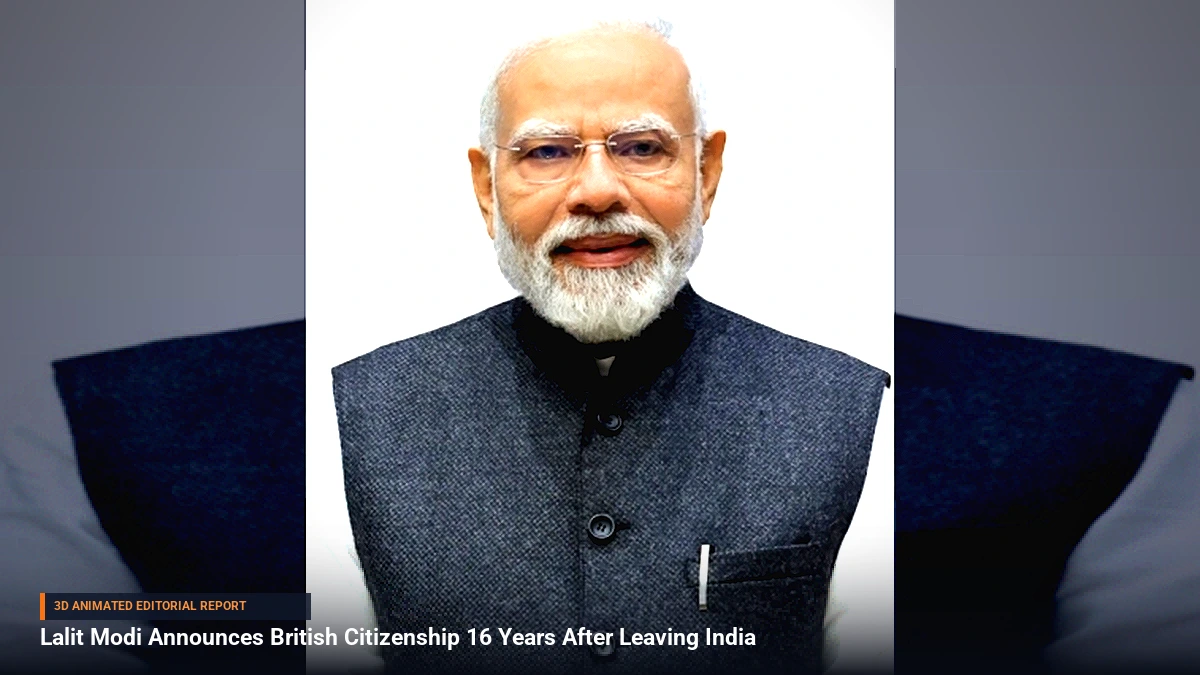
Former Indian Premier League (IPL) commissioner Lalit Modi has officially announced that he has acquired British citizenship, bringing a new layer of permanence to his prolonged stay overseas. Modi revealed the milestone during a public appearance, characterizing the transition as a special and deeply personal step after residing in the United Kingdom for over a decade and a half.
The development formalizes his long-term presence in Europe, turning what was once transient exile into legally recognized settlement. Modi has consistently maintained his innocence regarding various financial investigations initiated against him by Indian authorities, asserting that he faces no legitimate criminal or financial liabilities.
Background & Key Context
Lalit Modi left India in 2010 amid mounting regulatory scrutiny, investigations by the Enforcement Directorate (ED), and controversies surrounding the governance and financial transparency of the Indian Premier League. As the visionary architect who launched the lucrative T20 cricket league in 2008, Modi's abrupt exit and subsequent relocation to London marked a dramatic fall from grace within Indian sports administration.
Over the past 16 years, Indian authorities have periodically pursued various diplomatic and legal avenues aimed at securing his return to face questioning regarding financial irregularities and FEMA (Foreign Exchange Management Act) violations. However, protracted legal frameworks, complex extradition treaties, and the intricacies of international asylum and residency laws have continuously delayed or complicated these efforts.
Key Takeaways
- Official Status: Lalit Modi has successfully acquired British citizenship 16 years after leaving India.
- Personal Milestone: Modi publicly referred to the UK as his home for many years, calling the naturalization a significant new chapter.
- Historical Departure: Modi exited India in 2010 in the wake of intense probes surrounding the founding and administration of the IPL.
- Legal Standpoint: Modi continues to maintain that he has no active legal cases or valid convictions against him anywhere.
- Public and Diplomatic Reaction: The announcement has sparked renewed public debate across Indian media circles regarding the mechanics of international extradition for high-net-worth individuals residing abroad.
Impact, Analysis & Global/National Reactions
The acquisition of British citizenship by a high-profile economic fugitive introduces substantial complexities into ongoing accountability narratives. Legal analysts note that securing citizenship in a foreign jurisdiction can alter the dynamics of international judicial cooperation, potentially complicating any pending extradition requests or mutual legal assistance treaties (MLAT) between New Delhi and London.
Public reaction on social media and across political commentary platforms has been sharply divided. Critics have frequently pointed to cases like Modi's as illustrative of the challenges developing nations face when attempting to repatriate individuals facing financial probes. Conversely, supporters and legal representatives maintain that every individual is entitled to pursue legal residency and citizenship rights in accordance with the domestic laws of their adopted countries.
What's Next: Looking Ahead
As this new status takes effect, legal experts will closely monitor whether Indian investigative agencies alter their strategies regarding pending red notices or extradition requests. While acquiring citizenship in a democratic nation like the United Kingdom does not grant absolute immunity from legitimate international criminal warrants, it frequently introduces substantial procedural hurdles that can prolong legal battles indefinitely. Stakeholders across sports administration, legal compliance, and international diplomacy will continue to observe how these cross-border jurisdictional frameworks evolve.



Be the first to comment
Start a useful conversation around this story.