

What Happened: The Core Developments
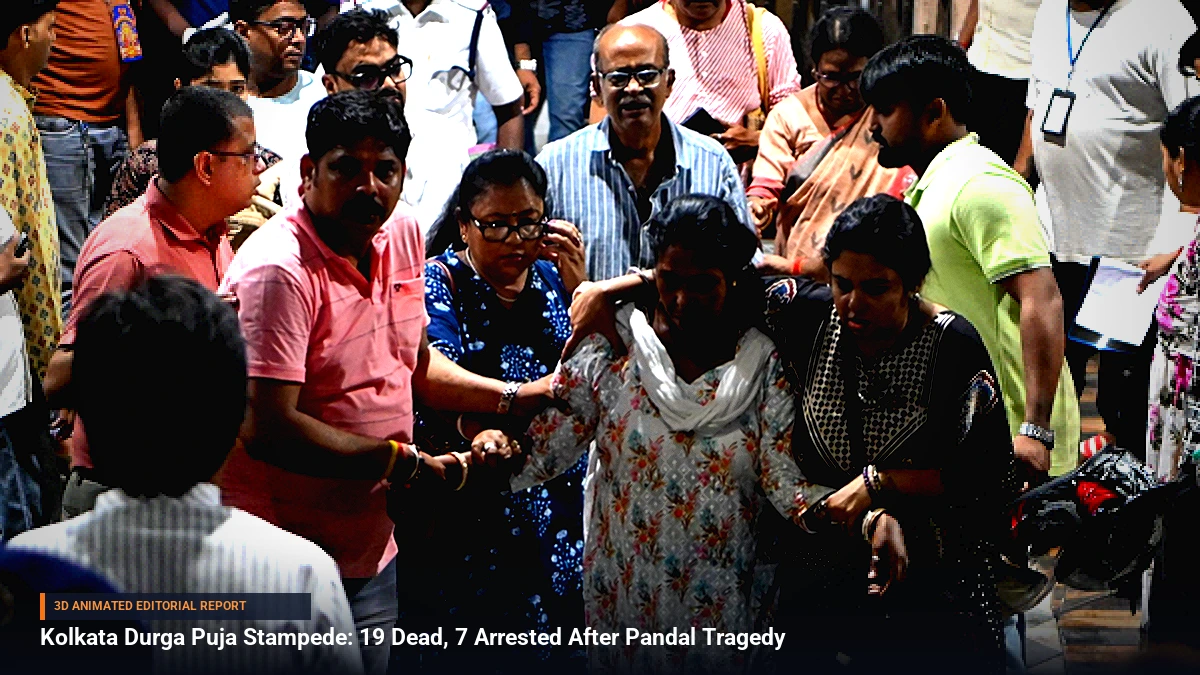
A night of vibrant celebration turned into an unimaginable tragedy when a devastating stampede erupted at a prominent Durga Puja pandal in Kolkata. The sudden surge of panic resulted in the deaths of 19 individuals, plunging the city into mourning and triggering urgent investigations into how a mass gathering could deteriorate so rapidly.
Preliminary video footage recovered from the scene has provided chilling insight into the catalyst for the disaster. The recordings capture a public address system warning that the 'pandal will collapse', a terrifying announcement that instantly broke the festive mood, sent thousands scrambling toward narrow exits, and sparked the fatal crush.
Background & Key Context
Durga Puja is one of the subcontinent's largest and most culturally significant festivals, drawing millions of devotees onto the streets of West Bengal and particularly Kolkata. The sheer density of foot traffic creates immense logistical challenges for local authorities, event organizers, and security personnel.
While temporary structures, or pandals, are architecturally ambitious, they often struggle to safely manage the sheer volume of visitors during peak hours. Past celebrations have repeatedly highlighted the delicate balance between crowd enthusiasm and infrastructure capacity, making this latest incident part of a troubling historical pattern of festival-related safety failures.
Key Takeaways
- Massive Casualties: A total of 19 people lost their lives in the stampede at the Kolkata Durga Puja pandal.
- Triggering Event: Video evidence indicates a broadcast warning about a potential structural collapse sparked the immediate panic.
- Political Response: Chief Minister Adhikari announced a direct outreach plan to visit victims' families at their homes to deliver compensation cheques personally.
- Safety Infrastructure Deficits: The tragedy has renewed intense scrutiny over emergency exit pathways, crowd flow regulation, and the vetting of public announcements.
Impact, Analysis & Global/National Reactions
The disaster has sent shockwaves through the political and social fabric of West Bengal. Chief Minister Adhikari faced immediate pressure to manage both the emotional fallout and political friction, with critics and opposition voices debating the state government's crisis response and long-term festival safety frameworks.
Civil safety experts note that human behavior in high-density environments is highly susceptible to auditory triggers. A single unverified warning shouted or broadcast over a loudspeaker can override rational crowd movement, turning orderly queues into chaotic bottlenecks within seconds. Institutional responses have emphasized the urgent need for standardized protocols regarding emergency communications during mass gatherings to prevent similar psychological tipping points.
What's Next: Looking Ahead
Authorities are facing mounting demands for transparent inquiries into the exact sequence of events that led to the stampede. Future policy decisions are expected to focus heavily on tightening regulations for temporary mega-structures, mandating professional crowd-control training for event organizers, and strictly monitoring audio systems to prevent unauthorized or panic-inducing announcements during major religious and cultural celebrations.



Be the first to comment
Start a useful conversation around this story.