
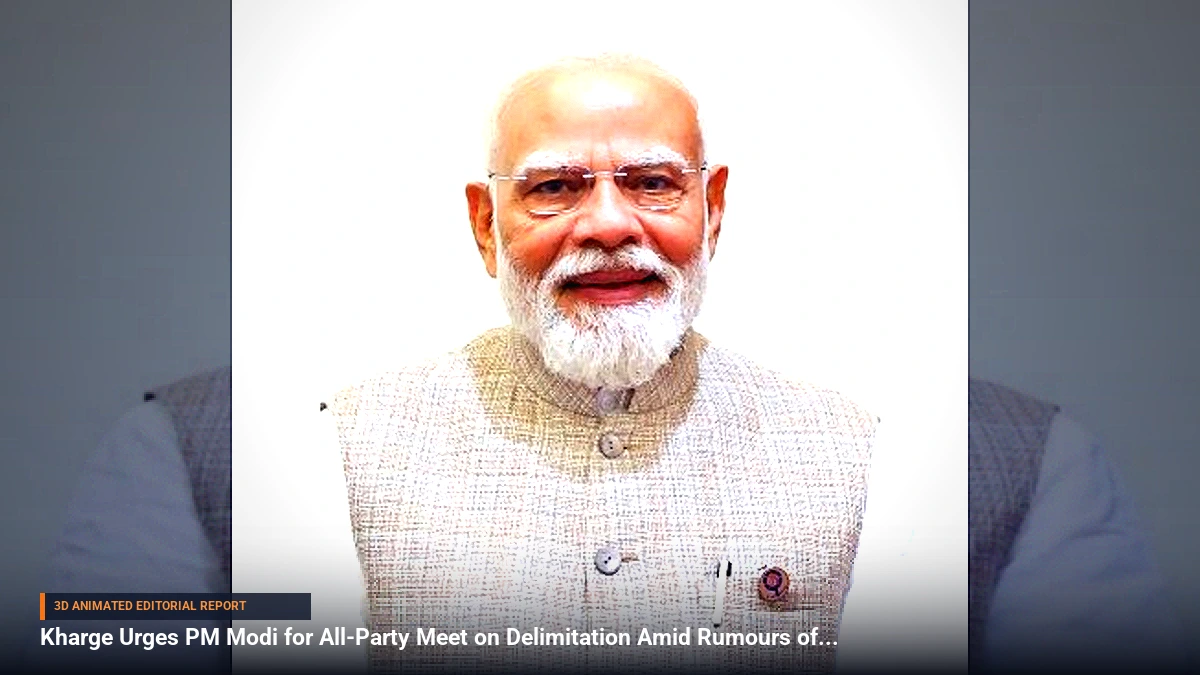
What Happened: The Core Developments
In a strongly worded communication addressed to Prime Minister Narendra Modi, senior political leader Mallikarjun Kharge has formally demanded an immediate all-party meeting. The primary objective of this proposed consultation is to debate forthcoming delimitation proposals and constitutional amendments in an open legislative forum.
Reports have increasingly suggested that the administration is laying the groundwork for a special parliamentary session later in the month. This potential session aims to secure the legislative passage of landmark measures, including critical women's quota and delimitation bills. While informal outreach efforts have reportedly begun with regional factions like the DMK to gather requisite backing, the opposition maintains that critical structural reforms require deep, structured consensus rather than expedited approvals.
Background & Key Context
Delimitation—the process of redrawing electoral constituency boundaries based on changing populations—holds profound political and federal ramifications in a diverse democracy like India. Shifts in representation threaten to tilt the political balance between different states, notably raising anxieties among southern states that have successfully managed population growth compared to their northern counterparts.
Compounding these legislative tensions is a distinct procedural anomaly highlighted in Kharge’s letter. Pointing out administrative timelines, the communication noted that an extensive 64 days had elapsed since the conclusion of the Monsoon Session on August 13, with both Houses of Parliament remaining unprorogued. Critics argue that keeping parliamentary sessions technically active without convening proper debates undermines democratic accountability and bypasses standard legislative scrutiny.
Key Takeaways
- Call for Consultation: Mallikarjun Kharge formally requested Prime Minister Modi to convene an all-party meeting regarding delimitation.
- Procedural Concerns: The letter highlights that 64 days have passed since the Monsoon Session adjourned sine die, yet both legislative houses remain unprorogued.
- Special Session Rumours: Indications point toward an impending special session aimed at pushing through crucial constitutional amendment bills.
- Strategic Outreach: The government has reportedly initiated backdoor channels and outreach efforts with regional entities like the DMK to build consensus.
- Federal Anxieties: Delimitation proposals face intense scrutiny over their potential impact on regional representation and the federal balance.
Impact, Analysis & Global/National Reactions
The friction over upcoming constitutional amendments reflects a classic institutional tug-of-war between executive urgency and legislative deliberation. For regional political stakeholders, any redrawing of constituencies is not merely an administrative exercise but a fundamental test of federal equity. Observers note that pushing major structural reforms without adequate cross-party consensus risks deepening regional polarization.
While the administration defends its push to modernize legislative frameworks and fulfill long-pending policy goals, critics argue that bypassing deep committee-level scrutiny compromises democratic transparency. Analysts emphasize that building lasting legislative architecture requires accommodating diverse regional viewpoints rather than forcing rushed parliamentary votes.
What's Next: Looking Ahead
All eyes are now turned toward the executive branch to see if the Prime Minister's Office will heed the opposition's call for an all-party dialogue or proceed with summoning a special parliamentary session. Stakeholders across various states will closely monitor the fine print of any tabled delimitation bills, as the legislative text will dictate the future contours of India's electoral map and federal power dynamics for decades to come.
Be the first to comment
Start a useful conversation around this story.