
What Happened: The Core Developments
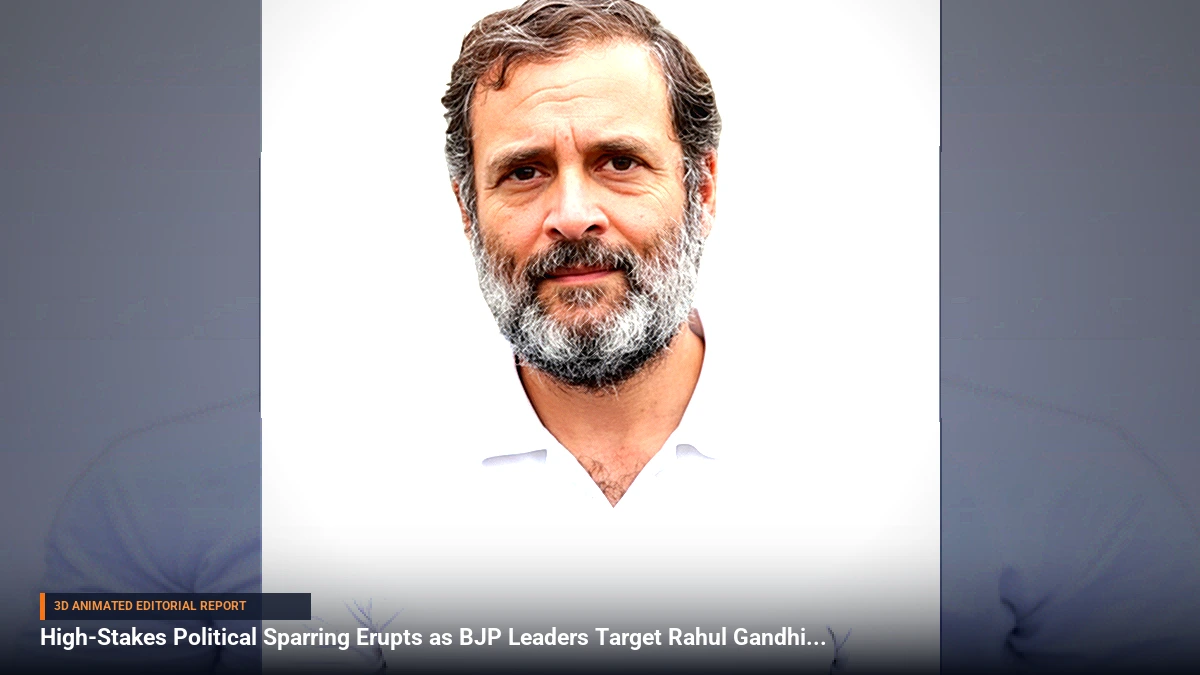
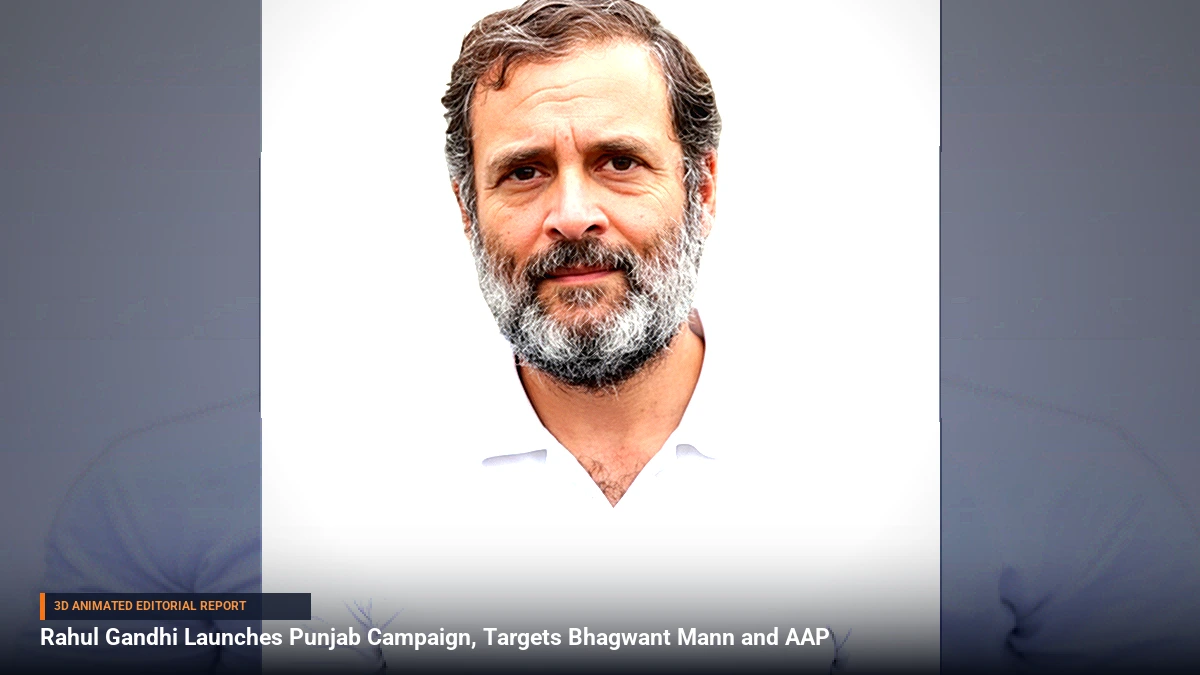
A multi-pronged political confrontation unfolded as senior members of the ruling BJP administration launched aggressive verbal volleys against Congress leader Rahul Gandhi. The friction intensified following Gandhi's aggressive election campaign launch in Punjab. During his rallies, the senior Congress leader targeted Punjab Chief Minister Bhagwant Mann, raising controversial local issues, including the state's escalating drug menace, systemic gangsterism, and law enforcement challenges.
Simultaneously, local and national BJP leaders shifted the focus back onto the opposition, demanding immediate accountability regarding historical controversies. Punjab BJP figures aggressively targeted Gandhi, organizing events such as the 'Zakhm 84 De' conclave and demanding an unconditional apology from the Gandhi family for the 1984 anti-Sikh riots.
Background & Key Context
The ongoing political friction reflects deep-seated historical grievances and ongoing electoral battlelines in Indian politics. Punjab remains a sensitive political battleground where historical tragedies, particularly the 1984 anti-Sikh riots, continue to resonate deeply with local electorates. Concurrently, opposition leaders have sought to capitalize on regional grievances against the ruling Aam Aadmi Party (AAP) government in Punjab, focusing heavily on public safety and substance abuse crises.
At the national level, the BJP leadership has consistently leveraged historical accountability and national electoral metrics to challenge the Congress party's leadership narrative. Union Minister Amit Shah pointedly referenced past electoral cycles to counter the opposition's momentum, while Union Minister Kiren Rijiju offered a sarcastic list of recommendations aimed at reshaping the opposition strategy.
Key Takeaways
- Electoral Pushback: Union Minister Amit Shah publicly dismissed Rahul Gandhi's political trajectory, underscoring consecutive general election defeats in 2014, 2019, and 2024.
- Punjab Campaign Focus: Rahul Gandhi's recent campaign stops in Punjab focused heavily on local vulnerabilities, including the drug crisis, gangster networks, and direct criticisms of Chief Minister Bhagwant Mann.
- Historical Accountability: Punjab BJP leaders intensified pressure on the Congress leadership, organizing the 'Zakhm 84 De' conclave to demand apologies for the 1984 anti-Sikh massacre.
- National Strategy Advice: Union Minister Kiren Rijiju issued a structured seven-point advice list for Rahul Gandhi, suggesting he limit foreign travel and spend more time addressing domestic concerns to improve parliamentary performance.
Impact, Analysis & Global/National Reactions
The intense rhetoric highlights the relentless pace of political polarization in India as parties prepare for upcoming regional and national milestones. Analysts note that while the opposition attempts to build grassroots momentum by addressing localized crises like drug abuse and governance failures, the ruling coalition continues to successfully pivot the narrative toward historical missteps and leadership credibility.
Institutional responses from the ruling party emphasize a dual strategy: dismantling the opposition's regional messaging while reinforcing a narrative of consistent electoral dominance. BJP leaders maintained that domestic engagement and historical accountability remain prerequisites for any credible opposition challenge.
What's Next: Looking Ahead
As political parties ramp up their grassroots mobilization efforts in key states like Punjab, observers expect the rhetoric to sharpen further. The ongoing debate over regional governance failures versus historical political accountability is anticipated to dominate upcoming legislative sessions and campaign trails, setting the stage for highly contentious electoral contests ahead.

Be the first to comment
Start a useful conversation around this story.