
What Happened: The Core Developments
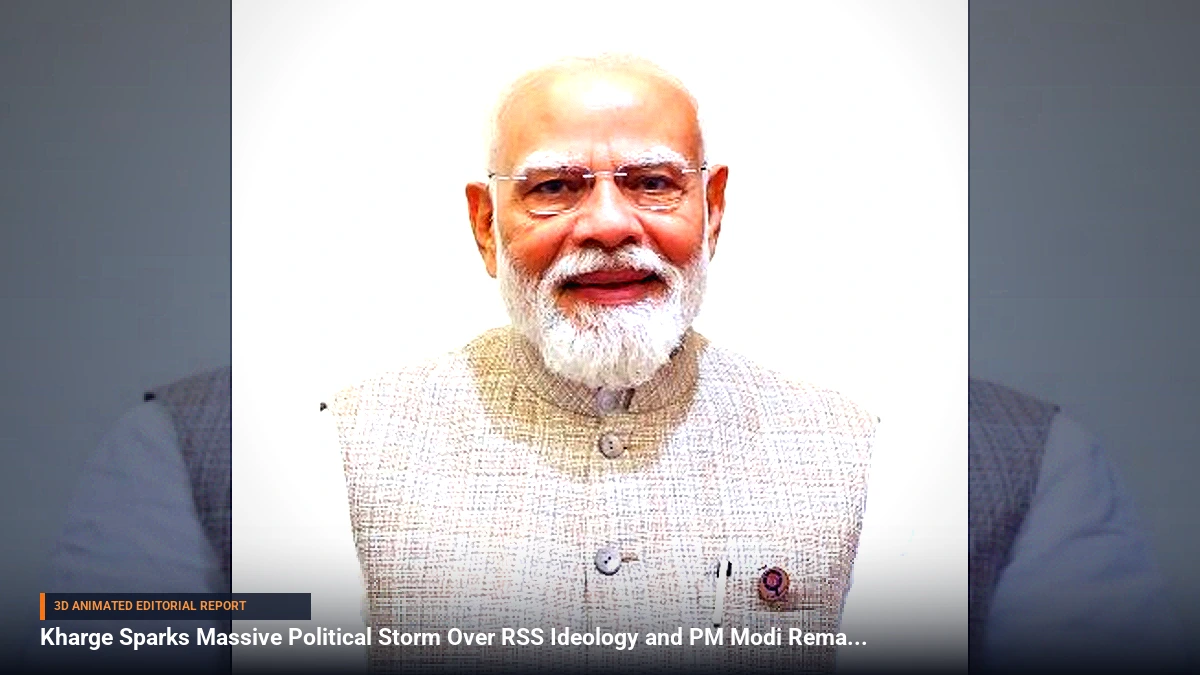
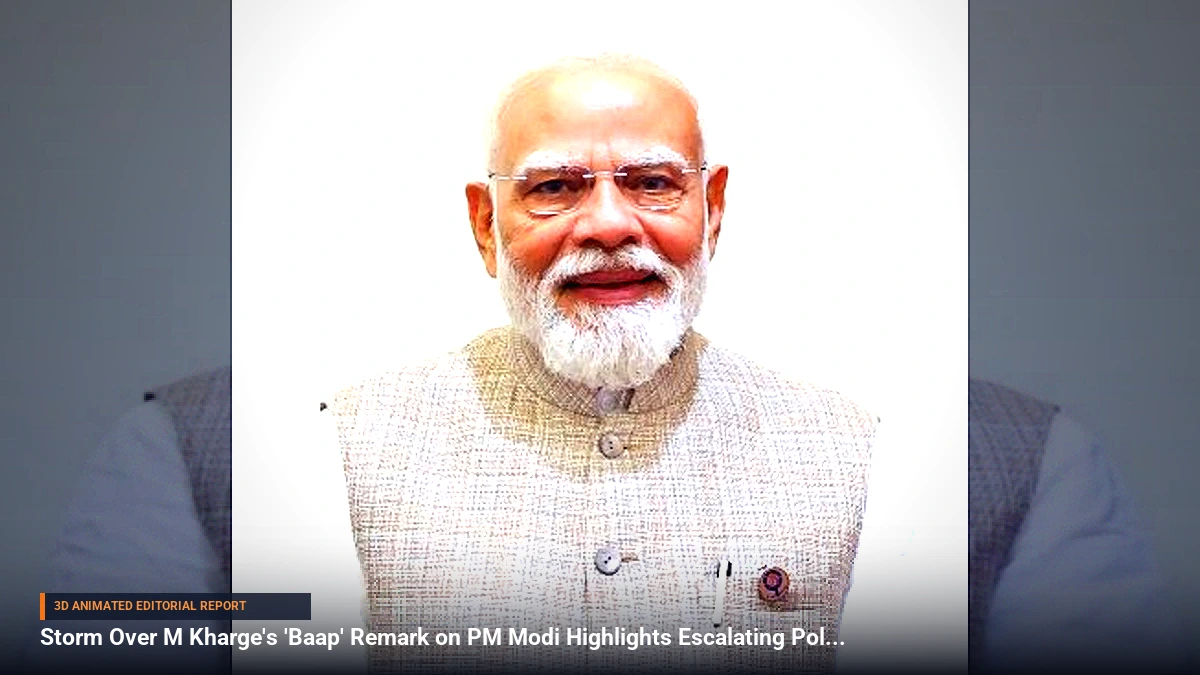
A fresh wave of political hostility has engulfed the Indian political landscape following provocative statements by senior opposition figure Mallikarjun Kharge. In recent public addresses, Kharge asserted that the nation will not experience genuine, lasting peace until the foundational ideology of the Rashtriya Swayamsevak Sangh (RSS) is entirely dismantled. This ideological broadside was accompanied by sharp, personal remarks targeting Prime Minister Narendra Modi, which quickly drew fierce rebukes from ruling party officials.
Beyond ideological critiques, Kharge also trained his sights on the country's electoral framework. He called for an immediate end to SIR mechanisms and demanded the mandatory return of traditional ballot papers in all future elections. Framing this electoral demand as a crucial battle for democratic integrity, he described the initiative as a 'second war of independence.' These combined statements immediately polarized political discourse, setting the stage for an intense confrontation between the opposition alliance and the ruling establishment.
Background & Key Context
The friction between the opposition leadership and the ideological ecosystem of the ruling Bharatiya Janata Party (BJP) has deep historical roots. The RSS serves as the ideological mentor to the BJP, making it a frequent target for opposition parties seeking to challenge the ruling government's socio-political agenda. However, Kharge's latest comments mark a distinct escalation, moving from routine policy critiques to an existential challenge against the RSS's core philosophy.
Simultaneously, debates surrounding electoral mechanics—specifically the ongoing discourse over voting systems and transparency—have become a central pillar of opposition strategy. By demanding a return to physical ballot papers and questioning contemporary electoral processes, opposition leaders are attempting to mobilize public sentiment around institutional trust and democratic safeguards ahead of upcoming political cycles.
Key Takeaways
- Ideological Confrontation: Mallikarjun Kharge publicly stated that lasting peace in India is impossible without dismantling the ideology of the RSS.
- Controversial Retoric: Remarks involving Prime Minister Narendra Modi sparked immediate national controversy and severe backlash from the BJP.
- Nationwide Pushback: In response to the comments, the BJP announced plans to organize extensive, nationwide protests against the opposition leader.
- Electoral Demands: Kharge called for an end to SIR and demanded a complete return to ballot papers across all elections, dubbing the movement a 'second war of independence.'
- Escalated Tensions: The developments underscore a sharp hardening of lines between the ruling coalition and opposition parties on both ideological and institutional fronts.
Impact, Analysis & Global/National Reactions
The immediate aftermath of Kharge's remarks has been characterized by intense partisan mobilization. The BJP leadership slammed the comments as disrespectful and politically desperate, arguing that personal attacks on the Prime Minister reflect a bankruptcy of constructive policy ideas within the opposition ranks. In retaliation, senior ruling party members confirmed that nationwide demonstrations would be staged to register public condemnation of the statements.
Political analysts note that while such rhetorical escalation helps opposition leaders consolidate their core ideological base, it also risks unifying the ruling party's supporters. By framing the dispute around both the RSS ideology and foundational governance, the discourse has shifted away from routine legislative debates into a broader cultural and institutional battleground.
What's Next: Looking Ahead
As the BJP prepares to roll out its nationwide protests, political observers anticipate heightened parliamentary and public friction in the coming weeks. The confrontation over electoral processes—particularly the debate surrounding ballot papers versus electronic voting systems—remains a contentious issue that will likely feature prominently in future opposition campaigns and legislative sessions. Stakeholders across the political spectrum will be closely monitoring public reception to the protests and evaluating whether this escalation reshapes political alliances ahead of upcoming electoral milestones.
Be the first to comment
Start a useful conversation around this story.