
What Happened: The Core Developments
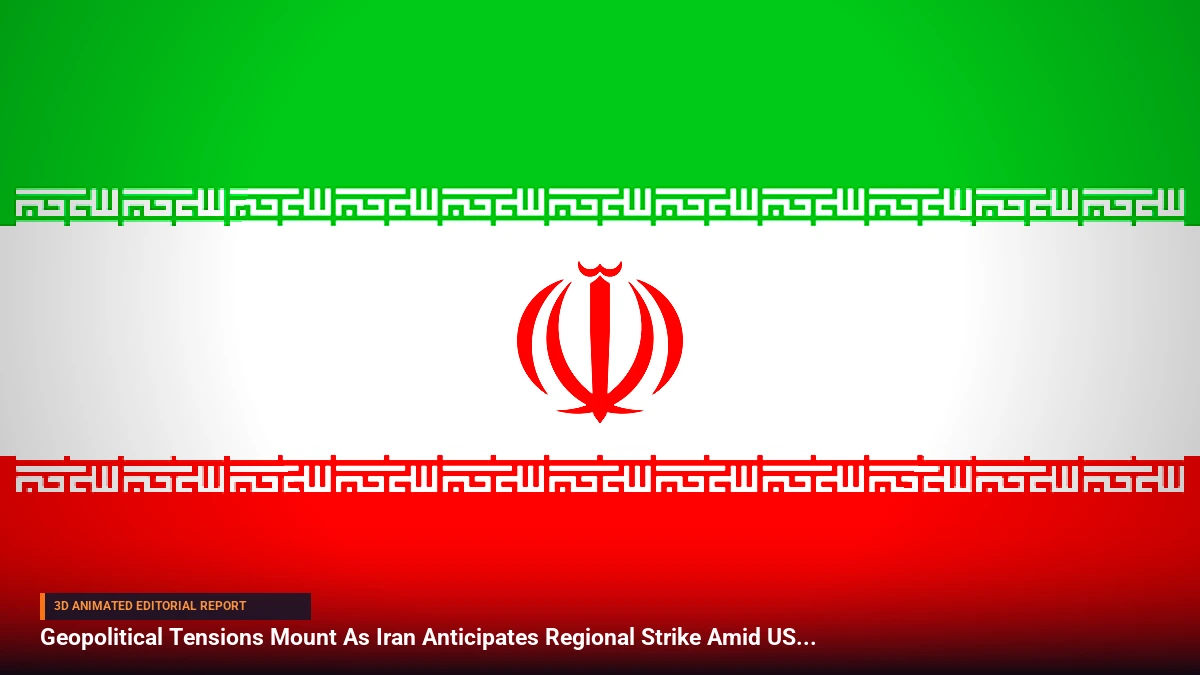
Recent intelligence indicators reveal that Iranian leadership has grown increasingly convinced of an imminent military confrontation, with assessments pointing to potential operations as early as next week. According to reports filtering through regional security channels, officials in Tehran believe that any escalatory cycle could begin with an initial strike by Israel, quickly followed by coordinated maneuvers from United States forces potentially targeting strategic maritime or territorial assets.
Simultaneously, political leaders in Washington have heightened their rhetoric. Donald Trump issued a striking public warning regarding potential military engagement under the banner of "Epic Fury," following remarks from a U.S. envoy highlighting the narrow window for potential weekend strikes. These developments mark a sharp deterioration in an already volatile security landscape.
Background & Key Context
The latest wave of friction builds upon months of indirect conflict, cyber skirmishes, and proxy engagements across the Middle East. Strategic analysts note that discussions regarding renewed military planning between the U.S. and Israel have intensified following recent electoral cycles and shifting diplomatic postures. Tehran's defensive posture also includes threats directed at critical infrastructure, such as regional internet cables, raising concerns over potential asymmetric warfare in cyberspace and critical logistics corridors.
Key Takeaways
- Imminent Timeline: Reports suggest Iranian authorities are bracing for potential hostile actions as early as next week.
- Coordinated Strategy: Intelligence assessments indicate expectations that an Israeli initial strike could be backed by U.S. forces seeking to secure strategic regional islands.
- Washington's Stance: Donald Trump issued warnings referencing potential "Epic Fury" operations following statements by a U.S. envoy.
- Infrastructure Vulnerability: Threats to regional communication lines and internet cables have amplified fears of broader hybrid warfare.
Impact, Analysis & Global/National Reactions
Global markets and diplomatic circles are responding with heightened caution. Energy markets have experienced jittery trading sessions as traders price in the risk of supply disruptions through vital shipping lanes. Analysts emphasize that any kinetic engagement risks cascading into a wider regional conflict involving multiple state and non-state actors.
Defense experts suggest that while direct military options remain under strict review in Western capitals, the public signaling reflects a psychological deterrence campaign. "The rhetoric from both sides has reached a threshold where miscalculation poses a greater danger than direct intent," noted a Middle East security analyst speaking on the condition of anonymity.
What's Next: Looking Ahead
International mediators are scrambling behind the scenes to de-escalate the rhetoric before operational timelines materialize. Observers will be closely monitoring movements of naval carrier strike groups and official intelligence briefings out of Washington, Jerusalem, and Tehran over the coming days to determine whether diplomatic off-ramps can be secured in time.



Be the first to comment
Start a useful conversation around this story.