
What Happened: The Core Developments
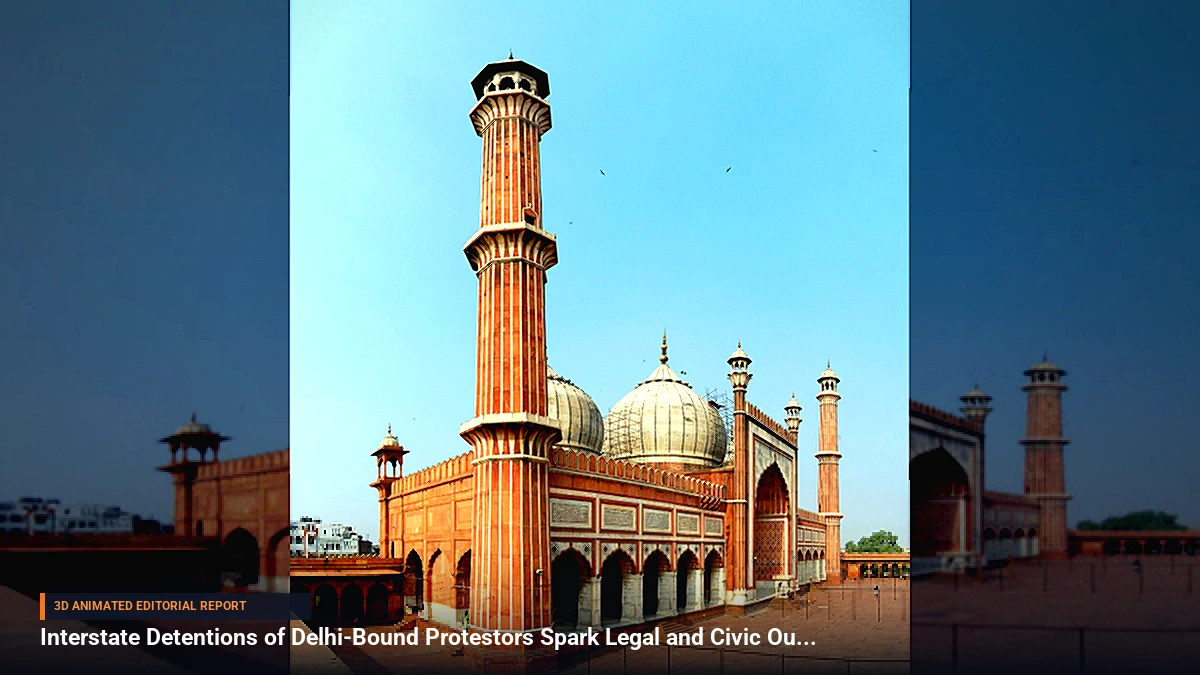
In recent days, several groups of citizens, students, and activists traveling by train toward the national capital have been intercepted and detained by law enforcement agencies. Among the affected groups were students hailing from Pune who reported being abruptly pulled off their trains while en route to participate in a planned demonstration against public figures, including Gyanesh Kumar.
Parallel incidents unfolded in Madhya Pradesh, where volunteers from distant states such as Telangana were intercepted in Bhopal ahead of an anticipated October 10 protest. The aggressive nature of these interventions—described by witnesses as being "dragged out of trains"—has prompted immediate legal pushback. The Madhya Pradesh High Court took swift cognizance of these developments, directing local police to produce a woman who had been similarly detained during her rail journey toward Delhi.
Background & Key Context
Freedom of movement and the right to peaceful assembly are cornerstone tenets of democratic governance. However, ahead of major planned demonstrations in New Delhi, administrative and law enforcement bodies frequently employ preventive detention strategies to maintain public order. In these recent instances, regional transport arteries experienced severe disruptions, with reports indicating that multiple trains heading toward the capital corridor were either canceled or heavily monitored.
Civil liberties organizations have increasingly scrutinized these preemptive measures, arguing that detaining individuals far outside the jurisdiction of the protest site—and solely based on their intended destination—sets a dangerous precedent for civil liberties.
Key Takeaways
- Interstate Interceptions: Students from Pune and volunteers from Telangana were detained en route to Delhi via railway networks.
- Judicial Intervention: The Madhya Pradesh High Court intervened, ordering police to produce a detained female traveler.
- Questions of Legality: Affected individuals and legal experts have questioned whether traveling by train to exercise democratic protest rights constitutes any legal violation.
- Administrative Measures: Reports surfaced regarding train cancellations and heightened surveillance across transit hubs in anticipation of the October 10 demonstrations.
Impact, Analysis & Global/National Reactions
The pattern of intercepting citizens across state lines has drawn sharp rebukes from legal scholars and student bodies alike. Critics argue that utilizing state machinery to intercept individuals hundreds of kilometers away from a protest venue infringes upon fundamental constitutional rights.
"Is traveling to Delhi to protest a crime?" asked affected students during accounts of their detention, reflecting a sentiment echoed by civil rights advocates. Legal observers note that while authorities maintain a mandate to preserve public safety and prevent civil unrest, the blanket detention of travelers without clear, individualized criminal charges tests the boundaries of statutory authority.
What's Next: Looking Ahead
As the legal fallout from these detentions unfolds, all eyes remain on upcoming court hearings, particularly the compliance of local police with the Madhya Pradesh High Court's production directive. Legal watchdogs anticipate further petitions challenging the legality of preventive transit detentions, which could prompt higher judicial scrutiny regarding how law enforcement handles interstate travel ahead of major demonstrations.

Be the first to comment
Start a useful conversation around this story.