
What Happened: The Core Developments
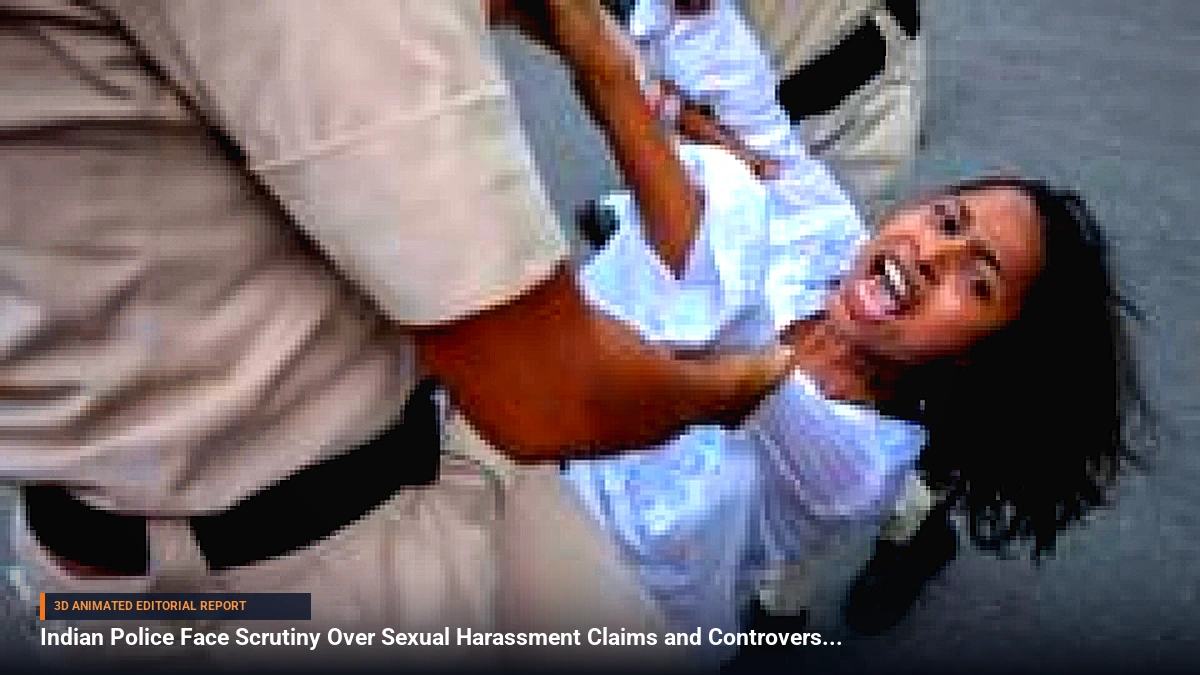
Tensions between law enforcement and media representatives in India have reached a critical juncture following severe allegations of professional misconduct and sexual harassment against police personnel. The controversy erupted from a high-stakes demonstration on October 3, where citizens and members of the press converged to voice intense public grievances. During the police response to detain dozens of demonstrators—who had gathered to demand the resignation of the country's election chief over controversial changes to voter rolls—at least three women journalists came forward with formal complaints accusing law enforcement officers of sexual harassment.
In response to mounting public pressure and advocacy from media bodies, the legal process shifted forward as the formal complaints were transferred to the specialized Crime Branch for an in-depth investigation. However, the integrity of this internal accountability process has been severely undermined by simultaneous departmental actions. Notably, an officer accused in the incidents, identified as Vivek Bhagat, was subsequently granted a promotion, sparking outrage among civil rights groups, journalists' unions, and institutional watchdogs who argue that such rewards during an active criminal probe signal a culture of impunity within the ranks.
Background & Key Context
The protests that triggered these alarming events stemmed from widespread civic discontent surrounding electoral administration. Demonstrators had mobilized to challenge sweeping alterations to local voter rolls, demanding direct accountability and the resignation of the chief election official. In the friction that followed, security forces moved aggressively to disperse and detain the crowd. While police crackdowns on political dissent are frequently documented, the targeting and alleged sexual harassment of working journalists covering the event mark a severe escalation in threats to press freedom.
Historically, complaints of police misconduct in India face lengthy bureaucratic delays, often mired in departmental loyalty and lack of transparent oversight. The decision to escalate the complaints to the Crime Branch was initially viewed as a positive step toward impartial justice. Yet, the parallel advancement of accused personnel has cast a long shadow over the credibility of internal police investigations, raising questions about whether institutional mechanisms can effectively police their own.
Key Takeaways
- Allegations of Misconduct: Three women journalists formally accused Indian police personnel of sexual harassment during a protest on October 3.
- Catalyst for Protests: The demonstrations centered on demands for the resignation of the election chief over controversial revisions to voter rolls.
- Transfer of Investigation: Initial complaints have been shifted to the Crime Branch for a more rigorous and centralized probe.
- Controversial Promotions: Accused officer Vivek Bhagat received a departmental promotion while active investigations into the harassment claims were ongoing.
- Institutional Conflict: The simultaneous handling of criminal complaints and career advancement for accused officers highlights a systemic crisis in police accountability.
Impact, Analysis & Global/National Reactions
The unfolding scandal has sent shockwaves through India's journalistic community and international press freedom organizations. Media advocacy groups have condemned the actions of the police force, framing the harassment of reporters not only as an attack on individual dignity but as a direct assault on the freedom of the press to report on civil unrest without fear of physical or sexual intimidation.
Furthermore, the handling of the case by law enforcement leadership has drawn severe criticism. Analysts point out that promoting officers under active investigation for grave offenses undermines public trust in the rule of law. The stark contradiction between transferring cases to the Crime Branch for supposed thoroughness while simultaneously rewarding the accused sends a dangerous signal, suggesting that institutional protection often supersedes demands for justice and transparency.
What's Next: Looking Ahead
As the Crime Branch deepens its probe into the October 3 demonstrations and the specific allegations made by the women journalists, all eyes remain on the judicial and administrative systems to see if accountability will prevail. Legal experts and civil society organizations are demanding immediate suspension or administrative leave for all officers under investigation to ensure that the integrity of the inquiry is not compromised by internal bias or intimidation.
Upcoming court hearings and internal disciplinary reviews will serve as a crucial litmus test for institutional reform within Indian law enforcement. Stakeholders across the political and media spectrum will be watching closely to determine whether the state is willing to dismantle patterns of impunity or if administrative protectionism will continue to shield accused personnel from the consequences of their actions.

Be the first to comment
Start a useful conversation around this story.