
What Happened: The Core Developments
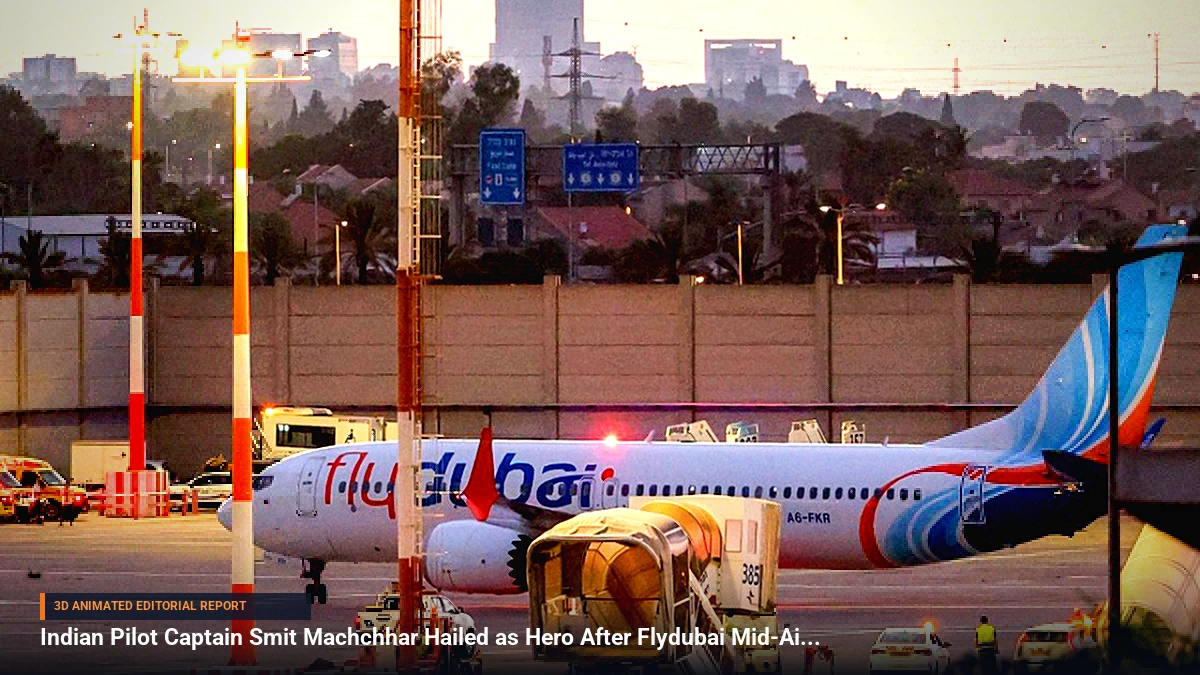
A routine commercial flight operated by flydubai transformed into a scene of high-stakes terror following a violent mid-air altercation inside the cockpit. Captain Smit Machchhar, an Indian pilot serving on the flight, found himself at the center of a life-threatening crisis when an unexpected attack occurred aloft. Initial reports indicate the incident involved a severe confrontation—described in varying accounts as a co-pilot-on-pilot stabbing or an aggressive bid to compromise the aircraft's controls.
Despite sustaining injuries, Captain Machchhar displayed remarkable composure and operational resilience. Working alongside quick-thinking passengers who rushed forward to intervene, the crew managed to neutralize the threat and secure the aircraft. Eyewitness accounts from passengers onboard detail harrowing moments of physical struggle, including individuals stepping up to physically restrain the assailant and assist in stabilizing the aircraft during the chaos.
Background & Key Context
Commercial aviation security has long relied on strict cockpit door protocols implemented globally following historic security threats. However, intra-cockpit altercations and direct insider threats remain some of the most difficult scenarios for civil aviation authorities to mitigate. The flight, operating on a key Middle Eastern corridor connecting commercial hubs between Dubai and Tel Aviv, entered international headlines as security analysts began probing how the security breakdown unfolded at cruising altitude.
The swift intervention by both flight deck personnel and passengers prevented what could have easily culminated in an unprecedented aviation disaster. The incident has instantly redirected global regulatory attention toward crew screening, cockpit access controls, and emergency protocols on international routes servicing volatile regions.
Key Takeaways
- Heroic Intervention: Indian pilot Captain Smit Machchhar sustained injuries while successfully countering an aggressive mid-air attack on a flydubai flight.
- Passenger Courage: Onboard passengers played a crucial, hands-on role by intervening physically, subduing the attacker, and assisting with plane controls.
- High-Level Recognition: Israeli Prime Minister Benjamin Netanyahu formally commended Captain Machchhar, labeling him a "true hero" for saving numerous lives.
- Immediate Policy Shifts: In response to the crisis, Netanyahu ordered a mandatory tightening of security measures across Israeli carriers and foreign airlines operating within the region.
- Ongoing Investigations: Civil aviation authorities and international security agencies are actively investigating the exact motives and background behind the cockpit assault.
Impact, Analysis & Global/National Reactions
The gravity of the incident triggered immediate geopolitical and industry-wide ripples. Israeli Prime Minister Benjamin Netanyahu publicly lauded Captain Machchhar, emphasizing the pilot's extraordinary bravery and swift thinking under extreme pressure. Government officials underscored that the captain's refusal to surrender control of the aircraft averted a catastrophic loss of life.
"The courage demonstrated by Captain Machchhar and the passengers aboard this flight is nothing short of heroic," stated safety analysts monitoring the event. "This incident exposes critical vulnerabilities regarding interpersonal dynamics inside modern flight decks, forcing airlines to reconsider how they vet and monitor flight crews on sensitive international legs."
Security experts note that while hijacking prevention historically focused on external actors, insider threats demand an urgent overhaul of psychological screening and cockpit security frameworks.
What's Next: Looking Ahead
As civil aviation authorities in the United Arab Emirates, Israel, and international bodies parse the black box data and flight logs, the global aviation community awaits comprehensive findings. Flydubai is expected to face rigorous scrutiny regarding its internal security and crew vetting procedures.
Meanwhile, the directive issued by the Israeli government mandating tighter security checks on international carriers is expected to introduce stricter boarding protocols, enhanced luggage screenings, and potentially armed sky marshal deployments on select high-risk routes. Stakeholders across the industry are bracing for regulatory adjustments aimed at ensuring cockpit safety remains uncompromised against modern, unpredictable threats.





Be the first to comment
Start a useful conversation around this story.