

What Happened: The Core Developments
Indian benchmark indices demonstrated resilience and upward momentum during a recent volatile trading session, with the BSE Sensex climbing approximately 390 points to settle comfortably near the 84,328 mark. Concurrently, the NSE Nifty50 advanced to hover around the 25,884 to 25,885 range. This positive momentum underscored persistent buying appetite despite intraday fluctuations.
The broader market advance was significantly catalyzed by renewed foreign fund inflows, favorable macroeconomic tailwinds including softening global crude oil prices, and aggressive institutional accumulation in heavyweight technology and realty stocks. As major IT giants and banking institutions rallied, investor wealth expanded notably, building upon consecutive sessions of positive market sentiment.
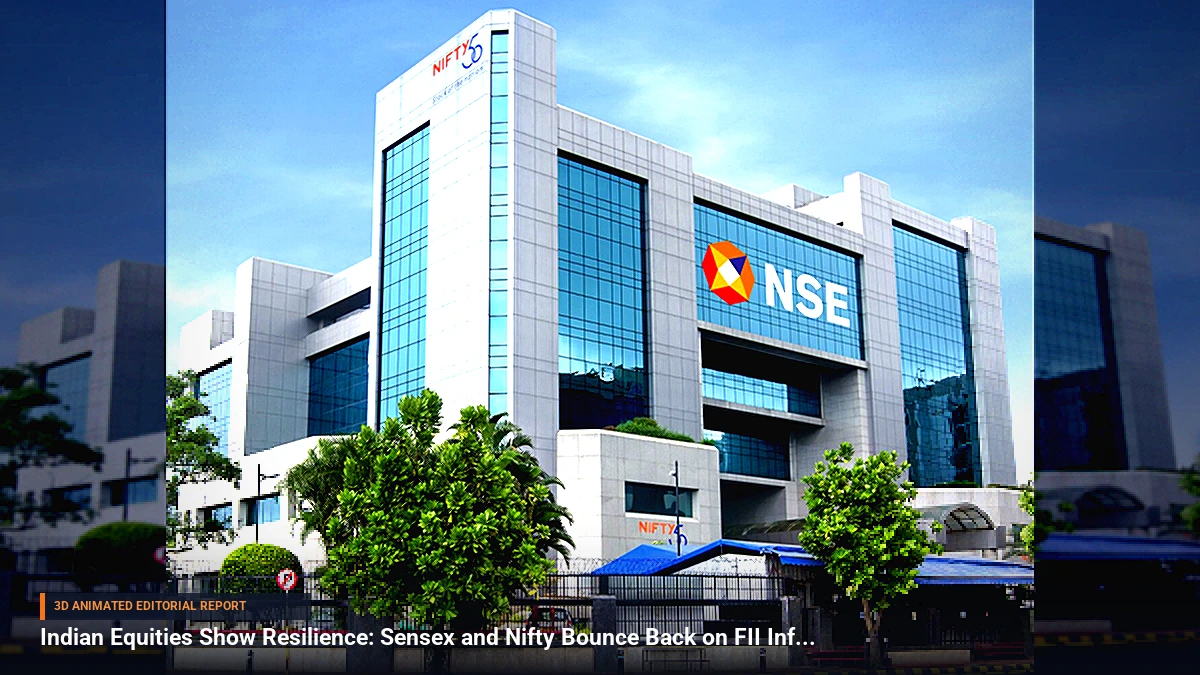
In tandem with the broader index performance, the National Stock Exchange (NSE) drew massive investor attention. NSE shares skyrocketed by 9% over a compressed two-day trading window. This rapid ascent propelled its total market capitalization to roughly Rs 5.88 lakh crore (close to Rs 6 trillion), successfully vaulting the exchange into India's top 10 most valuable entities by market capitalization.
Background & Key Context
Market performance over recent cycles has been heavily influenced by the shifting dynamics of Foreign Portfolio Investors (FPIs). After periods of cautious capital allocation and capital flight driven by global monetary tightening and fluctuating geopolitical landscapes, the return of foreign capital has served as a primary liquidity engine for Indian equities.
Simultaneously, the valuation surge of the NSE highlights the immense structural growth of India's capital market infrastructure. As domestic retail participation hits historic highs through mutual funds and direct trading accounts, stock exchanges and financial intermediaries have transformed from back-office utilities into powerhouse financial assets. The exchange's valuation leap past several legacy corporate giants reflects confidence in India's long-term economic trajectory and financialization wave.
Key Takeaways
- Benchmark Gains: Sensex advanced approximately 390 points to close near 84,328, while Nifty held firm around 25,884.
- Sector Drivers: Information technology, realty, and select heavyweights led the market advances during the volatile session.
- Macro Support: A combination of returning foreign fund inflows and easing global crude oil prices helped cushion domestic equities against external pressures.
- NSE Milestone: National Stock Exchange shares rallied 9% over a two-day span, driving market capitalization close to Rs 6 trillion.
- Elite Standing: The spectacular run placed the NSE firmly among India's top 10 most valuable corporations by market cap, outpacing several established blue-chip firms.
Impact, Analysis & Global/National Reactions
Market analysts note that the dual tailwinds of institutional buying and technological sector outperformance validate the underlying strength of India's corporate earnings outlook. Technology stocks, which bore the brunt of global macroeconomic anxieties in previous quarters, are witnessing renewed accumulation as international institutional investors reassess valuations.
"The infusion of foreign liquidity combined with domestic institutional support provides a strong cushion against global volatility," noted institutional equity strategists. "Furthermore, the monetization and re-rating of core financial infrastructure assets like the NSE signal a structural maturation of the Indian financial ecosystem."
Stakeholders across brokerages and asset management firms remain cautiously optimistic, pointing out that while external risks such as trade policies and currency fluctuations persist, domestic macroeconomic fundamentals continue to offer robust support.
What's Next: Looking Ahead
As markets navigate upcoming macroeconomic data releases and central bank policy reviews, investors will closely monitor the sustainability of foreign capital flows. Key variables to watch include upcoming US trade policy developments, quarterly corporate earnings revisions, and global energy price trends.
For the NSE and other high-flying financial sector constituents, upcoming regulatory disclosures and potential corporate actions will dictate whether current valuation multiples can be sustained. Market participants will also look toward retail participation metrics and upcoming primary market issuances to gauge overall market depth heading into the next fiscal quarter.





Be the first to comment
Start a useful conversation around this story.