
What Happened: The Core Developments
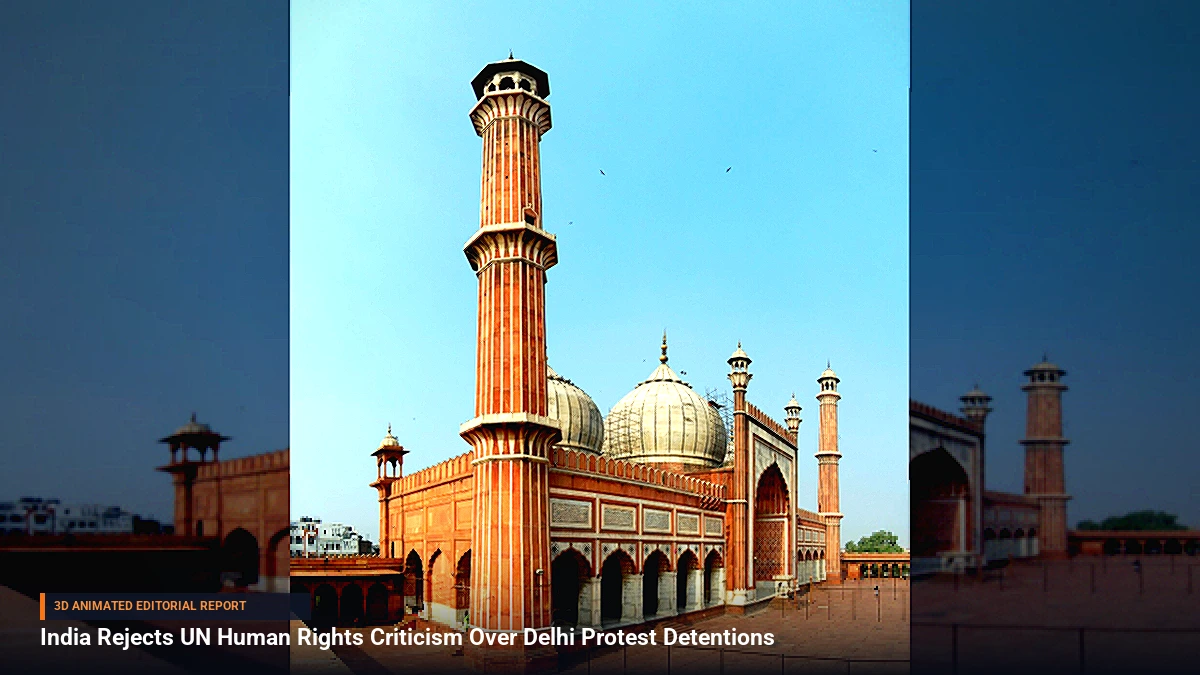
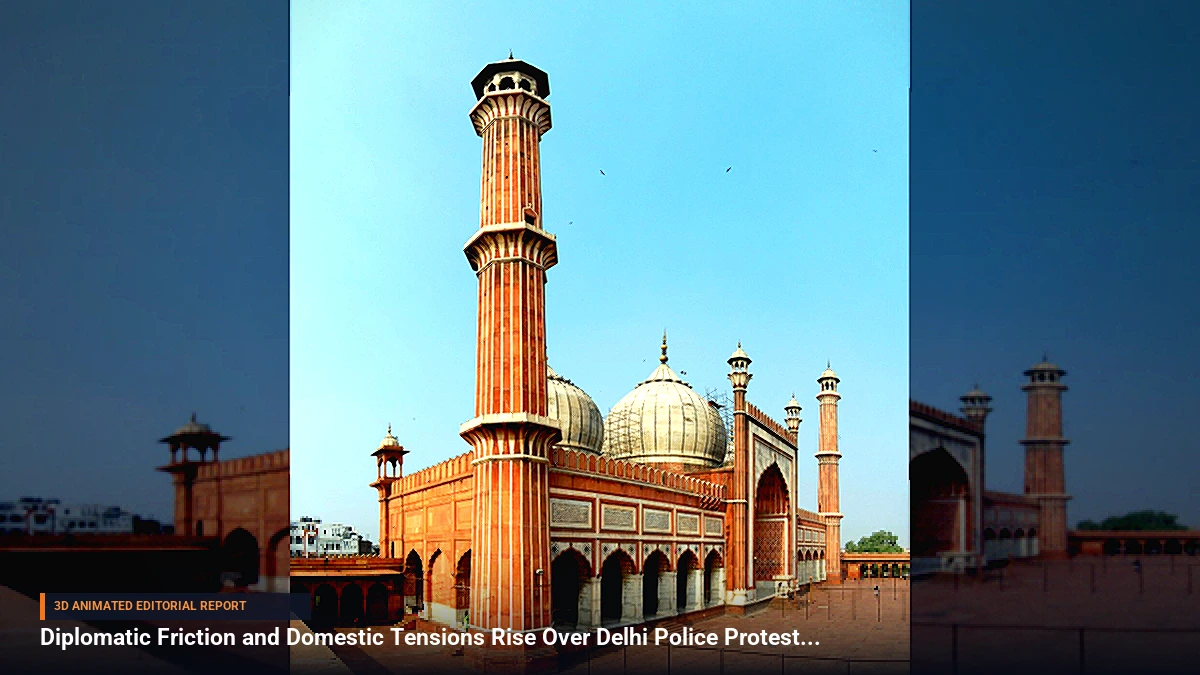
Tensions have flared between international watchdogs and New Delhi following a series of police crackdowns on public demonstrations in the Indian capital. The Office of the United High Commissioner for Human Rights (OHCHR) publicly voiced serious concern over reports of arbitrary detentions targeting demonstrators. The UN human rights mechanism formally urged authorities to ensure the immediate release of individuals held in connection with the civic protests.
The response from New Delhi was swift and uncompromising. Indian officials firmly rejected the UN commentary, characterizing the observations as misplaced, unwarranted, and an unacceptable infringement on national sovereignty. The Ministry asserted that law enforcement agencies operate strictly within the legal framework of a robust constitutional democracy to maintain public order and safety.
Background & Key Context
The friction arises against the backdrop of heightened public demonstrations in New Delhi, frequently referred to in local discourse as part of ongoing civic mobilizations reminiscent of historic protest movements at key public venues like Jantar Mantar. Civil society groups have increasingly taken to the streets to voice opposition to various legislative and administrative policies.
Police forces deployed heavy containment measures, barricades, and preventive detentions to manage the crowds, leading to widespread debate over freedom of assembly, civil liberties, and the boundaries of state policing powers in the world's largest democracy. International bodies routinely monitor these developments, balancing universal human rights standards against the sovereign duty of states to manage internal security.
Key Takeaways
- UN Concern: The OHCHR expressed formal alarm over mass detentions during recent protests in Delhi.
- Call for Release: International human rights monitors urged the immediate release of arbitrarily detained protesters.
- Firm Rejection: The Indian government dismissed the UN remarks as unwarranted interference in internal affairs.
- Sovereign Stance: New Delhi maintained that its domestic legal and policing procedures fully uphold democratic principles.
- Civic Tensions: The episode highlights ongoing debates regarding public assembly, state security, and civil liberties in India.
Impact, Analysis & Global/National Reactions
The diplomatic exchange underscores a recurring friction point between global multilateral institutions and sovereign national governments regarding the policing of dissent. Human rights advocates argue that international scrutiny is vital for protecting civic space and ensuring that democratic freedoms of speech and assembly are preserved.
Conversely, Indian policymakers and domestic legal experts emphasize that foreign bodies often lack full contextual awareness of ground-level security challenges. They contend that public order management is an exclusively domestic affair and that external commentary can politicize local legal processes, potentially undermining the authority of democratically elected institutions.
What's Next: Looking Ahead
As domestic civil society groups continue to organize and seek avenues for expression, legal battles regarding the legality of the recent detentions are expected to play out in Indian courts. Observers will closely monitor whether local judicial reviews address the balance between public safety and the fundamental right to protest.
On the diplomatic front, the episode highlights the delicate balance international organizations must navigate when engaging with major democracies on sensitive domestic policing issues, setting a tense tone for future bilateral and multilateral human rights dialogues.
Be the first to comment
Start a useful conversation around this story.