
What Happened: The Core Developments
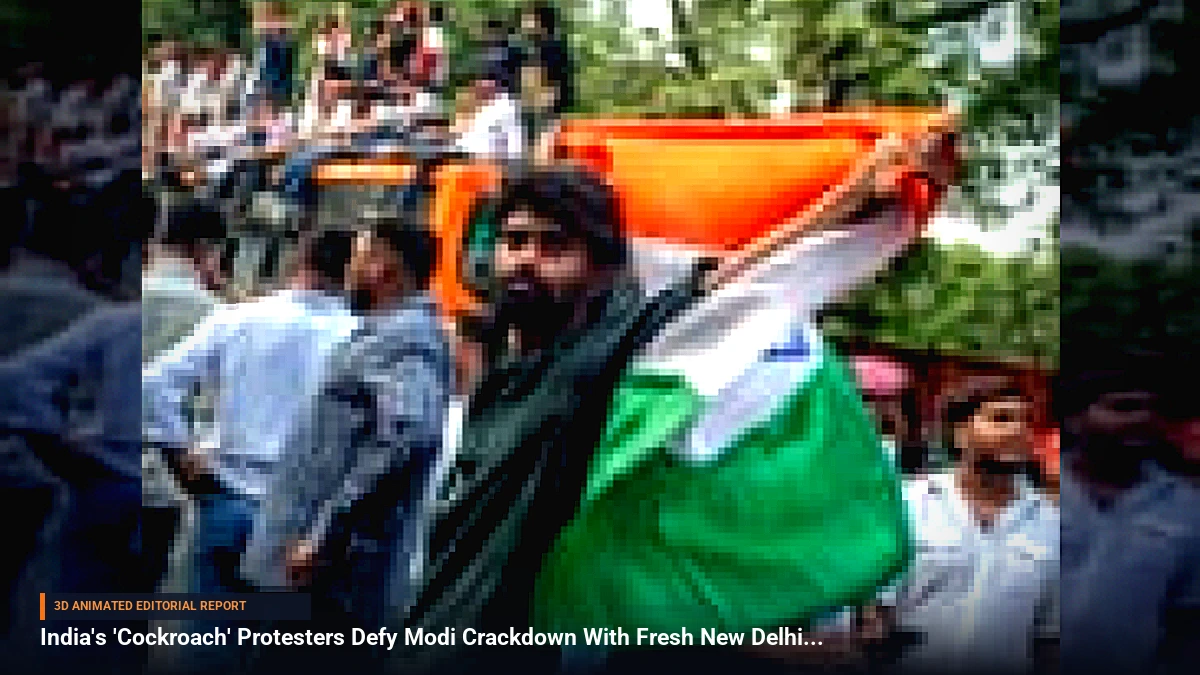
Tensions surrounding the leadership of India's Election Commission boiled over as law enforcement detained approximately 90 protesters across New Delhi, including key demonstrators at the prominent Jantar Mantar site. Student organizations like the All India Students' Association (AISA), alongside various political factions, mobilized to demand the immediate resignation and arrest of Chief Election Commissioner (CEC) Gyanesh Kumar.
The demonstrations were met with heavy security deployments, featuring extensive barricading and rapid action forces to curb unauthorized assemblies. Simultaneously, opposition parties staged coordinated protests nationwide, intensifying the pressure on the highest echelons of India’s electoral oversight body.
Background & Key Context
The current wave of public outcry and political confrontation follows investigative disclosures revealing that two election commissioners allegedly recorded official objections on multiple occasions over a ten-month period. These disputes reportedly centered on poll panel directives and administrative steps taken during the Special Information and Revision (SIR) exercise.
Historically, the three-member Election Commission has maintained an image of collective consensus. However, reports indicating that fellow commissioners formally dissented against specific decisions executed in their names have provided opposition parties and civil society groups with fresh ammunition to question the transparency and internal governance of the autonomous institution.
Key Takeaways
- Mass Detentions: Approximately 90 individuals were detained by Delhi Police during demonstrations at Jantar Mantar and surrounding zones.
- Internal Dissent Disclosed: Reports surfaced detailing multiple instances where other election commissioners registered formal objections to poll panel initiatives during the SIR exercise.
- Widespread Political Demands: Prominent political figures and parties, including the Congress party, Naveen Patnaik, and CPI(M-L) Liberation, have formally demanded the resignation or removal of CEC Gyanesh Kumar.
- Counter-Defenses Raised: Ruling party figures, such as the Bengal BJP chief, staunchly defended the CEC, arguing that his actions during the SIR process warrant high civil honors rather than condemnation.
- NDA Unease: Reports indicate that certain National Democratic Alliance (NDA) allies are seeking formal clarifications from the poll body regarding the internal friction.
Impact, Analysis & Global/National Reactions
The unfolding controversy has sharply divided India's political landscape. While opposition leaders characterize the internal rifts as a systemic breakdown of institutional autonomy, defenders of the CEC argue that the attacks are politically motivated attempts to undermine faith in independent electoral processes.
Legal experts and former officials have also weighed in on the feasibility of impeachment or forced removal, with some legal luminaries noting the stringent constitutional barriers required for such measures. Meanwhile, grassroots movements, occasionally dubbed by international observers as part of emergent youth-led agitation, continue to keep public pressure high through relentless street protests.
What's Next: Looking Ahead
As the political standoff persists, attention turns toward how the Election Commission and parliamentary leaders will address the demands for transparency. Observers will closely monitor potential legislative moves, further responses from NDA allies, and any formal clarifications issued by the poll panel regarding its internal decision-making protocols.

Be the first to comment
Start a useful conversation around this story.