
What Happened: The Core Developments
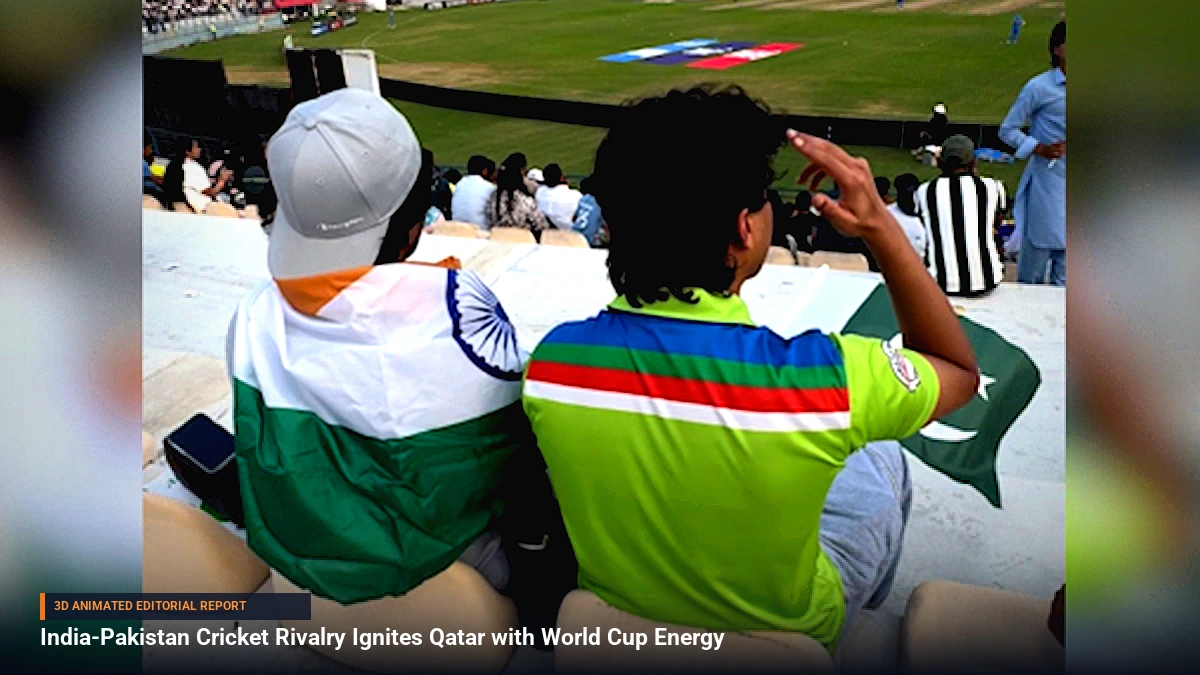
The enduring cricket rivalry between India and Pakistan transcended traditional borders on November 22, 2026, as the India A and Pakistan Shaheens met on the pitch in Doha, Qatar. Part of the DP World Men's Asia Cup Rising Stars tournament, the fixture drew massive, vocal crowds that transformed the stadium into a cauldron of noise, capturing an intensity typically reserved for senior-level global World Cup encounters.
With Pakistan A opting to bat first after winning the toss, both squads stepped onto the field with unchanged lineups. The match provided high-stakes drama as emerging talents from both cricket powerhouses traded blows under intense pressure. Stellar bowling spells from players like Harshit Rana and tactical batting anchored by figures such as Ayush Badoni kept spectators on the edge of their seats throughout the contest.
Background & Key Context
For decades, bilateral fixtures between India and Pakistan have been strictly limited due to geopolitical complexities, making multi-nation tournaments and neutral venues the primary battlegrounds for this storied rivalry. The choice of Qatar as a host highlights a broader trend in modern sports diplomacy and entertainment: exporting marquee fixtures to the Middle East.
Hosting high-profile matches in Doha capitalizes on the region's world-class sporting infrastructure, built extensively over recent years, while serving massive South Asian expatriate communities living in the Gulf. Tournaments like the Asia Cup Rising Stars not only showcase the next generation of international cricket talent but also provide a vital valve for releasing the immense cultural passion surrounding the fixture.
Key Takeaways
- High-Voltage Atmosphere: Packed stands in Doha proved that the appetite for India-Pakistan cricket remains completely uninhibited, regardless of whether senior or 'A' teams are competing.
- Tournament Context: The fixture took place on November 22, 2026, as part of the DP World Men's Asia Cup Rising Stars tournament held in Qatar.
- Tactical Battle: Pakistan A chose to bat first, setting up a competitive innings that tested India A's bowling attack led by talents like Harshit Rana.
- Expatriate Engagement: The neutral venue successfully bridged geographic divides, allowing vast diaspora communities in the Gulf region to witness the historic rivalry live.
Impact, Analysis & Global/National Reactions
The successful staging of an India-Pakistan fixture in Qatar underscores the shifting geography of global sports governance and commercial strategy. By utilizing neutral territories, cricket administrators can bypass diplomatic logjams while unlocking lucrative Middle Eastern markets and fan bases.
Sports analysts note that 'A' team encounters serve as an essential pressure cooker for rising international prospects. Performing in front of a packed, roaring stadium in Doha provides young athletes with an invaluable psychological baptism by fire, preparing them for the immense scrutiny of senior international test matches and global tournaments.
What's Next: Looking Ahead
As the DP World Men's Asia Cup Rising Stars tournament progresses, the momentum generated by this marquee matchup places a spotlight on the depth of talent within both cricket boards. Observers will be watching closely to see how these rising stars handle the physical and mental fatigue of a compressed tournament schedule.
Furthermore, the seamless execution of this high-security, high-demand fixture in Doha positions Qatar as an increasingly viable, trusted hub for future marquee cricket events outside of traditional South Asian strongholds.





Be the first to comment
Start a useful conversation around this story.