
What Happened: The Core Developments
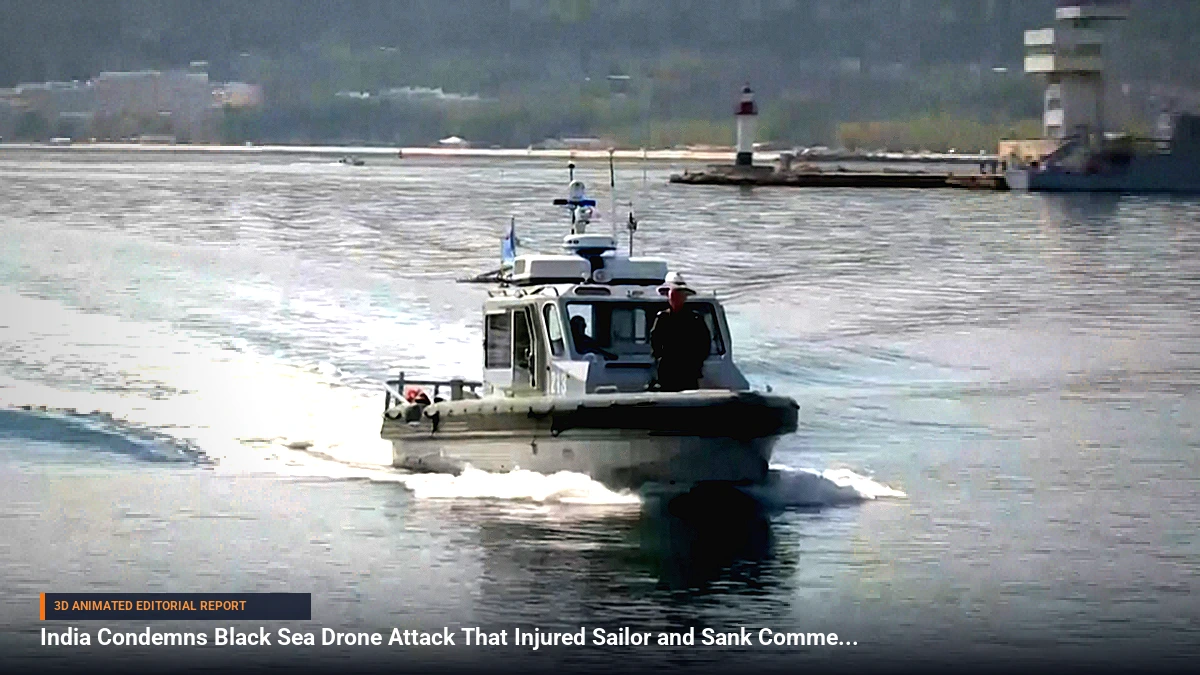
A commercial cargo vessel, identified as the MV Royad Mammadov, came under a devastating drone attack while navigating the volatile waters of the Black Sea. The strike caused catastrophic structural damage to the ship, ultimately leading to it sinking off the coast of Bulgaria within its exclusive economic zone.
Tragically, the assault claimed the lives of two foreign seafarers and left multiple crew members wounded, including Indian nationals. According to official diplomatic statements, all three Indian citizens who were onboard the stricken vessel have since been successfully evacuated and are reported safe in neighboring Romania, receiving necessary medical and consular assistance.
Background & Key Context
The Black Sea has transformed into one of the world's most hazardous maritime corridors since the intensification of regional hostilities. Commercial shipping companies navigating through these waters face persistent threats from unexploded ordnance, naval mines, and aerial drone strikes.
Prior to this incident, regional authorities, including Bulgarian Prime Minister Rumen Radev, repeatedly warned about the vulnerability of commercial shipping lines operating within national economic zones. Despite heightened security protocols, civilian vessels continue to get caught in the crossfire, raising urgent questions regarding the protection of neutral merchant fleets and multinational civilian crews.
Key Takeaways
- Diplomatic Condemnation: India officially termed the attack on its nationals and the commercial vessel as completely "unacceptable."
- Casualties and Losses: The drone strike on the MV Royad Mammadov resulted in two deaths among foreign seafarers and multiple injuries.
- Vessel Sinking: The commercial ship ultimately sank off the Bulgarian coast following the aerial assault in the Black Sea economic zone.
- Crew Safety: All three Indian nationals aboard the targeted vessel were safely accounted for and relocated to Romania.
- Maritime Security Warning: The incident highlights the growing risks that ongoing regional conflicts pose to international shipping lanes and civilian mariners.
Impact, Analysis & Global/National Reactions
The Ministry of External Affairs (MEA) expressed grave concern over the incident, emphasizing that the safety and security of commercial shipping must remain an absolute priority under international law. Maritime analysts point out that attacks on civilian merchant vessels disrupt vital global supply chains, particularly agricultural and energy exports originating from Eastern European ports.
International organizations and labor groups have repeatedly called for the establishment of secure maritime humanitarian corridors to protect civilian crews who bear the brunt of geopolitical conflicts. The injury of foreign nationals unconnected to any military operations has further intensified pressure on international bodies to enforce stricter deterrence measures against unauthorized drone usage in recognized shipping channels.
What's Next: Looking Ahead
As diplomatic channels process the fallout from the latest Black Sea tragedy, maritime insurers and shipping conglomerates are expected to re-evaluate risk assessments for vessels transiting the region. Enhanced security monitoring, potential rerouting, and intensified diplomatic pressure from nations with citizens working abroad will likely dominate upcoming international forums addressing freedom of navigation and the protection of civilian seafarers.



Be the first to comment
Start a useful conversation around this story.