
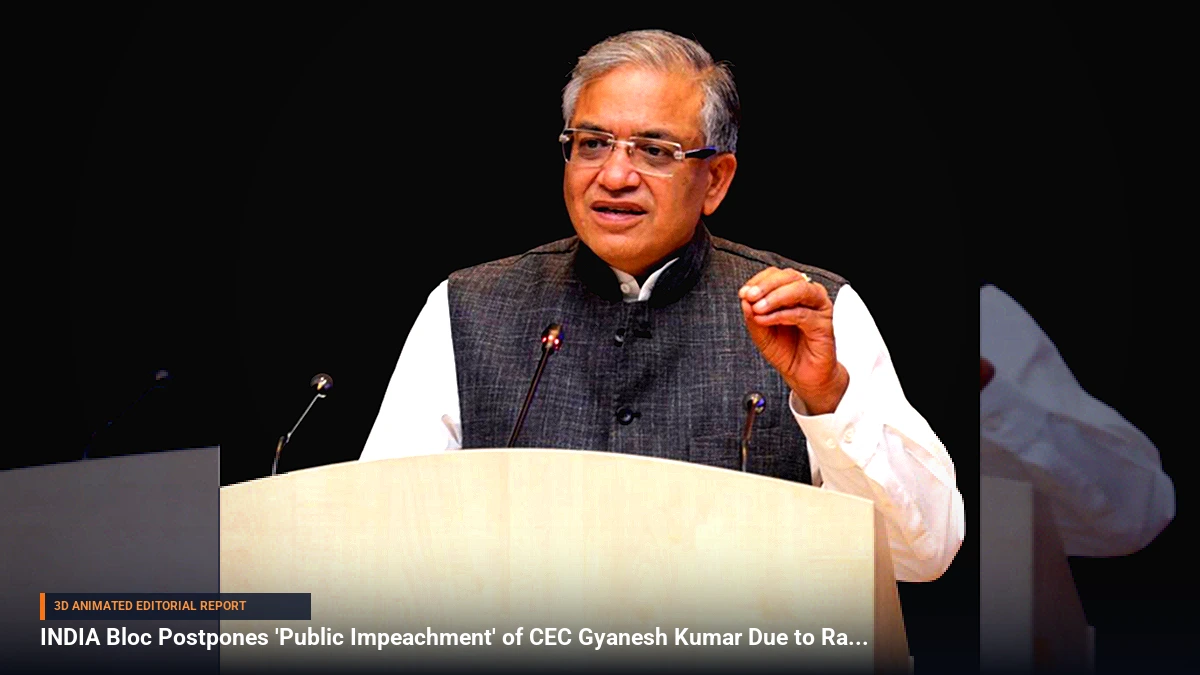
What Happened: The Core Developments
The opposition INDIA bloc was forced to abruptly postpone its planned "public impeachment" event targeting Chief Election Commissioner (CEC) Gyanesh Kumar after heavy rain disrupted proceedings in the national capital. The symbolic gathering was originally scheduled to commence at 3:30 pm on the expansive lawns of Congress President Mallikarjun Kharge’s official residence.
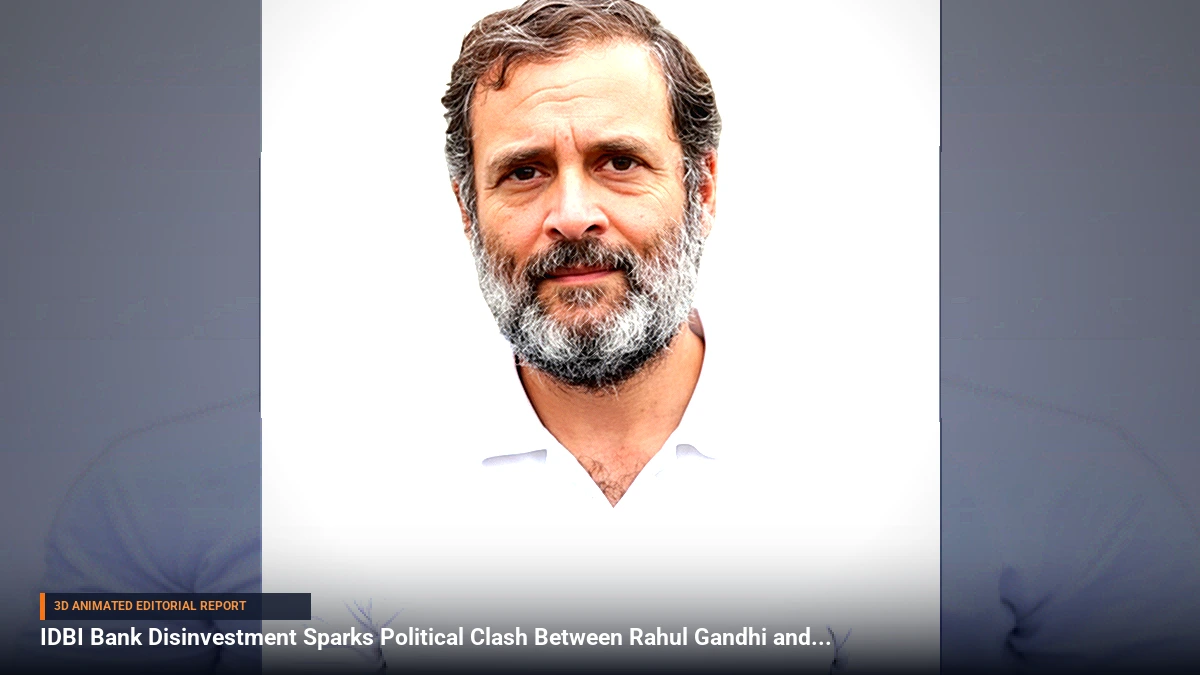
Senior Congress leader Rahul Gandhi officially announced the postponement to the gathered press and supporters, confirming that weather conditions made it impossible to proceed safely with the outdoor format. Despite the initial washout, leadership quickly pivoted to secure an alternative timeline, rescheduling the high-stakes political demonstration.
Background & Key Context
The decision by opposition parties to stage a public impeachment underscores a deepening institutional friction between India's political opposition and federal electoral authorities. Extra-parliamentary demonstrations targeting constitutional officers represent a rare and aggressive strategic shift for major opposition parties, who have increasingly utilized public forums to voice grievances regarding electoral transparency, administrative fairness, and institutional independence.
While formal impeachment proceedings against constitutional authorities like the CEC require specific parliamentary motions and rigorous constitutional thresholds, the opposition opted for this public forum to voice systemic grievances directly to the electorate.
Key Takeaways
- Event Interrupted: Inclement weather forced the postponement of the INDIA bloc's planned public event just hours before its scheduled start.
- Original Venue: The demonstration was set to take place on the grounds of Congress President Mallikarjun Kharge's official New Delhi residence.
- Leadership Response: Senior leader Rahul Gandhi stepped forward to announce both the cancellation and the newly revised schedule.
- Strategic Intent: The extra-parliamentary 'public impeachment' highlights opposition frustration with election administration and oversight.
- New Schedule: The rescheduled program has been formally moved to take place on October 31.
Impact, Analysis & Global/National Reactions
Political analysts view this extra-parliamentary maneuver as both a high-risk gamble and a mobilization strategy designed to keep electoral reforms in the national spotlight. By taking their grievances directly to the public sphere, opposition parties aim to bypass parliamentary stalemates and galvanize grassroots support ahead of upcoming electoral battles.
Critics from the ruling alliance, however, have repeatedly condemned such tactics, arguing that staging parallel public tribunals against independent constitutional authorities undermines public faith in foundational democratic institutions. The Election Commission of India has consistently maintained that its processes remain entirely transparent, impartial, and bound strictly by constitutional mandates.
What's Next: Looking Ahead
With the event successfully rescheduled for October 31, all eyes will be on the opposition leadership to see how they modify the format to maximize political impact. Stakeholders across the political spectrum will be closely monitoring the rhetoric deployed during the rescheduled gathering to gauge whether the opposition intends to escalate its direct confrontation with independent oversight bodies as future election cycles approach.


Be the first to comment
Start a useful conversation around this story.