
What Happened: The Core Developments
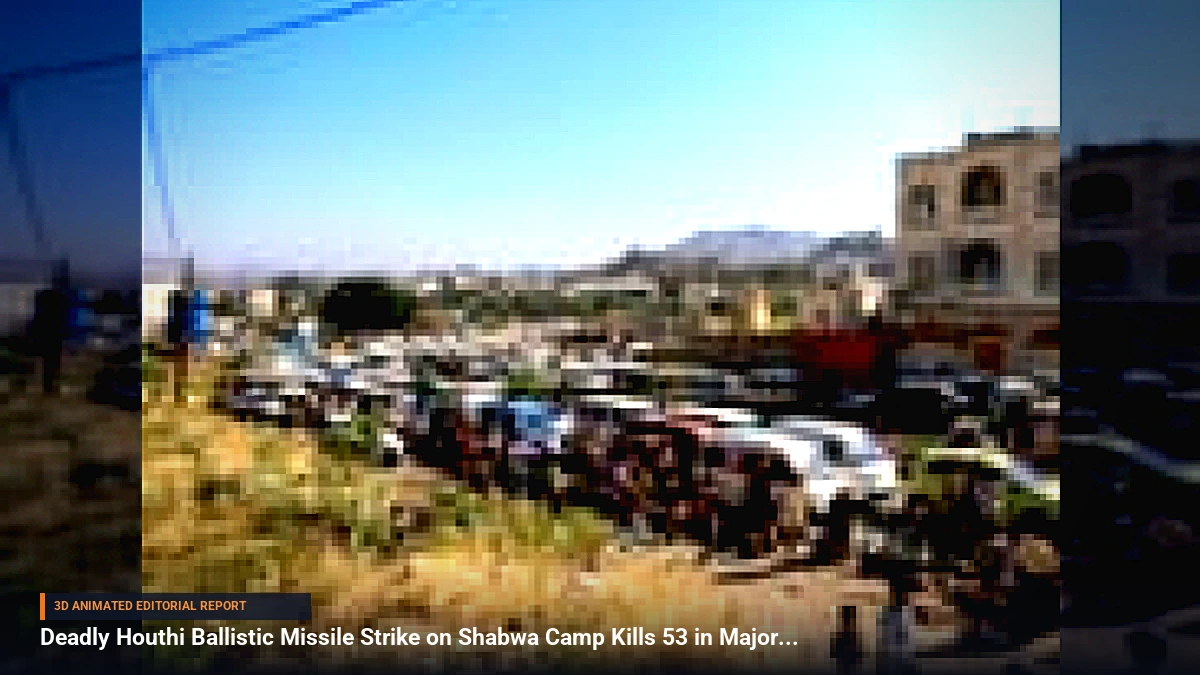
A devastating Houthi ballistic missile strike has struck a military training facility in southern Yemen, resulting in at least 53 deaths and leaving nearly 200 individuals injured. The attack targeted the al-Alam camp, also officially known as the Martyr Ahmed Al-Sulaimani Training Center, situated within the Jardan district of the Shabwa governorate.
According to reports from local authorities and government forces, the strike hit while a large number of young recruits were assembled for training exercises. The sudden and violent impact immediately overwhelmed regional emergency response networks, turning the facility into a site of catastrophic destruction. Medical facilities in Ataq, the local provincial capital, were inundated with casualties, prompting urgent public appeals for emergency blood donations to treat the waves of wounded personnel.
Background & Key Context
This tragic incident represents a profound intensification of hostilities in Yemen. The country's civil war, which has persisted for over a decade, recently saw a volatile reignition of large-scale combat in September. Southern provinces like Shabwa have historically served as critical strategic fault lines between the internationally recognized government forces and Houthi movement fighters.
Training camps have frequently been targeted throughout the conflict due to their high concentration of personnel. However, the scale of this specific operation—utilizing ballistic missile technology against a newly assembled cohort of young recruits—highlights an alarming escalation in tactical capabilities and strike precision by Houthi forces. Initial casualty figures reported by regional news agencies varied widely, beginning with lower estimates of 18 to 20 dead before comprehensive local authority updates confirmed the final death toll of 53.
Key Takeaways
- Mass Casualties: At least 53 military recruits and fighters were killed in the ballistic missile attack.
- Severe Injuries: Nearly 200 people sustained injuries, placing immense pressure on local health infrastructure.
- Strategic Location: The strike hit the al-Alam camp (Martyr Ahmed Al-Sulaimani Training Center) in the Jardan district of Shabwa province.
- War Escalation: The incident marks the single largest loss of life since the recent September reignition of Yemen's civil war.
- Medical Strain: Hospitals in Ataq issued urgent public pleas for blood donations to cope with the influx of trauma patients.
Impact, Analysis & Global/National Reactions
The attack has been characterized by representatives of Yemen's UN-recognized government as a humanitarian and security disaster. Analysts note that targeting new recruits is a calculated strategy designed to disrupt ongoing force-generation efforts by government loyalists in the southern territories.
The heavy burden placed on regional hospitals in Ataq underscores the fragility of southern Yemen's medical infrastructure, which has been fractured by years of systemic conflict, resource shortages, and blockades. Humanitarian agencies have expressed grave concern over the safety of non-combatants and military trainees alike, warning that unchecked escalations will further derail fragile peace frameworks and deepen the suffering of the civilian population.
What's Next: Looking Ahead
In the wake of the strike, government security forces and regional councils are expected to review defensive postures and training protocols across southern governorates to guard against further precision missile attacks. Diplomatic monitors are closely watching for potential retaliatory military actions or official responses from international mediators who have been attempting to stabilize the renewed frontlines.
Meanwhile, local authorities remain focused on stabilizing the survivors currently admitted to overburdened hospitals in Shabwa. The long-term implications of the al-Alam camp strike are likely to harden political divisions, complicate ongoing back-channel negotiations, and intensify the military footprint across southern Yemen in the coming weeks.





Be the first to comment
Start a useful conversation around this story.