
What Happened: The Core Developments
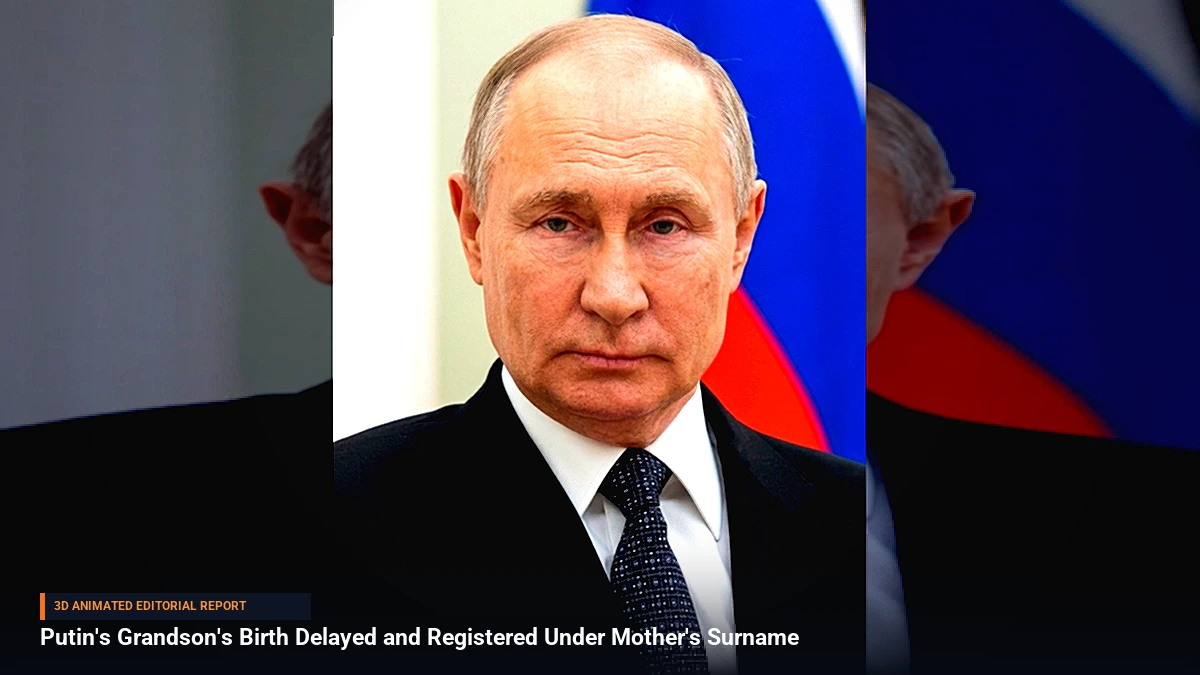
The contemporary geopolitical landscape is undergoing rapid, high-stakes realignment. Recent developments highlight a convergence of major power dynamics, marked by upcoming unprecedented diplomatic summits and rising regional tensions. Notably, the White House announced that Donald Trump will participate in a first-ever joint trilateral meeting with Chinese President Xi Jinping and Russian President Vladimir Putin on the sidelines of the APEC summit in China.
Simultaneously, External Affairs Minister S. Jaishankar delivered a stark assessment of global realities at the HT Leadership Summit. He described the evolving world order as fundamentally multipolar, transactional, and unstable, pointing out that the border with China has become increasingly "more alive." In parallel, Beijing has intensified its territorial assertions, with President Xi Jinping reiterating his hardline stance on Taiwan during a domestic push for reunification, emphasizing that there is "no room for Taiwan independence."
Background & Key Context
These diplomatic friction points occur against a backdrop of prolonged strategic competition. The India-China frontier has remained a focal point of intense military deployment and surveillance since the 2020 Galwan Valley clash, altering bilateral relations permanently. Jaishankar's commentary reflects India's cautious, national-interest-driven navigating of a turbulent global economy where technological decoupling, artificial intelligence, and supply chain resilience dictate foreign policy.
Meanwhile, US-China-Russia dynamics have entered a volatile phase defined by trade disputes, technology controls, and security competition. The planned trilateral meeting represents a significant pivot in international diplomacy, focusing heavily on critical global issues such as nuclear non-proliferation and strategic stability. On a separate diplomatic front, India firmly rebuked the US Commission on International Religious Freedom (USCIRF) over its commentary concerning jailed activist Sharjeel Imam, telling the body to "introspect on your own prejudices" rather than interfering in internal legal matters.
Key Takeaways
- Trilateral Breakthrough: The White House confirmed a historic first joint meeting between Donald Trump, Xi Jinping, and Vladimir Putin during the APEC summit.
- Evolving World Order: S. Jaishankar characterized the emerging global framework as multipolar, highly transactional, and fundamentally unstable.
- Indo-China Border Realities: India views its northern border as "more alive," necessitating a robust defense posture and an uncompromising lens centered purely on national interest.
- Taiwan Stance Unyielding: Xi Jinping has doubled down on reunification efforts, explicitly stating that historical trajectories leave no room for Taiwanese independence.
- Sovereignty Pushback: New Delhi sharply criticized the USCIRF over its statements regarding domestic legal proceedings involving activist Sharjeel Imam.
Impact, Analysis & Global/National Reactions
Strategic analysts note that the announcement of a Trump-Xi-Putin sit-down could radically alter diplomatic calculations across Europe and Asia. While Western capitals monitor the trilateral engagement for breakthroughs on arms control and regional conflicts, middle powers like India are recalibrating their foreign policies to withstand transactional pressures.
India's official messaging emphasizes pragmatic independence. By stating that the nation evaluates partnerships through the strict lens of its own national interest, New Delhi continues to balance its multi-aligned foreign policy framework. Meanwhile, diplomatic spats with international oversight bodies like the USCIRF demonstrate India's growing intolerance for external commentary on its internal judicial and security operations.
What's Next: Looking Ahead
All eyes will be on the upcoming APEC summit in China to see whether the proposed Trump-Xi-Putin trilateral meeting yields concrete agreements on nuclear non-proliferation or merely serves as a platform for posturing. For regional players, monitoring tactical shifts along the Line of Actual Control (LAC) and tracking Beijing's maritime and cross-strait policies will remain paramount as the global order continues its turbulent transition.



Be the first to comment
Start a useful conversation around this story.