
What Happened: The Core Developments
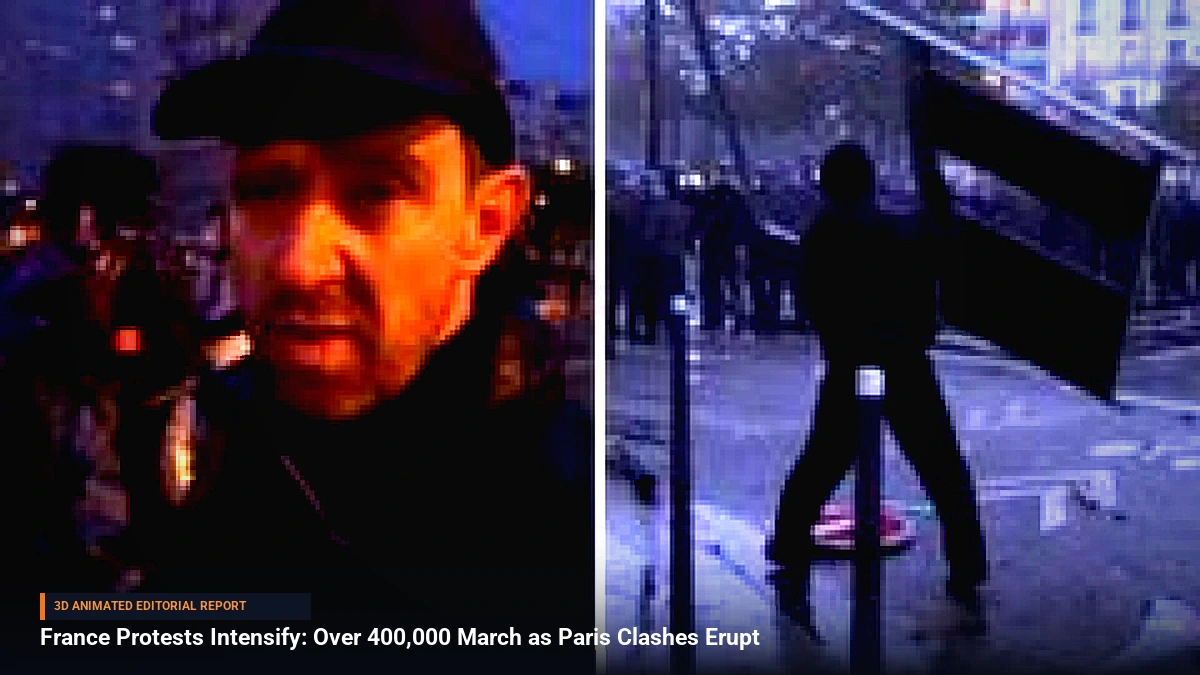
France has plunged into a severe wave of national unrest as hundreds of thousands of citizens took to the streets to protest surging living costs, educational policies, and policing methods. The demonstrations quickly escalated into violent clashes with law enforcement across multiple major cities.
In response to the widespread violence, looting, and attacks on public buildings, the French government mobilized an immense security apparatus, deploying 70,000 police officers nationwide. Despite the heavy security presence, authorities reported nearly 1,000 arrests following intense street battles.
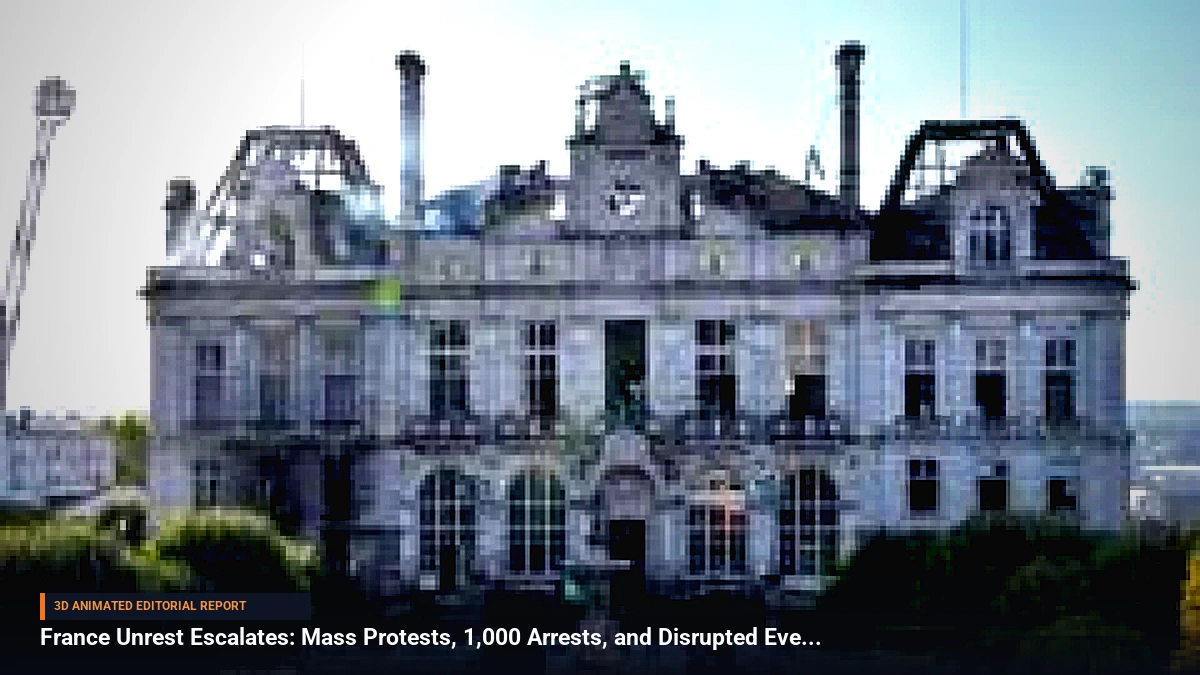
The collateral damage of the unrest extended far beyond urban street corners. Public infrastructure has borne the brunt of the frustration, most notably in Limoges, where the historic city hall suffered catastrophic destruction and a devastating fire during the riots. Local communities remain deeply divided over whether the physical devastation represents an unacceptable breakdown of civic order or an inevitable symptom of systemic socio-economic grievances.
Background & Key Context
The current wave of civil disobedience builds upon months of mounting economic pressures, inflation, and public dissatisfaction with governance. Observers and political analysts have increasingly pointed to the unrest as a critical stress test for the current political establishment, with some describing the atmosphere as indicative of deeper fractures in the French social contract.
Authorities had previously signaled a zero-tolerance approach to prevent recurring episodes of burned vehicles and structural looting. However, the sheer scale of the mobilization suggests that underlying economic anxieties continue to override state containment strategies, drawing diverse segments of the population into ongoing resistance.
Key Takeaways
- Massive Security Deployment: The French Ministry of the Interior deployed 70,000 law enforcement officers to secure cities and critical infrastructure.
- Significant Detentions: Nearly 1,000 individuals have been arrested amid escalating street clashes and property destruction.
- Infrastructure Damage: Iconic municipal structures, including the Limoges city hall, suffered severe fire and structural damage during the riots.
- Cultural and Sporting Disruption: High-profile public events have been upended, including the postponement of a Paris Saint-Germain (PSG) football match following direct police requests.
- Socio-Economic Triggers: The protests are fundamentally driven by public anger over rising living costs, education, and government policing frameworks.
Impact, Analysis & Global/National Reactions
The cascading effects of the protests have directly bled into France's cultural and athletic calendars. Security concerns prompted authorities to request the postponement of a high-profile Paris Saint-Germain football fixture, altering travel plans and schedules for athletes and fans alike—including repercussions for international events like the Ballon d'Or activities.
Economists and civic leaders are increasingly worried about the long-term impact on domestic stability and business confidence. While government officials maintain that protecting public order is paramount, civil rights groups and demonstrators argue that state responses fail to address the core economic hardships squeezing working-class families.
What's Next: Looking Ahead
As France braces for further potential demonstrations, the immediate focus remains on stabilizing municipal administration and repairing damaged public properties. Law enforcement agencies are expected to maintain a heightened security posture through upcoming weekends, while political leaders face mounting pressure to open meaningful dialogues addressing the cost-of-living crisis before further civil disruptions paralyze the nation.


Be the first to comment
Start a useful conversation around this story.