
What Happened: The Core Developments
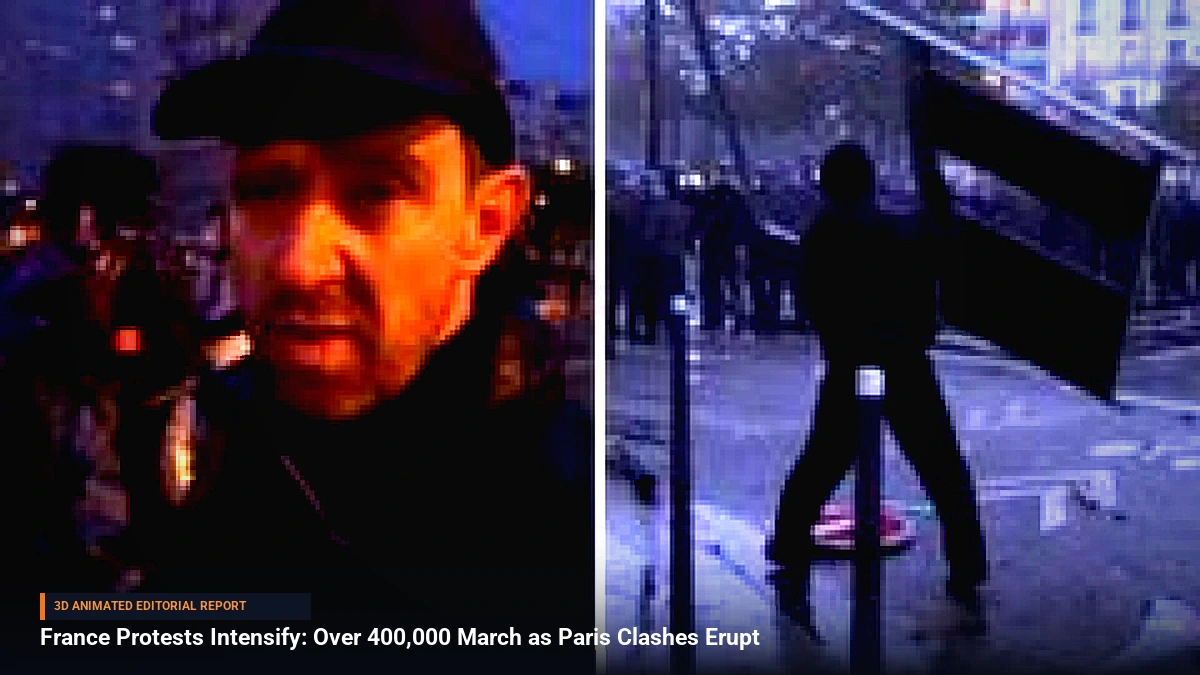
Tensions reached a fever pitch across France as an estimated 400,000 citizens took to the streets in a sweeping wave of nationwide demonstrations. The capital city of Paris became a major focal point of the mobilization, drawing over 100,000 protesters into its historic avenues.
While daytime gatherings maintained a largely orderly and peaceful demeanor, the atmosphere shifted dramatically following nightfall. Pockets of unrest emerged, prompting an assertive response from law enforcement agencies. French security forces deployed heavy crowd-control munitions, including tear gas and water cannons, alongside direct police charges to disperse crowds and regain control of urban thoroughfares.
Background & Key Context
France has a long-standing tradition of utilizing public demonstrations as a primary mechanism for political and social expression. However, the scale of the current mobilization highlights a deepening chasm between the populace and the government. These intensifying protests reflect mounting civil discontent, building upon a historical backdrop of contentious structural reforms, economic pressures, and widespread debates over national governance under the administration of President Emmanuel Macron.
Law enforcement agencies have faced escalating pressure to balance the constitutional right to peaceful assembly with the imperative to maintain public order. The transition from peaceful daytime marches to nighttime confrontations underscores an increasingly volatile socio-political climate within major French urban centers.
Key Takeaways
- Massive Turnout: More than 400,000 people participated in demonstrations across France.
- Parisian Epicenter: Over 100,000 protesters converged on the streets of Paris, making it the primary site of mobilization.
- Tactical Shift: Law enforcement transitioned from managing peaceful daytime demonstrations to deploying aggressive crowd-control measures after dark.
- Heavy Policing: French police utilized tear gas, water cannons, and physical charges to manage escalating nighttime unrest.
- Persistent Unrest: The demonstrations illustrate deep-seated national friction that continues to test the administration's policy resilience.
Impact, Analysis & Global/National Reactions
The sudden escalation in street-level friction has sent ripples through the political establishment, signaling severe challenges for institutional stability. Analysts note that the shift from broad, peaceful civic participation to nocturnal clashes points to a radicalization of fringe elements or an exhaustion of patience among mainstream citizenry.
While civil rights advocates raise concerns regarding the proportionality of police interventions—notably the deployment of water cannons and tear gas in densely populated urban zones—government officials emphasize the necessity of safeguarding public infrastructure and maintaining order against violent provocateurs.
What's Next: Looking Ahead
As the dust settles from the latest wave of demonstrations, all eyes turn toward the government's official response and potential legislative adjustments. Stakeholders across labor unions, political parties, and civil society groups are weighing their next moves. Observers anticipate further announcements from union leaders regarding future strike dates, while security forces review contingency plans to manage potential ongoing unrest in the weeks ahead.


Be the first to comment
Start a useful conversation around this story.