

What Happened: The Core Developments
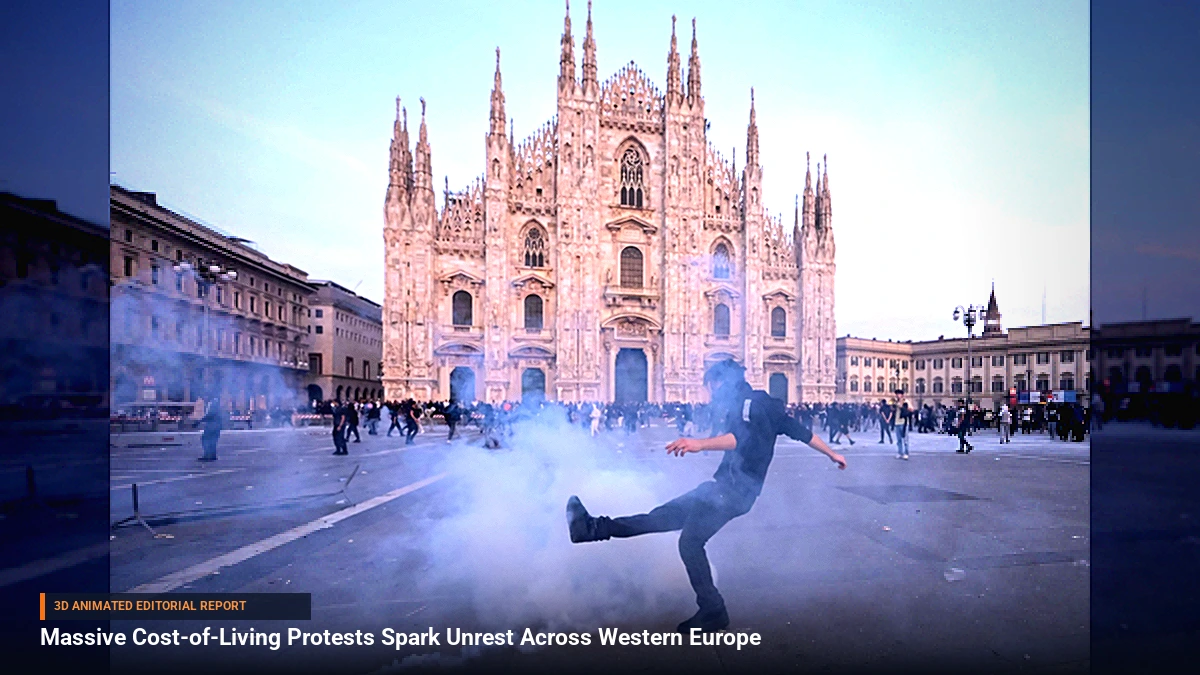
France has plunged into a severe wave of civil unrest, with approximately 500,000 demonstrators mobilizing across major urban centers. The protests, driven by acute economic pressures and soaring living costs, have triggered dramatic confrontations between demonstrators and law enforcement. High-end retail locations, including flagship Hermès and Apple stores, were explicitly targeted and looted by disruptive elements within the crowds.
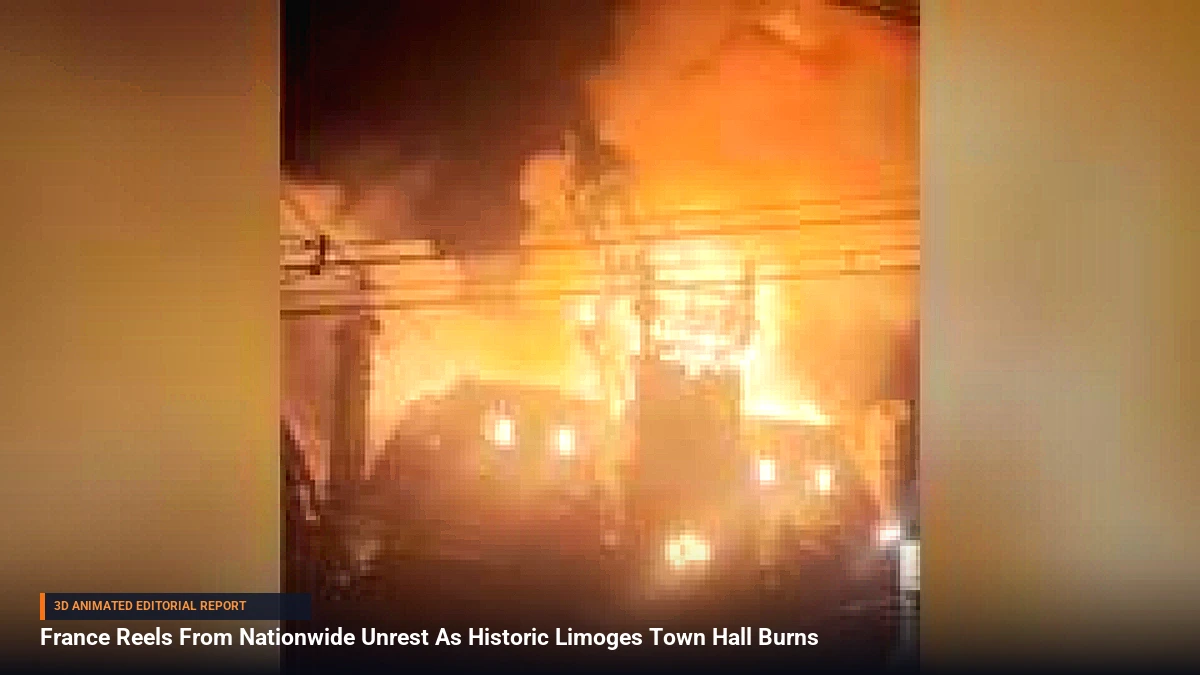
Adding to the gravity of the domestic crisis, critical civic infrastructure has sustained heavy damage. Notably, the historic Limoges Town Hall—a municipal structure that famously survived the upheavals of World Wars—was completely destroyed during violent clashes. The scale of the mobilization underscores deep-seated public frustration over economic austerity and declining household purchasing power.
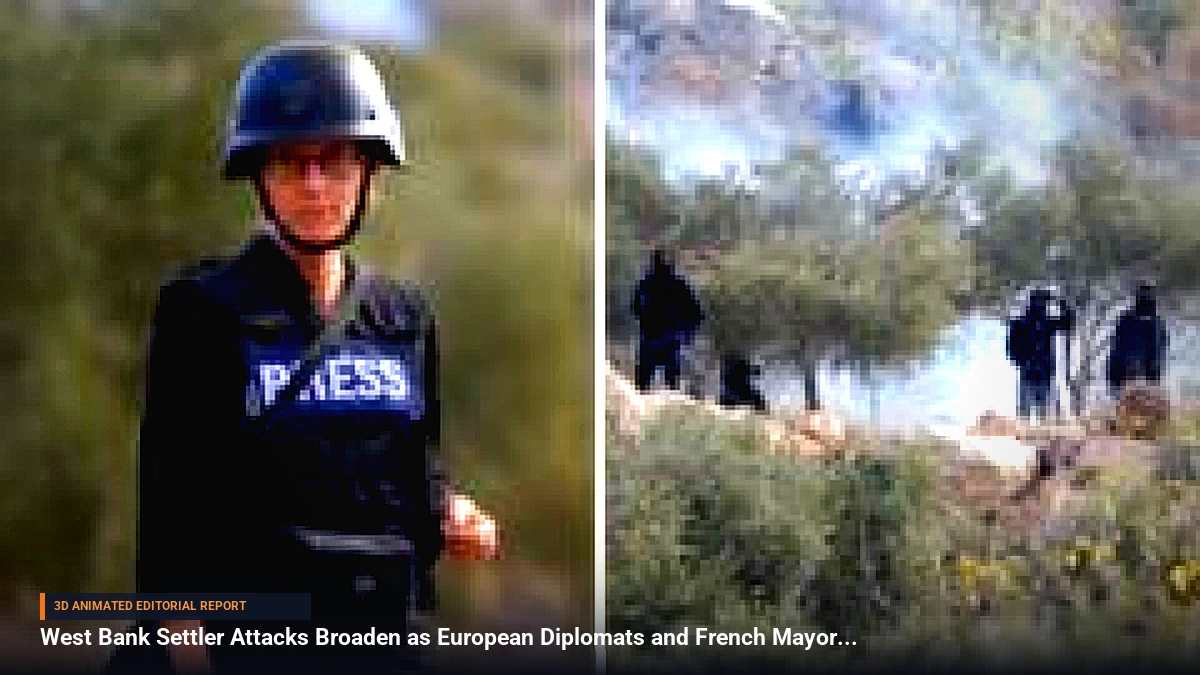
Concurrently, French diplomacy found itself entangled in a tense international confrontation in the Middle East. European diplomats and a visiting French mayor were reportedly assaulted by Israeli settlers in the West Bank. The incident has drawn sharp rebukes from Paris, which is demanding decisive action against what it terms "criminal violence."
Background & Key Context
The current domestic crisis in France represents a potent convergence of historical grievance models. The demonstrations have united a diverse coalition consisting of university students, traditional labor unions, and remnants of the "yellow vest" (gilets jaunes) movement that previously paralyzed parts of the country years prior. This broad-based alignment highlights a shared discontent over persistent inflation, energy price spikes, and wage stagnation.
On the international front, the West Bank incident exacerbates long-standing tensions surrounding settler violence and diplomatic protections in the Palestinian territories. While European authorities and French officials have strongly condemned the assault on their representatives, Israeli leadership has pushed back. Prime Minister Benjamin Netanyahu publicly stated that there was no compelling evidence linking the accused settlers to a targeted attack on the diplomats and the French mayor, creating a notable diplomatic stalemate.
Key Takeaways
- Mass Mobilization: Approximately 500,000 protesters flooded French streets in a coordinated display of economic anger.
- Targeted Destruction: High-end retailers such as Hermès and Apple stores faced looting, while the historic Limoges Town Hall was destroyed.
- Broad Coalition: The unrest brings together students, labor unions, and yellow vest supporters united by soaring living costs.
- Diplomatic Friction: An attack on European diplomats and a French mayor in the West Bank by Israeli settlers has triggered sharp demands for accountability from Paris.
- Contested Narratives: Israeli Prime Minister Benjamin Netanyahu countered European claims by stating there was no compelling evidence regarding the West Bank assault.
Impact, Analysis & Global/National Reactions
The dual crises—internal economic rebellion and external diplomatic friction—have placed immense pressure on French authorities. Economists and political analysts note that the scale of the domestic protests reflects a broader European malaise regarding inflation and post-pandemic economic adjustments. The targeting of luxury flagships like Hermès and Apple signals an escalation in symbolic class-based dissent, moving away from standard picket lines toward direct economic disruption.
Internationally, the West Bank altercation has tested bilateral relations between Israel and key European Union member states. France's insistence on legal recourse for the attacked mayor and diplomats places Paris at the forefront of European calls for accountability regarding settler activities. Meanwhile, Israeli officials maintain a defensive posture, questioning the evidentiary basis of the foreign allegations.
What's Next: Looking Ahead
As French authorities grapple with restoring order, the immediate future will depend on the government's willingness to address the underlying economic grievances driving the unions and student coalitions. Further demonstrations remain a distinct possibility unless concrete fiscal relief measures are introduced.
Externally, diplomatic channels between Paris, Brussels, and Jerusalem will likely experience sustained strain as European nations press for investigations into the West Bank incident. The coming weeks will reveal whether international pressure forces a shift in accountability frameworks or deepens the diplomatic rift between Israel and its European partners.

Be the first to comment
Start a useful conversation around this story.