
What Happened: The Core Developments
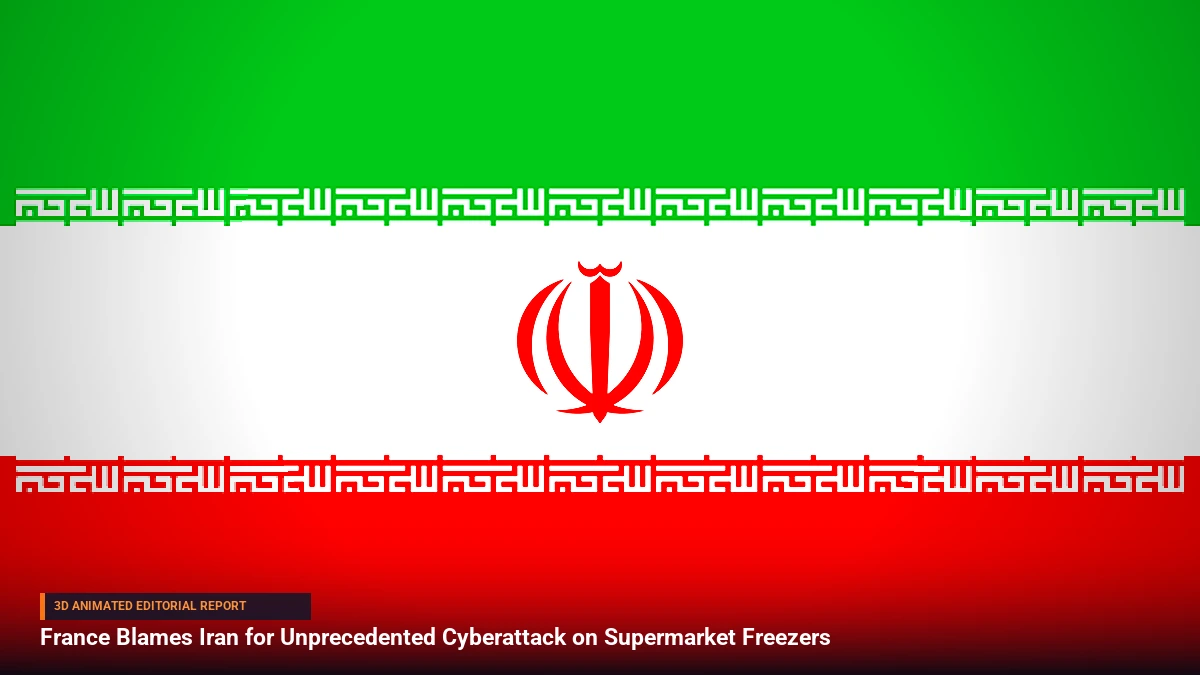
French authorities have officially assigned blame to Iran for a sophisticated and destructive cyberattack that targeted supermarket freezers and commercial chiller cabinets nationwide. The intrusion compromised digital thermostats, forcibly escalating internal temperatures to over 50 degrees Celsius (122 degrees Fahrenheit). French Foreign Minister Jean-Noël Barrot publicly condemned the incident, categorizing it as an act of "unprecedented scale and unprecedented aggression" that directly undermines the nation's critical infrastructure and food supply chain security.
The sophisticated nature of the attack caught commercial operators off guard, highlighting the vulnerable underbelly of interconnected operational technology. By seizing remote control of cooling units, the perpetrators sought to cause maximal disruption, spoiling perishable goods and presenting potential biohazard risks through rapid temperature manipulation.
Background & Key Context
As modern commercial enterprises increasingly adopt Internet of Things (IoT) devices to streamline energy consumption and inventory management, they simultaneously expand their digital attack surface. Commercial refrigeration units, previously isolated mechanical systems, are now routinely hooked up to centralized cloud networks and digital thermostats for remote monitoring and efficiency optimization.
State-sponsored threat actors have increasingly turned their attention toward soft targets within Western civilian infrastructure, moving beyond traditional government and financial databases. This incident underscores a worrisome trend where geopolitical disputes manifest as asymmetric cyber warfare targeting everyday commercial commodities and domestic conveniences.
Key Takeaways
- Direct Accusation: France has explicitly blamed Iranian state actors for orchestrating the cyberattack on domestic supermarket refrigeration.
- Physical Sabotage via Digital Means: The intrusion manipulated digital thermostats, pushing internal freezer temperatures above 50 degrees Celsius.
- Diplomatic Retaliation: French leadership has vowed to champion robust, Europe-wide sanctions against individuals and entities linked to the operation.
- Critical Infrastructure Warning: Security analysts note the incident marks a dangerous escalation in weaponizing commercial IoT devices for physical disruption.
Impact, Analysis & Global/National Reactions
Government officials and cybersecurity experts view the French supermarket hacks as a watershed moment for commercial safety standards. French leadership characterized the breach not merely as corporate vandalism, but as a major violation of national interests that demands a unified international response.
Speaking on the diplomatic front, Foreign Minister Barrot emphasized that Europe cannot allow such aggressive acts to pass without severe consequences. Plans are already underway within European Union diplomatic channels to draft targeted sanctions aimed at restricting the capabilities and assets of those implicated in the breach. Industry stakeholders are also re-evaluating their cybersecurity postures, emphasizing the urgent need to decouple critical environmental controls from vulnerable external networks.
What's Next: Looking Ahead
In the wake of the attacks, European policymakers are expected to accelerate regulatory frameworks governing IoT cybersecurity standards for commercial enterprises. Companies operating large-scale retail and cold-chain logistics across the continent are conducting immediate audits of their digital infrastructure, focusing heavily on endpoint security, multi-factor authentication, and network segmentation.
Diplomatically, the coming weeks will likely see formal EU-level deliberations regarding the structure and severity of the promised sanctions against Tehran, setting a legal and political precedent for how Western nations deter and respond to hybrid cyber-physical warfare.




Be the first to comment
Start a useful conversation around this story.