
What Happened: The Core Developments
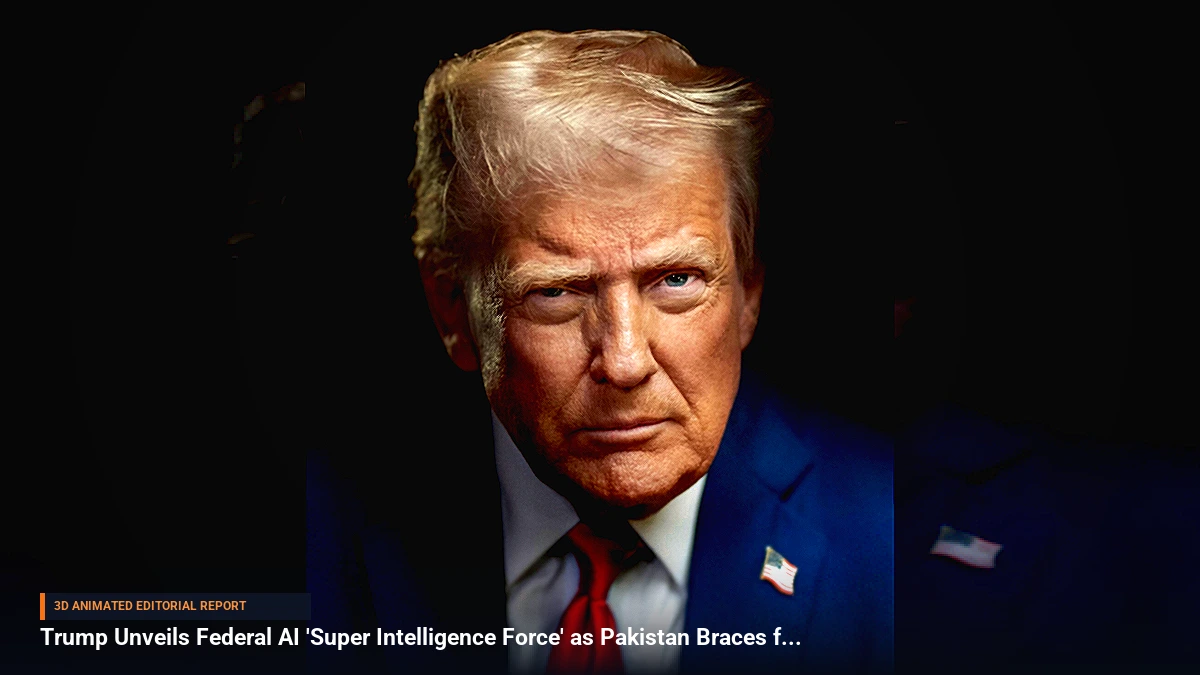
The geopolitical landscape has shifted dramatically on multiple fronts, highlighted by major structural policy announcements in Washington and escalating domestic turmoil in South Asia. In the United States, leadership has officially established a dedicated federal artificial intelligence initiative known as the "Super Intelligence Force" or White House AI Task Force. Concurrently, international observers are closely monitoring a major political escalation in Pakistan, where diplomatic negotiations between the ruling government and incarcerated former Prime Minister Imran Khan’s Pakistan Tehreek-e-Insaf (PTI) party completely broke down.
The collapse of political dialogue in Pakistan immediately precipitated a high-stakes standoff, with PTI leadership restarting its long-anticipated protest march toward the federal capital of Islamabad. These parallel developments underscore a period of intense global transformation, balancing technological acceleration against profound political instability.
Background & Key Context
The launch of the White House AI Task Force marks a pivotal pivot in national technology policy. Framed by administration officials as an initiative potentially outstripping the historical significance of the industrial revolution, the new task force aims to secure and cement American technological hegemony in an increasingly competitive global AI race. To head this formidable mandate, leadership has appointed Jay Clayton, signaling a firm administrative grip on regulatory and strategic technological oversight designed to preempt bureaucratic gridlock and prevent what proponents describe as excessive federal overregulation.
Meanwhile, the brewing crisis in Pakistan represents the latest chapter in persistent, protracted civil-political friction. Following months of legal battles, detentions, and fragmented negotiations over governance and electoral legitimacy, talks between state authorities and PTI representatives hit an absolute impasse. With compromise off the table, the party mobilized its support base to resume street agitation, setting the stage for potential civil unrest.
Key Takeaways
- New Federal AI Body: The formation of the "Super Intelligence Force" aims to spearhead US innovation and maintain global artificial intelligence dominance.
- Leadership Appointment: Jay Clayton has been officially named to direct the newly minted White House AI task force.
- Deregulation Focus: Industry stakeholders and policy watchers anticipate that the task force will champion streamlined frameworks to protect against overregulation.
- South Asian Escalation: Political dialogue between Pakistan's government and Imran Khan's PTI party has officially collapsed.
- Resumed Marches: PTI has restarted its coordinated long march toward Islamabad, elevating security concerns across the region.
Impact, Analysis & Global/National Reactions
The establishment of the White House AI Task Force has generated significant commentary across tech industry leaders, financial markets, and global policy circles. Proponents of the initiative argue that a centralized, high-level task force is desperately needed to counter aggressive foreign advancements in machine learning and automated systems. Tech sector executives have privately and publicly welcomed leadership that prioritizes competitive acceleration over restrictive compliance burdens.
Conversely, the unfolding crisis in Pakistan carries profound implications for regional stability, economic security, and internal governance. Independent analysts warn that renewed street-level confrontation could prompt severe security crackdowns, compounding economic strains in the developing nation. International observers continue to urge restraint, emphasizing that democratic dialogue remains the only viable path forward amidst mounting polarization.
What's Next: Looking Ahead
As the newly formed US AI task force begins drafting its foundational agenda under Jay Clayton's leadership, stakeholders will closely evaluate its initial policy memos, regulatory recommendations, and membership roster to gauge its true impact on commercial tech development.
In Pakistan, all immediate attention remains fixed on the unfolding Islamabad march. Security forces and PTI organizers are on a collision course, and the coming days will likely determine whether the state opts for containment, negotiation, or escalated enforcement, setting a critical precedent for the country's immediate political trajectory.
Be the first to comment
Start a useful conversation around this story.