
What Happened: The Core Developments
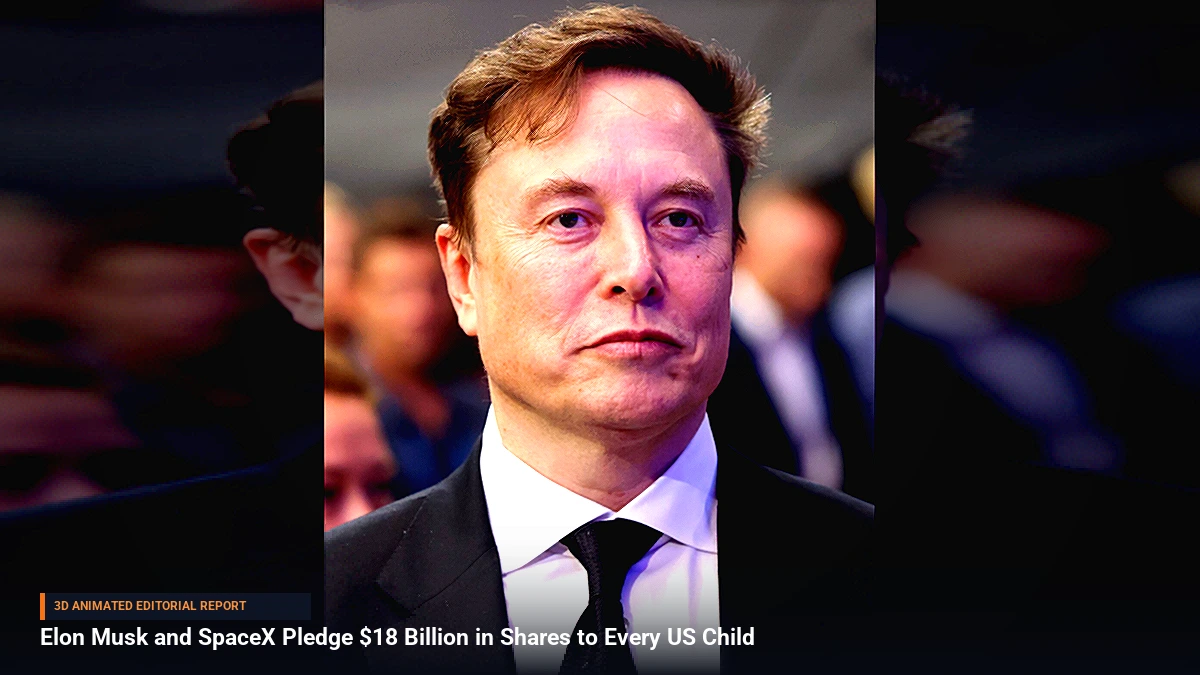
Billionaire entrepreneur Elon Musk and aerospace manufacturer SpaceX have announced a massive wealth-distribution pledge aimed at American youth. Under the initiative, every child in the United States stands to receive a total of two SpaceX shares.
The mechanics of the distribution are split evenly between the private entity and its founder. According to project disclosures, each eligible child will receive one share directly from SpaceX and an additional share from Elon Musk personally. Financial analysts and market researchers value the cumulative scope of this ambitious pledge at approximately $18 billion.
The announcement instantly drew global attention, positioning itself as one of the largest private corporate wealth-sharing pledges directed at minors in modern economic history. While exact mechanisms regarding the regulatory framework for holding private equity on behalf of minors are still emerging, the commitment has set off intense discussions across financial and political circles.
Background & Key Context
This high-stakes financial move does not occur in a vacuum. The timing follows closely on the heels of reports highlighting structural and participation challenges facing newly established savings and investment vehicles, notably the inactivity surrounding previously funded Trump Accounts.
Earlier disclosures—such as those noted by tech leader Michael Dell regarding high rates of unclaimed or dormant accounts—drew attention to the friction points in getting target demographics to actively engage with newly minted financial instruments. By tying this massive equity injection to active accounts or creating direct channels for distribution, the SpaceX and Musk pledge attempts to bypass traditional adoption hurdles, injecting tangible value directly into the hands of the next generation.
Key Takeaways
- Massive Financial Scope: The combined pledge from SpaceX and Elon Musk carries an estimated total valuation of $18 billion.
- Dual Distribution Model: Children in the US will receive one share originating from corporate allocations at SpaceX and a second share gifted personally by Elon Musk.
- Target Demographic: The initiative encompasses every eligible child throughout the United States.
- Strategic Timing: The announcement follows recent public scrutiny over the high percentage of inactive or unclaimed Trump Accounts funded by prominent figures.
- Uncharted Mechanics: Regulatory, legal, and custodial frameworks for holding private aerospace shares for minors remain key areas of ongoing observation.
Impact, Analysis & Global/National Reactions
Market watchers and economists are currently parsing the long-term implications of distributing private shares of an asset-heavy, non-publicly traded juggernaut like SpaceX to millions of retail beneficiaries. Private equity experts point out that while the headline valuation of $18 billion is striking, liquidity remains a core question since SpaceX is not a publicly traded company.
At the same time, policy analysts view the move as a masterclass in corporate public relations and direct wealth engagement. Supporters argue it fosters a culture of early equity ownership and long-term investment mindset among American youth. Conversely, regulatory watchdogs emphasize the complexities of managing trust assets, securities laws for minors, and the practical execution of transferring private stock ownership on such a monumental scale.
What's Next: Looking Ahead
As stakeholders wait for formal filing disclosures and procedural guidelines, attention will turn toward how the distribution logistics are structured. Legal experts will be closely monitoring custodial account provisions, tax implications for recipients, and whether regulatory bodies will require specific exemptions or new policy frameworks to accommodate mass private equity ownership by minors.
Furthermore, market analysts will observe whether this initiative sparks a broader trend among tech oligarchs and major corporations to utilize private stock as a vehicle for large-scale public philanthropy and wealth-building initiatives.






Be the first to comment
Start a useful conversation around this story.