
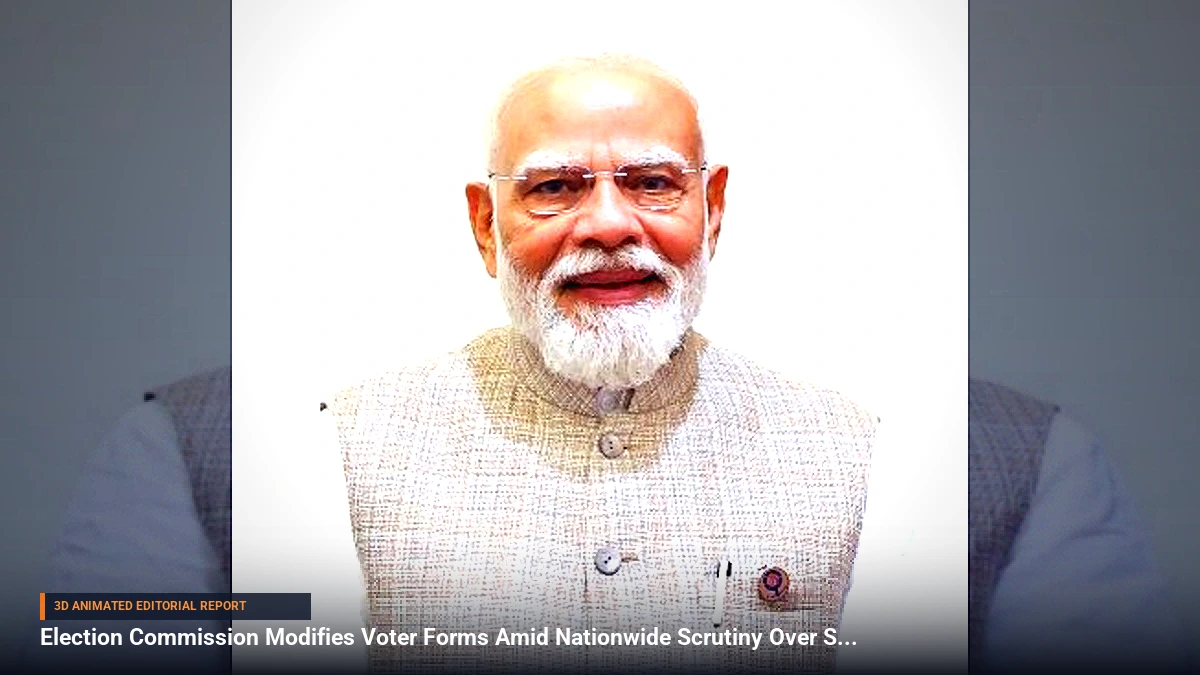
What Happened: The Core Developments
The Election Commission of India (ECI) has rolled back a newly added declaration from Form 6—the standard application form for new voter registration—specifically for states not undergoing the Special Intensive Revision (SIR). This decision follows intense internal deliberations and high-level review meetings held by the poll panel to address procedural inconsistencies, administrative pushback, and conflicting viewpoints among election commissioners regarding bureaucratic overreach in voter enrollment modifications.
Simultaneously, the poll body has had to navigate growing political fallout regarding the execution of the SIR framework. Opposition leaders have trained their sights on the verification drives, pointing to substantial deletions in draft electoral rolls. The controversy highlights the delicate balance the commission must maintain between rigorous electoral list purges and safeguarding universal franchise rights across diverse geographic and demographic landscapes.
Background & Key Context
The Special Intensive Revision process has long served as a mechanism for cleaning up electoral rolls, identifying migrated, deceased, or duplicate voters to maintain democratic integrity. However, recent rollouts have sparked fierce debates. Jurisdictions such as Andhra Pradesh and Meghalaya have witnessed schedule adjustments and timeline extensions as local election officials grapple with verification bottlenecks and hearing backlogs.
In urban centers like New Delhi, the stakes have proven equally high. High-profile political interventions—most notably by senior opposition figures visiting marginalized communities—have thrust local electoral list revisions into the national spotlight. Allegations concerning sudden name deletions and administrative hurdles faced by vulnerable populations have intensified calls for absolute transparency in how the ECI verifies residential status and updates demographic databases.
Key Takeaways
- Form Modification: The Election Commission removed a disputed additional declaration requirement from Form 6, specifically tailoring the application process for non-SIR states.
- Timeline Adjustments: The ECI extended SIR completion dates for regions including Andhra Pradesh and Meghalaya following comprehensive administrative reviews.
- High-Level Deliberations: The poll panel held multiple high-level meetings in quick succession to resolve internal friction and address disputed verification directives.
- Political Opposition: Prominent political leaders have raised alarm over mass voter deletions in draft electoral rolls during localized drives.
- Vulnerability Concerns: Civil society groups and opposition figures have highlighted transparency issues affecting marginalized and displaced urban populations.
Impact, Analysis & Global/National Reactions
The modifications to voter registration forms underline the profound sensitivity surrounding electoral documentation in a vibrant democracy. Legal experts note that any deviation in standard enrolment forms can create unintended friction for new applicants. By dropping the contested declaration for non-SIR states, the poll panel appears to have taken a corrective step to streamline bureaucratic hurdles for everyday citizens.
However, political analysts argue that institutional challenges extend far beyond paperwork. The intense scrutiny over draft roll exclusions in areas like Delhi's Bela Estate points to a trust deficit between political stakeholders and election administrators. Observers emphasize that protecting electoral rolls from fraudulent entries must be balanced rigorously against preventing the disenfranchisement of legitimate citizens, particularly those facing socioeconomic precarity.
What's Next: Looking Ahead
As the Election Commission continues to evaluate its nationwide rollout strategies, all eyes remain on upcoming administrative deadlines and institutional clarifications. Stakeholders will closely monitor how the poll panel manages discrepancies in regions undergoing active revision, as well as whether formal procedural safeguards will be established to address grievances regarding sudden voter deletions before final electoral rolls are locked in.


Be the first to comment
Start a useful conversation around this story.