
What Happened: The Core Developments
The political landscape in West Bengal has been thrown into turmoil following an interim order by the Election Commission of India (ECI). The poll panel barred both competing factions of the Trinamool Congress (TMC)—headed respectively by veteran leader Mamata Banerjee and challenger Ritabrata Banerjee—from utilizing the official party moniker and its iconic 'Flowers and Grass' election symbol for the upcoming byelections.
To ensure a level playing field and prevent administrative chaos during the localized electoral contests, the ECI allotted temporary, distinct identities to both camps. The faction loyal to Mamata Banerjee has been provisionally designated as the "Mamata All India Trinamool Congress" and assigned a football player symbol. Meanwhile, the rival group secured its own interim designation, setting the stage for an unprecedented electoral battle under fragmented banners.
Background & Key Context
Internal schisms within major regional political outfits have increasingly landed on the doorstep of India's election regulator. The dispute within the Trinamool Congress follows a familiar playbook seen in recent years with other prominent regional parties facing severe legislative and organizational fractures. As factions vie for legitimacy, control of the foundational party machinery, and legacy symbols, the ECI is frequently forced to step in with interim measures to preserve electoral continuity while substantive legal and organizational ownership disputes remain unresolved.
Key Takeaways
- Interim Freeze: The ECI restricted both the Mamata Banerjee and Ritabrata Banerjee factions from using the core TMC name and 'Flowers and Grass' symbol.
- Temporary Allotments: The Mamata faction was granted the provisional name "Mamata All India Trinamool Congress" alongside a football player symbol.
- Sharp Polarization: The ruling drew starkly contrasting responses, with the rebel camp welcoming the decision and the Mamata faction labeling it unlawful.
- National Echoes: Opposition leaders quickly drew parallels to previous fractures in other regional parties, intensifying debates over institutional neutrality.
Impact, Analysis & Global/National Reactions
The commission’s intervention immediately ignited a firestorm across the national political spectrum. The Mamata faction fiercely criticized the decision, arguing that freezing a long-standing party identity on the eve of elections runs contrary to established legal frameworks and undermines democratic representation. Conversely, the Ritabrata faction welcomed the directive, asserting that the commission acted appropriately to prevent the monopolization of collective party assets.
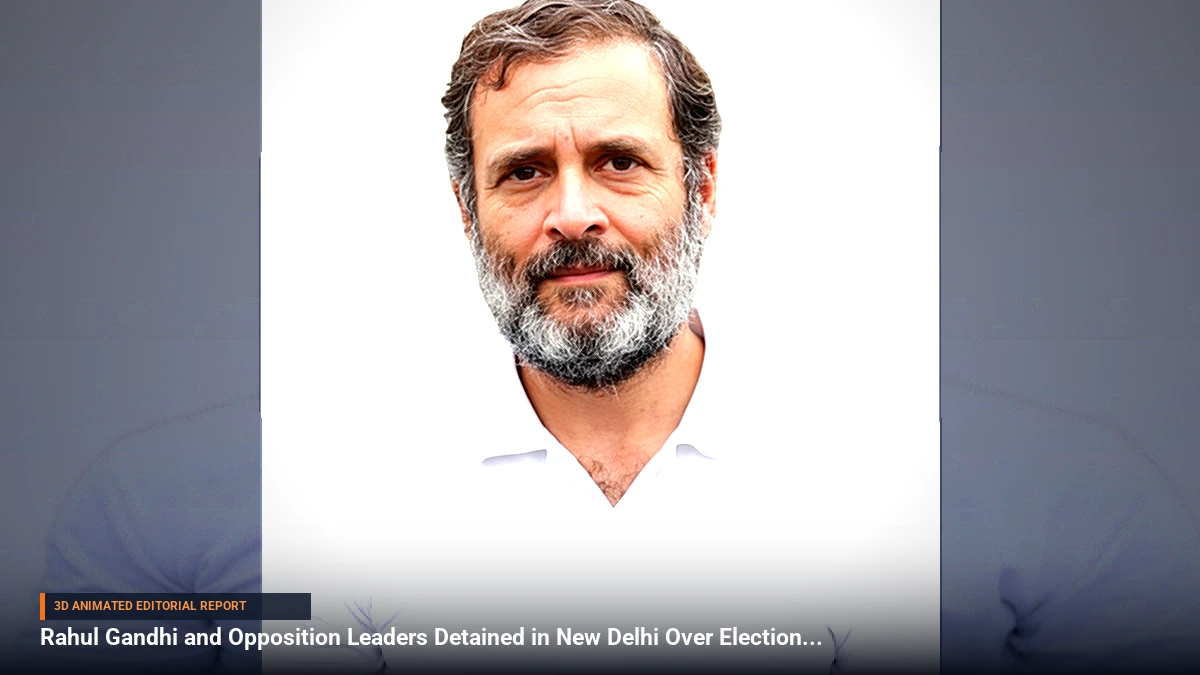
National opposition figures also weighed heavily into the controversy. Senior Congress leaders, including Rahul Gandhi, condemned the move, publicly comparing the ECI's actions to earlier, highly contested party splits involving organizations like the Shiv Sena and the Nationalist Congress Party (NCP). Critics argue that such regulatory decisions point toward a troubling pattern that destabilizes regional opposition entities.
What's Next: Looking Ahead
As the immediate byelections approach, both factions must now campaign under their newly minted temporary identities, testing their grassroots appeal without the safety net of their historical brand. Longer-term, the legal and administrative battles over the ultimate ownership of the Trinamool Congress name and original symbol are expected to grind through extensive ECI hearings and potentially higher judicial reviews, setting critical precedents for intra-party dispute resolutions in India.


Be the first to comment
Start a useful conversation around this story.