
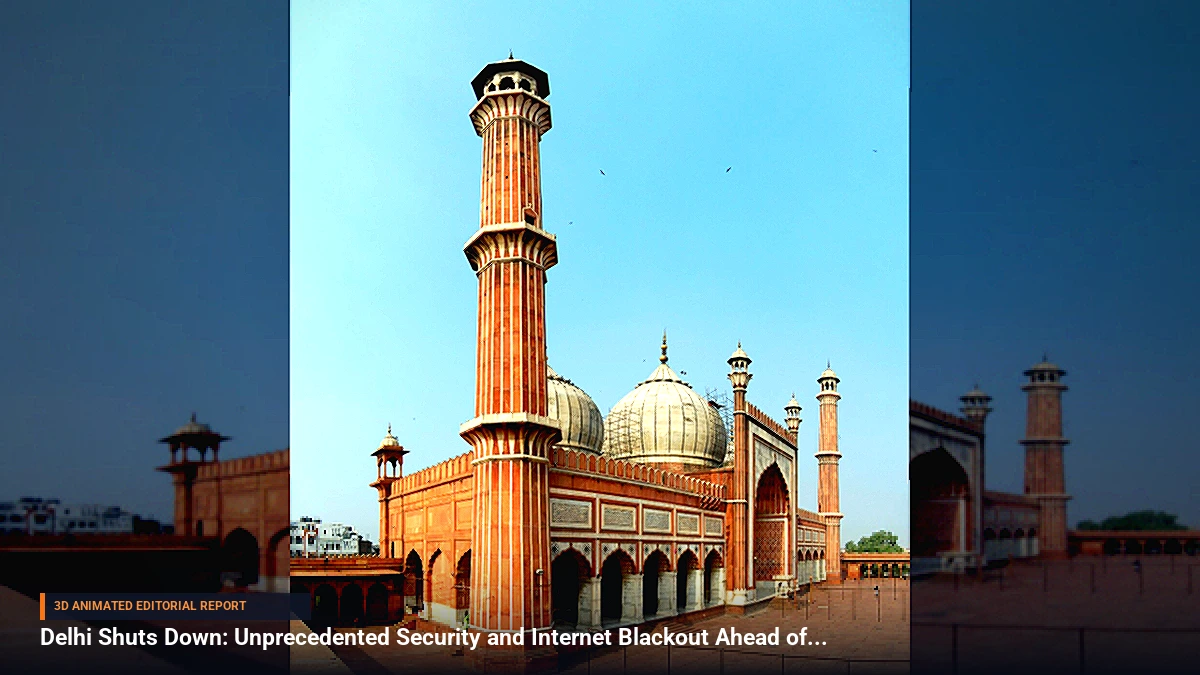
What Happened: The Core Developments
Ahead of the high-stakes demonstration organized by the CJP at Jantar Mantar, the national capital has effectively been placed under an intense security lockdown. Law enforcement agencies have executed sweeping preemptive actions designed to intercept potential demonstrators, restrict large-scale assemblies, and choke off communication channels.
As part of these extensive operations, security personnel have been actively scanning local hotels to track suspicious arrivals and monitor out-of-town guests. Concurrently, law enforcement has compiled detailed databases of potential participants, taking the unprecedented step of making direct phone calls and visiting private residences to deter individuals from joining the demonstration.
Background & Key Context
Delhi has witnessed numerous high-profile protests over the years, but the logistical response mounted for this event echoes heightened state caution regarding public demonstrations and crowd control. Authorities have increasingly relied on advanced surveillance, data profiling, and swift infrastructure shutdowns to manage civil unrest.
By leveraging comprehensive intelligence gathering and proactive disruption strategies, security forces aim to neutralize potential flashpoints before they materialize at central rallying grounds like Jantar Mantar. These tactics reflect an evolving playbook for urban security management during politically sensitive demonstrations.
Key Takeaways
- Massive Transit Disruptions: Delhi Metro announced the closure of entry and exit points at 57 stations beginning October 9 to curb unruly mob movement.
- Localized Communications Blackout: An official order mandated a strict 24-hour internet suspension directly surrounding the Jantar Mantar zone.
- Extensive Traffic Diversions: Commuters face widespread delays with traffic slated for diversion across 30 key checkpoints throughout the city.
- Proactive Surveillance: Police have systematically tracked arrivals, vetted hotel registries, and established comprehensive databases of potential protesters.
Impact, Analysis & Global/National Reactions
The stringent security protocols have drawn mixed reactions from public transit commuters, civil liberties observers, and local business owners. While authorities defend the lockdowns as necessary measures to preserve public order and safety, critics argue that sweeping internet suspensions and preemptive home visits infringe upon democratic rights to peaceful assembly and freedom of expression.
Urban mobility has taken a severe hit, stranding daily commuters and forcing widespread reliance on alternative routes. Security analysts note that the deployment of such sweeping measures highlights a growing reliance on state-level digital and physical quarantines during periods of heightened civil tension.
What's Next: Looking Ahead
As the city navigates the fallout from these extensive travel restrictions and communication blackouts, attention will turn to the legal and political accountability of these containment strategies. Civil rights groups are expected to scrutinize the legality of the mass preventive detentions and the localized internet suspension, setting the stage for future debates over the balance between national security and civic liberties in the capital.




Be the first to comment
Start a useful conversation around this story.