
What Happened: The Core Developments
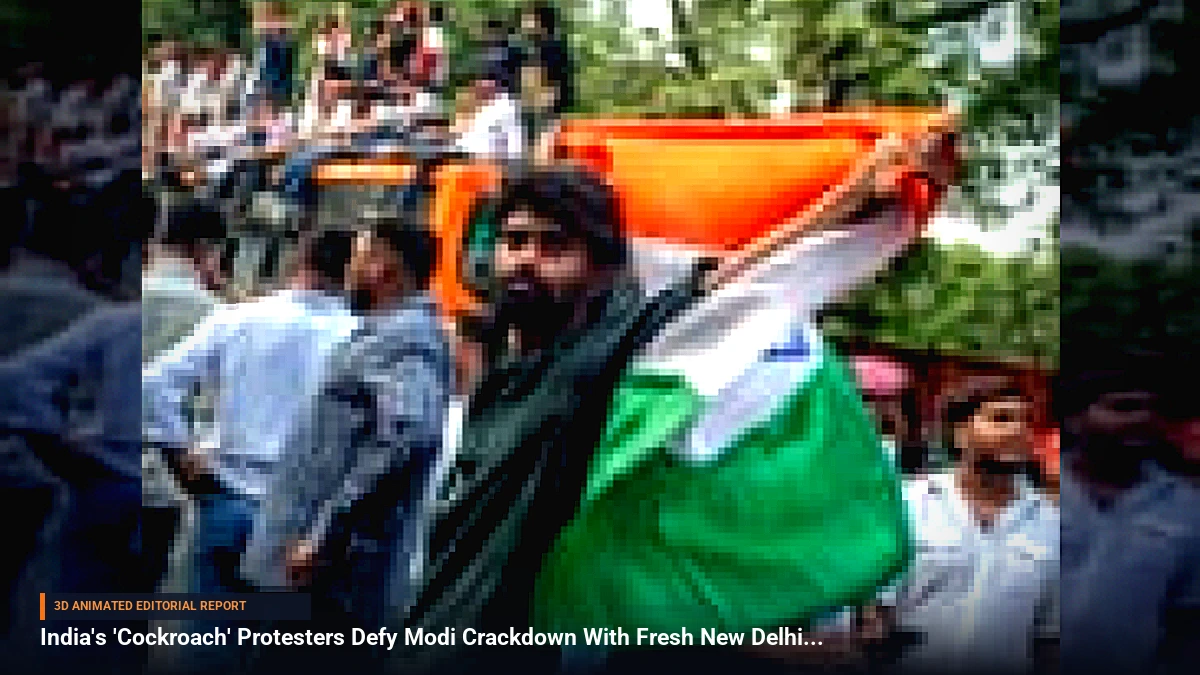
The national capital of India experienced an intense security lockdown as law enforcement agencies mobilized extensively to handle the planned CJP (Cockroach Janta Party) "Tiranga" protest. With over 32,000 security personnel placed on high alert and heavy CCTV surveillance blanketing strategic zones like Connaught Place, authorities moved swiftly to regulate public assembly. The Delhi Police permitted only a heavily vetted, select group of individuals to carry out flag-waving activities, while strongly urging the general public to stay away from the protest epicenters.
The administrative clampdown extended to municipal spaces, with the New Delhi Municipal Council (NDMC) ordering the closure of Central Park. Legal challenges followed swiftly; however, the Supreme Court declined to grant an urgent hearing on a petition contesting the park's closure, leaving enforcement protocols entirely in the hands of the local administration. Earlier, the Delhi High Court had likewise refused to issue an outright ban on founder Abhijeet Dipke's call to gather, leaving regulation and crowd control strictly to the discretion of the police force.
Background & Key Context
Friction surrounding the demonstrations traces back to mounting political and civic tensions in New Delhi. The CJP protests were initially organized to challenge police crackdowns on demonstrators voicing grievances over alleged electoral irregularities. As leaders like Dipke signaled defiance—publicly stating readiness for arrest—security planners treated the event with maximum caution, drawing parallels to previous high-intensity demonstrations that disrupted public order.
Simultaneously, the broader socio-political climate has drawn international scrutiny. Notably, a collective of Harvard University alumni stepped forward to flag an escalating, concerted campaign targeting India's democratic institutions. The signatories expressed deep concern over the unauthorized use of Harvard’s prestige and name to lend manufactured credibility to domestic political narratives amid the ongoing Delhi turmoil.
Key Takeaways
- Massive Security Footprint: More than 32,000 security personnel were deployed across Delhi to maintain law and order during the CJP-led march.
- Restricted Public Access: The NDMC shut down Central Park in Connaught Place, and police permitted only a select, authorized few to conduct flag-waving.
- Judicial Stance: Both the Supreme Court and the Delhi High Court declined to intervene dynamically against the administrative restrictions, allowing police discretion to govern the event.
- External Institutional Concerns: Harvard alumni officially flagged unauthorized efforts to use the university's brand to influence domestic political agendas.
- Parallel Criminal Incidents: Amid the civic unrest, local law enforcement successfully arrested four men linked to a violent gang-related murder in Kalindi Kunj tied to a Tihar jail rivalry.
Impact, Analysis & Global/National Reactions
The clashes between freedom of assembly and state security apparatuses have ignited fiery debates concerning the boundaries of political dissent in urban centers. Critics argue that preemptive closures and heavy-handed policing suppress legitimate expression. Conversely, security analysts maintain that stringent preventive measures are vital to avert major disruptions and potential law-and-order crises in densely populated metropolitan areas.
The intervention by Harvard alumni adds an unexpected transnational dimension, highlighting how domestic political maneuvers increasingly intersect with international academic reputations. Observers note that the unauthorized exploitation of foreign institutional identities threatens to compromise the perceived neutrality of global educational bodies.
What's Next: Looking Ahead
As the dust settles on the immediate protests, legal scrutiny is expected to intensify regarding the legality of sweeping public space closures and the detention protocols employed by law enforcement. Stakeholders will closely monitor upcoming judicial hearings that address the broader implications of preventive detentions and the enforcement of public order regulations in the capital.


Be the first to comment
Start a useful conversation around this story.