
What Happened: The Core Developments
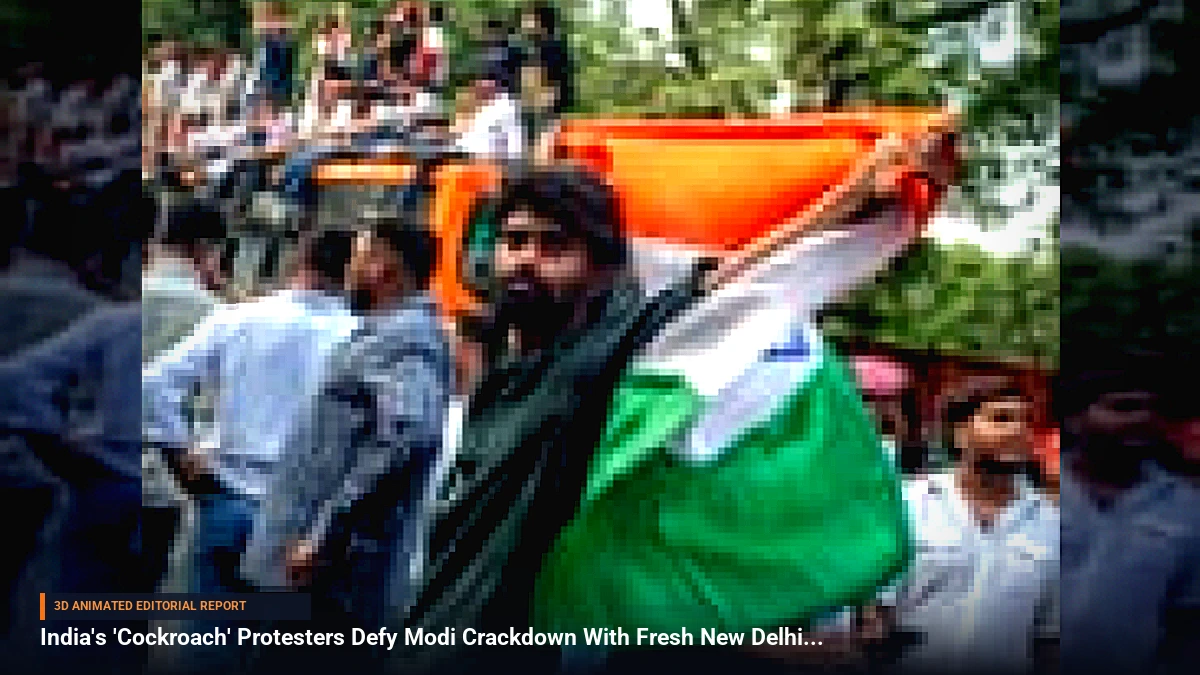
Tensions escalated in the national capital as Delhi Police detained CJP leader Abhijeet Dipke ahead of a high-profile, planned Tiranga protest. Officers visited Dipke's residence to serve formal notices advising against holding the demonstration before taking him into custody. The proactive policing measures were implemented to prevent potential disruptions to public order in key municipal zones, highlighting a growing friction between political groups seeking to stage public demonstrations and law enforcement agencies enforcing administrative restrictions.
The mobilization called for supporters to gather at Delhi's Central Park and Mumbai's Azad Maidan. The demonstrations were organized to display solidarity with jailed party leaders Ashutosh Ranka and Saurav Das, as well as to voice opposition against alleged electoral irregularities involving the Chief Election Commissioner, Gyanesh Kumar. Ahead of the march, authorities issued specific guidelines regarding the respectful display of the tricolour, emphasizing adherence to public safety standards.
Background & Key Context
The friction in the capital is part of an increasingly volatile environment surrounding public demonstrations. Alongside the CJP's planned mobilization, Delhi has witnessed separate high-stakes protests, including a demonstration led by the parents of Uttarakhand murder victim Ankita Bhandari alongside Congress leaders, which also resulted in brief detentions. These events collectively underscore a tightening posture by law enforcement agencies regarding public assemblies in sensitive zones.
The legal framework governing these protests has also drawn judicial attention. Notably, the Supreme Court of India hinted at potential financial compensation mechanisms for local traders and merchants should the CJP's protests be deemed unlawful or cause significant economic disruption to local commerce. This judicial hint signals a growing balancing act between safeguarding the constitutional right to protest and protecting commercial interests and public infrastructure.
Key Takeaways
- Preventive Detentions: Delhi Police detained CJP leader Abhijeet Dipke at his residence after serving notices advising against the Tiranga march.
- Core Demands: The protests aimed to demand the release of jailed CJP figures Ashutosh Ranka and Saurav Das, while raising concerns over alleged electoral irregularities.
- Dual-City Mobilization: Demonstrations and solidarity gatherings were planned across major public spaces, including Delhi's Central Park and Mumbai's Azad Maidan.
- Judicial Scrutiny: The Supreme Court indicated potential avenues for trader compensation if the unauthorized or disruptive protests cause measurable financial harm.
- Broader Civil Unrest: The detentions occurred amid a wave of demonstrations in the capital, including separate protests demanding justice for Ankita Bhandari.
Impact, Analysis & Global/National Reactions
The crackdown on the CJP's demonstrations has triggered fierce debates regarding the limits of free speech and political assembly. Civil liberties advocates argue that preventive detentions undermine democratic norms and the fundamental right to peaceful dissent. Conversely, security officials and municipal bodies maintain that strict regulatory oversight is necessary to preserve public safety, traffic flow, and commercial viability in densely populated urban centers.
Political reactions have been sharply divided. Opposition figures have condemned the police action, characterizing it as an authoritarian overreach aimed at stifling legitimate public grievances. Meanwhile, legal analysts are closely monitoring the Supreme Court's deliberations regarding merchant compensation, noting that any definitive ruling could establish a powerful legal precedent holding political organizers financially liable for economic disruptions caused by unauthorized mass gatherings.
What's Next: Looking Ahead
As political fallout from the detentions continues to reverberate, all eyes remain on upcoming judicial hearings regarding protest regulations and merchant compensation frameworks. Legal experts anticipate that the Supreme Court may issue clearer guidelines outlining the precise boundaries between lawful public assembly and actionable economic disruption.
At the same time, CJP leadership and supporting political factions are weighing their next strategic moves to sustain momentum for their core demands. Whether future demonstrations will adapt to stricter municipal guidelines or challenge them head-on in higher courts will likely dictate the landscape of civil disobedience and protest management in the months ahead.


Be the first to comment
Start a useful conversation around this story.