
What Happened: The Core Developments
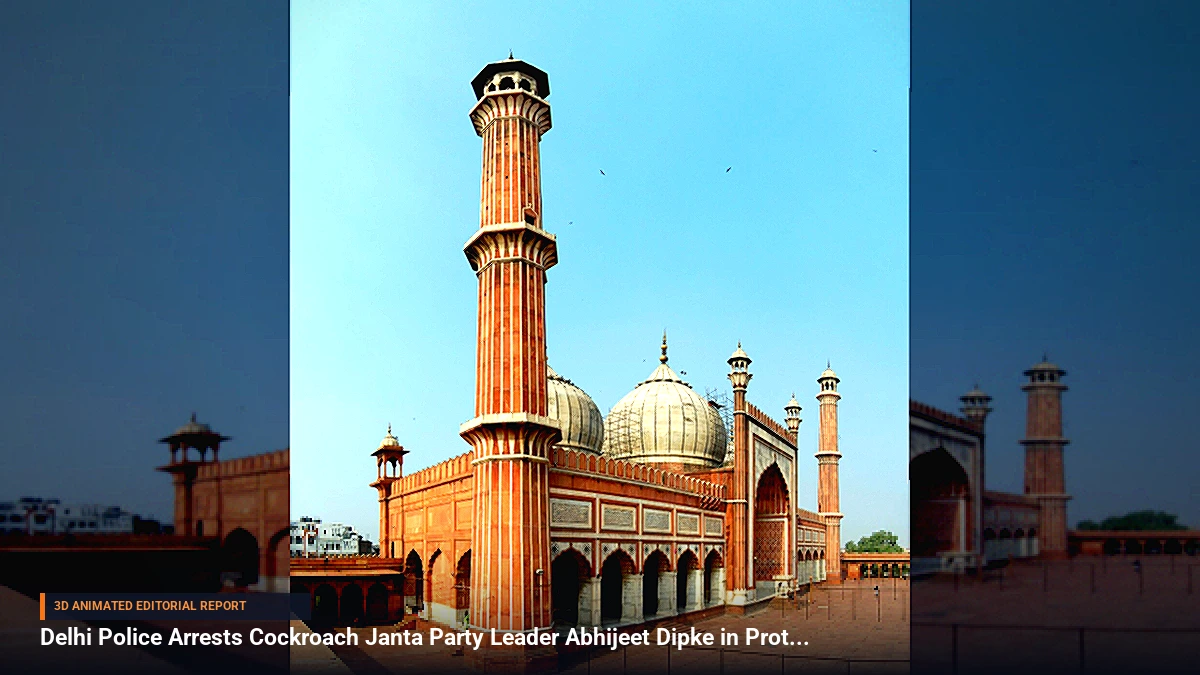
Delhi police launched a high-security crackdown in the national capital, detaining and subsequently arresting Abhijeet Dipke, the founder of the youth-led Cockroach Janta Party (CJP). The police action came ahead of a planned anti-government demonstration in central Delhi, where Dipke had called on supporters to gather and wave the Indian national flag during a planned "Tiranga march."
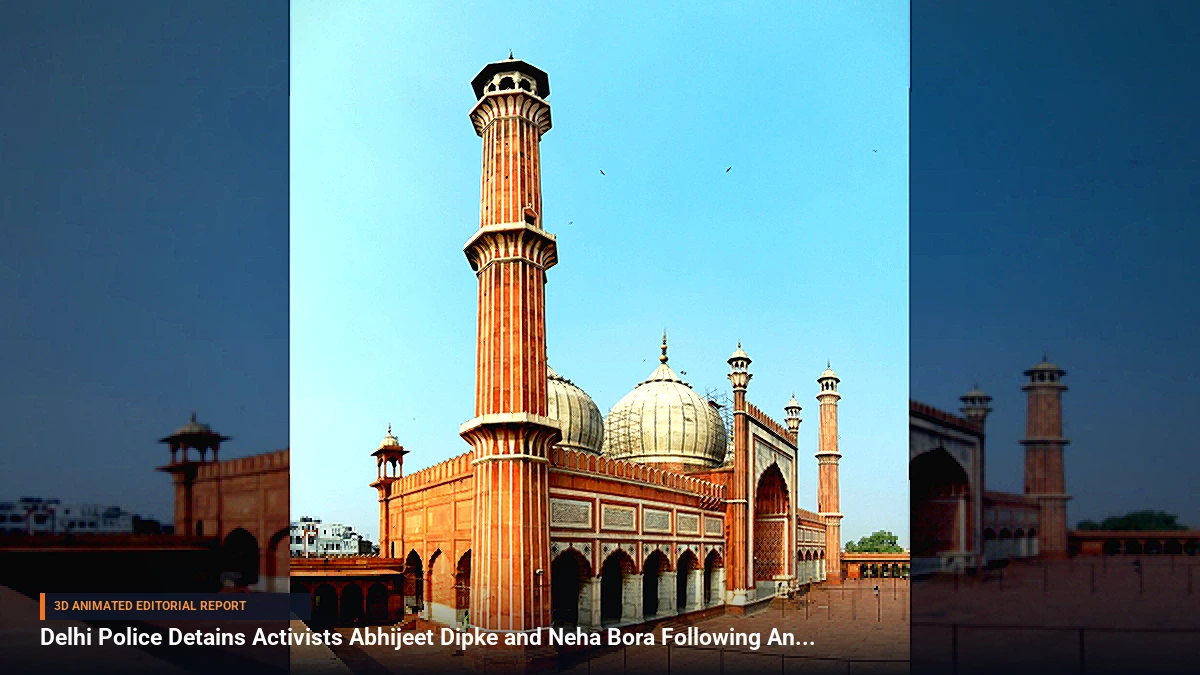
The sweeping security measures also targeted other prominent youth activists. Neha Bora, a representative of the All India Students Association (AISA), was similarly taken into custody during the operation. While Bora was subsequently released following an overnight detention and a series of undisclosed transfers, Dipke remained in custody and was slated to be produced before a magistrate or a Special Executive Magistrate (SEM) Court under provisions of the Bharatiya Nagarik Suraksha Sanhita (BNSS).
Background & Key Context
The emergence of the Cockroach Janta Party represents a growing wave of unconventional, youth-driven political movements in urban centers across India. Utilizing ironic nomenclature and grassroots mobilization strategies, groups like the CJP have increasingly challenged traditional political narratives and governance models.
However, this rise has been met with stringent state responses. Authorities have increasingly relied on preventive legal frameworks, such as the BNSS, to curb public demonstrations before they can materialize. Friday's crackdown underscores a recurring tension in urban governance, where public safety regulations and the maintenance of public order frequently clash with constitutional guarantees of free assembly and expression.
Key Takeaways
- High-Profile Arrest: CJP founder Abhijeet Dipke was detained and formally arrested by Delhi police ahead of scheduled demonstrations.
- Symbolic Protest: The planned rallies centered around a "Tiranga march," calling for supporters to publicly display the Indian national flag.
- Wider Crackdown: AISA activist Neha Bora was also caught in the sweep, enduring overnight detention before her subsequent release.
- Legal Proceedings: Dipke faces actions under the BNSS and was scheduled to appear before a magistrate or SEM Court.
- Civic Concerns: The events have triggered widespread discussion regarding the limits of preventive detention and the protection of peaceful dissent.
Impact, Analysis & Global/National Reactions
The arrest of Dipke and the temporary detention of Bora have drawn sharp criticism from opposition figures, civil rights advocates, and student organizations. Critics have questioned the legality and proportionality of detaining individuals who intend to demonstrate using patriotic symbols, with various opposition leaders remarking that "waving the Tiranga is no crime."
Legal analysts point out that the heavy-handed police response highlights a growing reliance on preventive policing tools to manage political dissent. By utilizing administrative and preventive custody provisions before any alleged offense occurs, law enforcement agencies risk chilling legitimate public discourse and restricting constitutional freedoms.
What's Next: Looking Ahead
As Abhijeet Dipke is produced before the magistrate and SEM Court, legal teams and civil liberties groups are expected to closely monitor the proceedings to challenge the validity of the preventive charges under the BNSS.
The incident is likely to galvanize youth-led political factions and opposition parties, potentially leading to further demonstrations or legal challenges regarding the boundaries of state authority, free speech, and the right to peaceful assembly in urban centers.



Be the first to comment
Start a useful conversation around this story.