
What Happened: The Core Developments
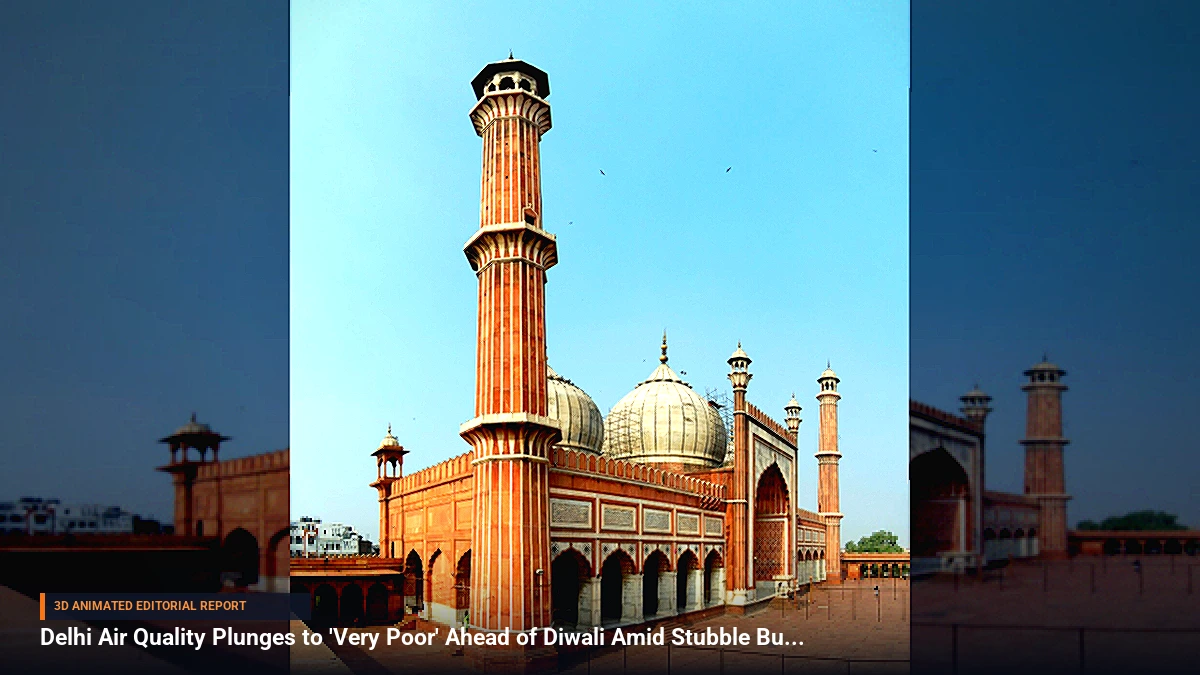
As the festival of Diwali approaches, the air quality in India's national capital has plummeted to alarming levels. Monitoring stations across Delhi registered a severe spike in pollution, pushing the Air Quality Index (AQI) up to 379, firmly placing the air in the 'very poor' category. This rapid degradation marks a concerning acceleration from readings recorded earlier in the month, where the AQI hovered at 261 and 324.
In response to worsening forecasts indicating that atmospheric conditions will remain hazardous over the coming days, local authorities have swiftly enacted the Graded Response Action Plan (GRAP) Stage 2 restrictions. These emergency measures include strict limitations on the use of fireworks, heightened monitoring of construction sites, and targeted actions to curb dust and vehicular emissions across the metropolitan area.
Background & Key Context
Delhi's annual battle with toxic winter air is a well-documented recurring crisis. Every year between late October and November, a lethal combination of falling temperatures, stagnant wind speeds, and regional agricultural practices creates a meteorological trap for pollutants.
A major catalyst for the current toxic shroud is stubble burning—the practice of farmers in neighboring agricultural states setting fire to leftover rice paddy residue after harvest. Meteorological models and scientific projections indicate that the contribution of stubble burning to Delhi's total particulate load could soon top 22%, amplifying an already heavy baseline of local vehicular and industrial pollution.
Key Takeaways
- Alarming AQI Levels: Delhi's Air Quality Index reached 379, signaling a hazardous 'very poor' environment.
- Emergency Protocols: Authorities have activated GRAP Stage 2 restrictions to mitigate further pollution spikes.
- Firework Bans: Strict prohibitions on the sale and bursting of fireworks have entered into force.
- Stubble Burning Impact: Agricultural fires in neighboring states are projected to account for over 22% of the capital's air pollution.
- Seasonal Vulnerability: The crisis underscores the enduring challenge of winter pollution surges in northern India.
Impact, Analysis & Global/National Reactions
The deterioration of Delhi's air quality poses immediate public health risks, particularly for vulnerable demographics including children, the elderly, and individuals with pre-existing respiratory or cardiovascular conditions. Medical professionals across the city have reported an uptick in outpatient visits for breathing difficulties and eye irritation.
Environmental scientists and policy analysts note that while emergency frameworks like GRAP provide critical damage control, they remain reactive stopgap measures. Critics argue that long-term mitigation requires structural shifts in agricultural incentives, enhanced public transit infrastructure, and robust interstate coordination to address the root causes of seasonal crop burning.
What's Next: Looking Ahead
With Diwali festivities imminent, enforcement agencies face immense pressure to ensure compliance with firework bans and emission controls. Municipal bodies will closely monitor meteorological data to determine whether further escalations under the GRAP framework—such as heavy vehicle bans or school closures—will be triggered if the AQI breaches severe thresholds in the coming days.



Be the first to comment
Start a useful conversation around this story.